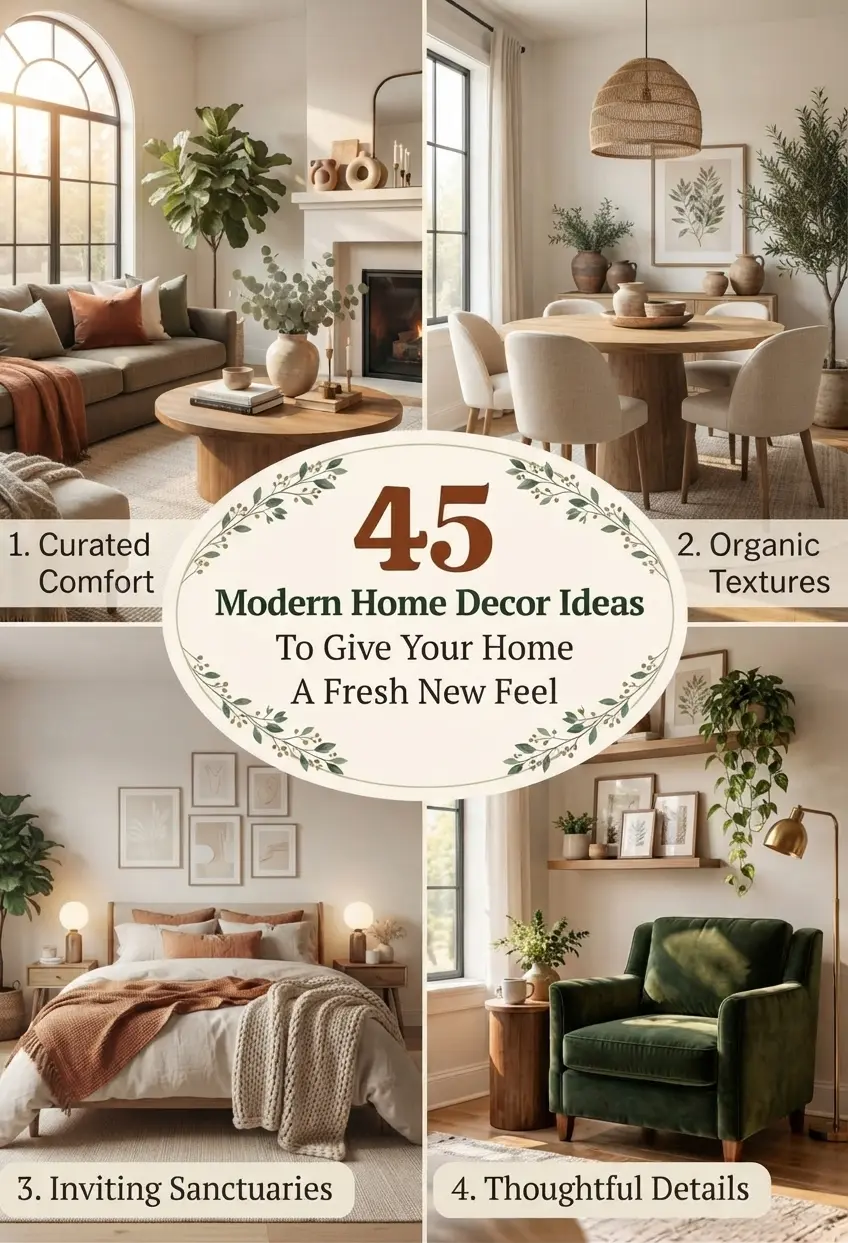
45 Modern Home Decor Ideas to Give Your Home a Fresh New Feel
A home can feel completely different without a major renovation or an expensive shopping spree. Small changes to furniture placement, lighting, color, artwork, textiles, and accessories can give familiar rooms a noticeably fresher appearance. Modern home decor works especially well because it combines clean lines and practical design with warmth, texture, and personal character. The key is not to make every room look identical, but to create spaces that feel connected while still having their own personality. These modern home decor ideas range from simple styling updates to more substantial improvements, so there is something for apartments, rentals, family homes, and larger residences. Choose the ideas that fit your home’s architecture, lifestyle, and budget, then build the look gradually.
1. Start With a Warm Neutral Foundation
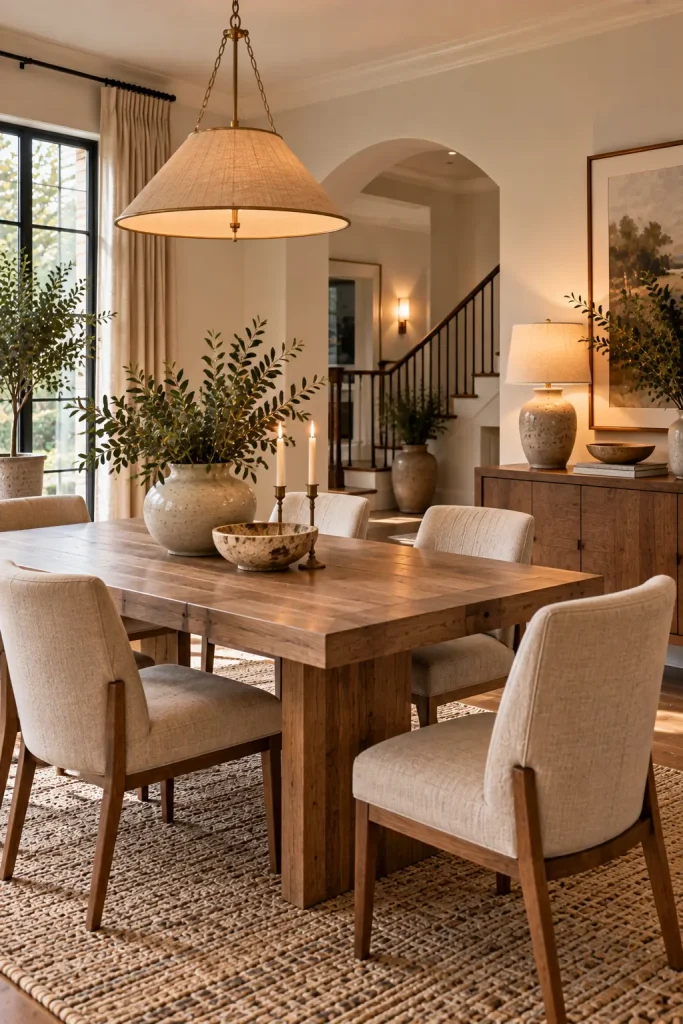
A warm neutral color palette creates an easy starting point for modern home decor because it makes a room feel calm without becoming completely plain. Instead of relying on bright white, consider shades such as warm ivory, soft beige, mushroom, taupe, greige, or sandy cream. These colors can work beautifully with natural wood, stone, black accents, and muted colors. Use one main neutral across the largest surfaces, then introduce slightly darker or lighter variations through furniture and textiles. This tonal approach gives the room depth without creating visual clutter. Natural materials such as linen, wool, oak, and ceramic can add texture to the neutral background. The result is a modern room that feels comfortable and collected rather than cold or overly minimal.
2. Create a Stronger Focal Wall
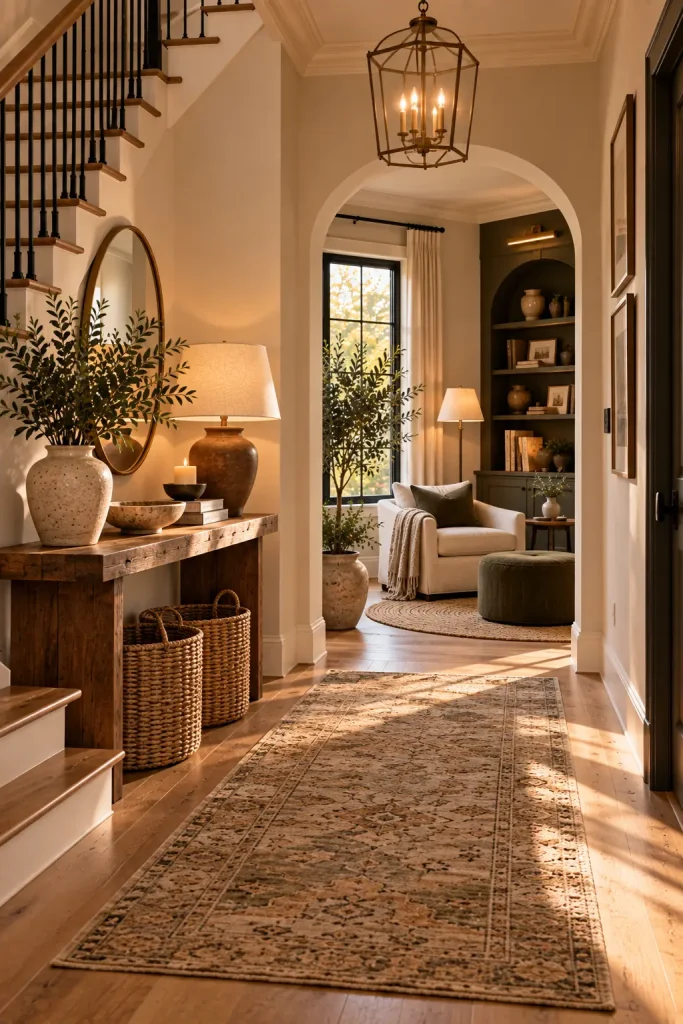
A room can immediately feel more intentional when one wall has a clear visual purpose. Instead of decorating every wall equally, choose one surface for oversized artwork, a painted accent, textured plaster, wood paneling, or a large mirror. A focal wall gives the eye somewhere to settle and prevents a room from feeling visually scattered. In a small space, one strong wall can often make more impact than several small decorative arrangements. Choose a treatment that relates to the furniture and colors already present in the room. If the furniture is colorful, a quieter wall treatment may work best. If the furniture is neutral, a stronger wall color or artwork can provide the needed personality.
3. Replace One Outdated Light Fixture
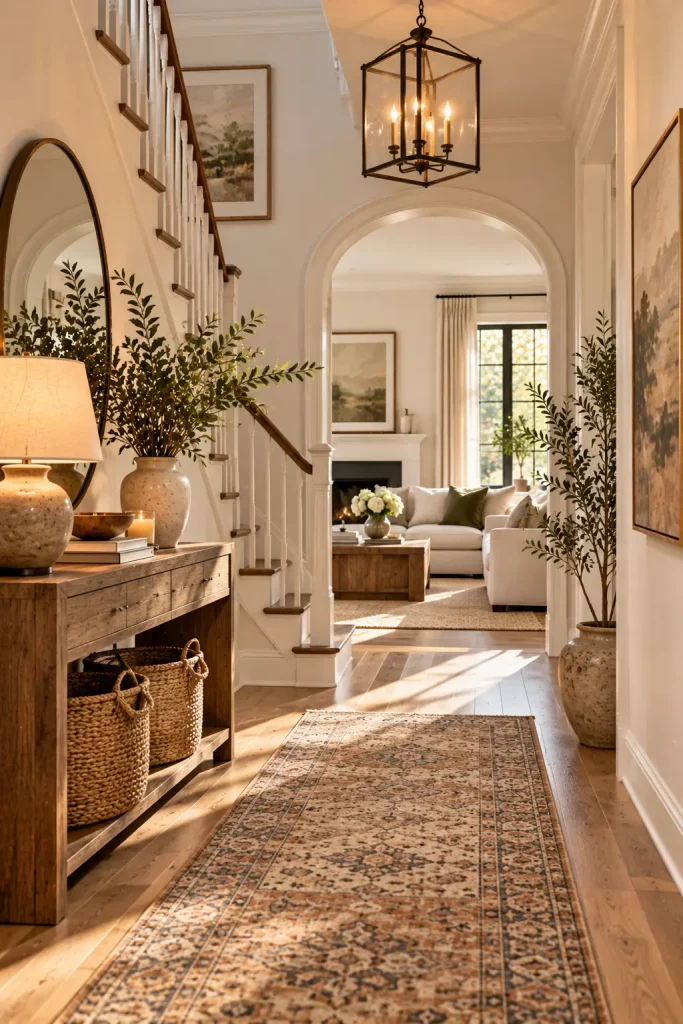
Changing one dated light fixture can make an entire room feel more current without requiring a major renovation. Look for a fixture with a simple silhouette, interesting material, and proportions that suit the room. A globe pendant, sculptural chandelier, linear fixture, or softly diffused shade can introduce a strong modern element. Think about how the fixture looks when it is switched off as well as how it illuminates the room. The right fixture should provide useful light while also contributing to the room’s overall design. In a dining area, make sure the fixture relates appropriately to the table size. In a bedroom or hallway, a smaller sculptural fixture can create a more subtle update.
Quick Tip: Before purchasing, check the fixture’s dimensions against the room and surrounding furniture so it doesn’t feel visually oversized.
4. Mix Straight Lines With Curved Furniture
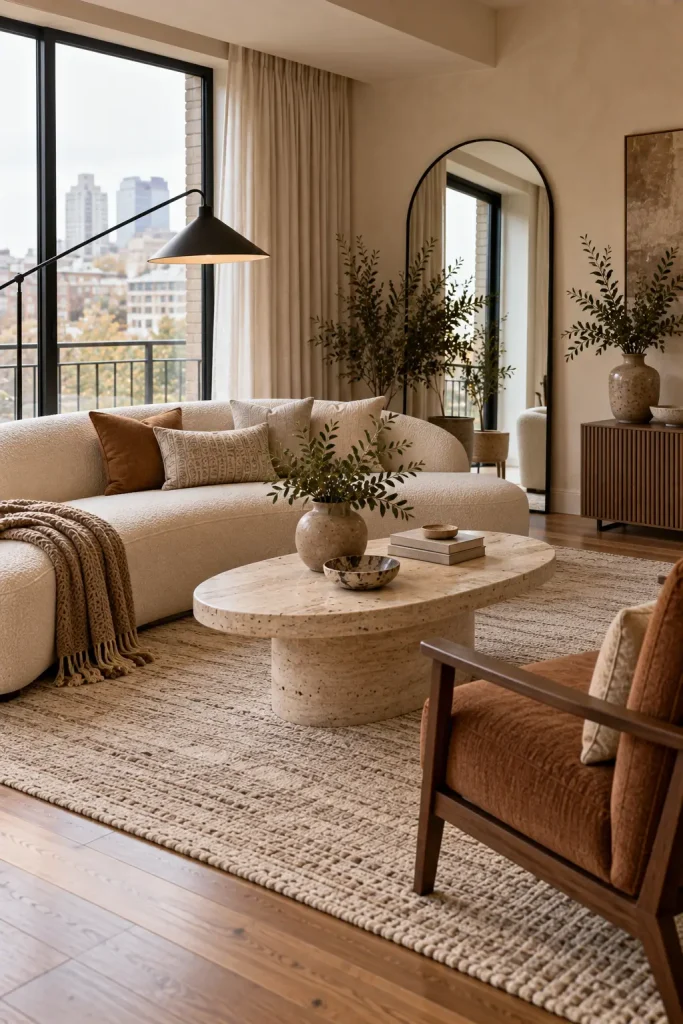
Modern interiors can sometimes become overly rigid when every piece of furniture has sharp rectangular edges. Introducing one or two curved pieces can soften that geometry and make the room feel more welcoming. Consider a curved sofa, oval coffee table, rounded ottoman, barrel chair, or organically shaped mirror. Curved furniture works particularly well against rectangular windows, straight walls, and linear cabinetry because the contrast creates visual movement. You don’t need several rounded pieces to achieve the effect. One sculptural chair or oval table can be enough to change the overall balance. Keep the remaining furnishings relatively simple so the curves feel intentional rather than decorative for their own sake.
5. Layer Different Textures in One Room
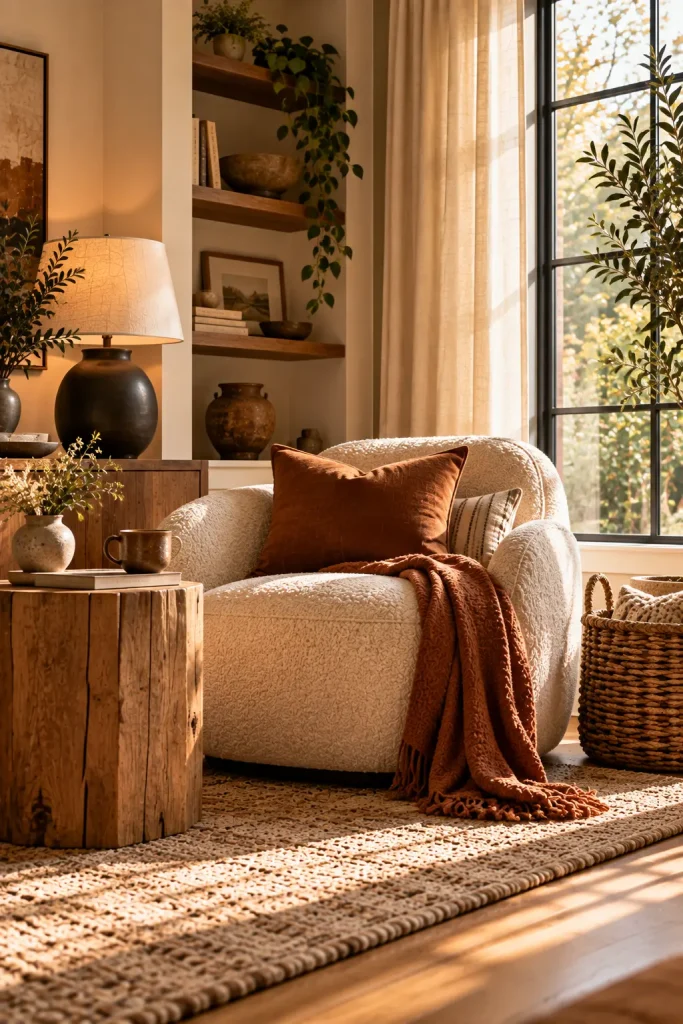
Texture is one of the easiest ways to make modern home decor feel warm and visually interesting. A room doesn’t need many colors when it contains enough differences in material and surface. Combine smooth finishes such as glass, polished stone, or painted cabinetry with tactile materials such as linen, boucle, wool, cane, wood, and woven fibers. A smooth coffee table can look much richer beside a chunky rug and relaxed linen sofa. Textured cushions, ceramic vessels, woven baskets, and natural wood can also add depth without making the room busy. Try to vary the texture rather than simply adding more accessories. This approach helps a restrained modern color palette feel layered and comfortable.
6. Bring in a Large Statement Rug
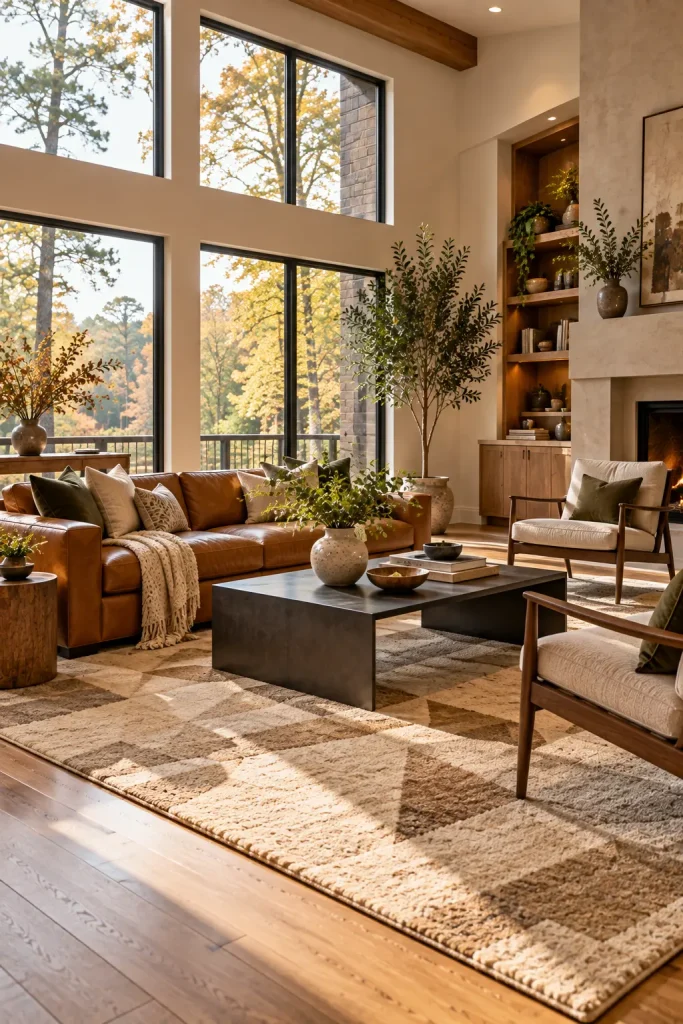
A properly sized rug can visually connect furniture and make an entire room feel more finished. Instead of choosing a small rug that only sits underneath the coffee table, consider a larger option that allows the major seating pieces to sit on or border it. Modern rugs don’t have to feature bold patterns; tonal geometric designs, faded lines, subtle abstracts, and organic shapes can create plenty of interest. Choose the rug according to the furniture that already exists rather than making every element compete for attention. A patterned rug can anchor neutral furniture, while a quieter rug can balance a room with stronger upholstery. Pay attention to durability as well, especially in family rooms and high-traffic areas.
7. Add Oversized Artwork
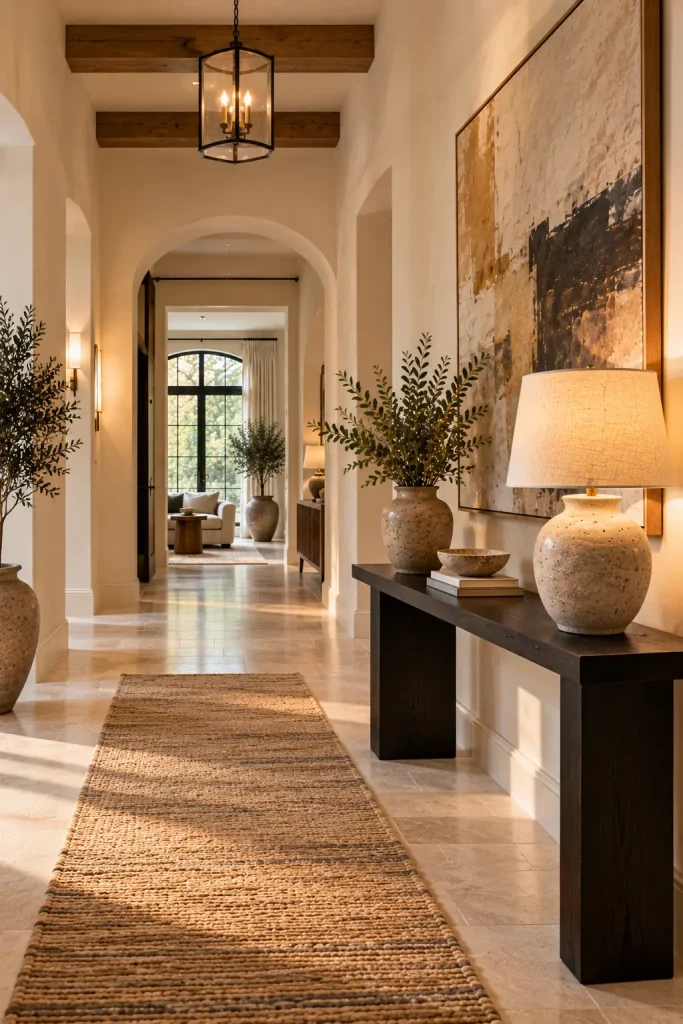
One large piece of artwork can often create a stronger modern statement than a wall filled with small decorative frames. Choose artwork with colors that connect to the existing room without requiring an exact match. Abstract paintings, photography, line drawings, and textured artwork can all work well in contemporary interiors. Give the piece enough surrounding space so it can function as a focal point rather than getting lost among other decorations. Oversized artwork is particularly useful above a sofa, console, dining table, or bed. If your room already contains bold furniture or patterned textiles, select artwork with a calmer composition so the overall space remains balanced.
8. Use One Bold Accent Color
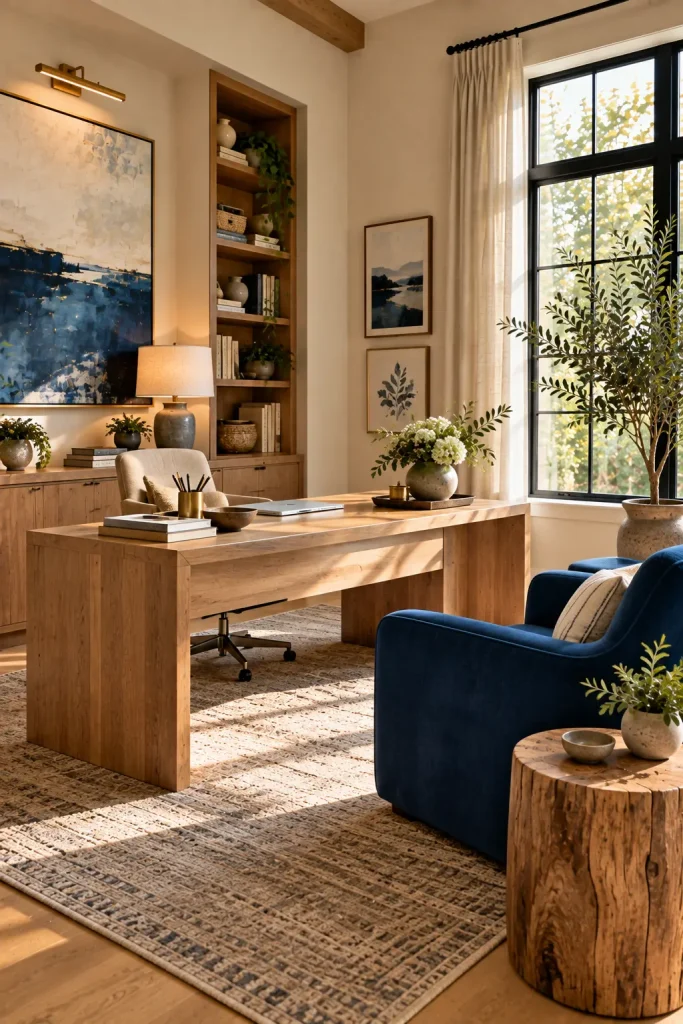
A restrained modern room can become much more memorable when one stronger accent color is introduced thoughtfully. Consider colors such as deep green, muted blue, terracotta, ochre, burgundy, or cobalt depending on the existing palette. Rather than spreading the color throughout the room, repeat it in two or three carefully selected places. A blue chair might connect with a small cushion and a detail within the artwork, creating cohesion without looking overly matched. Accent colors can also be introduced through rugs, lamps, curtains, ceramics, or a single painted wall. The strongest result usually comes from allowing the accent to remain relatively limited.
9. Introduce Natural Wood
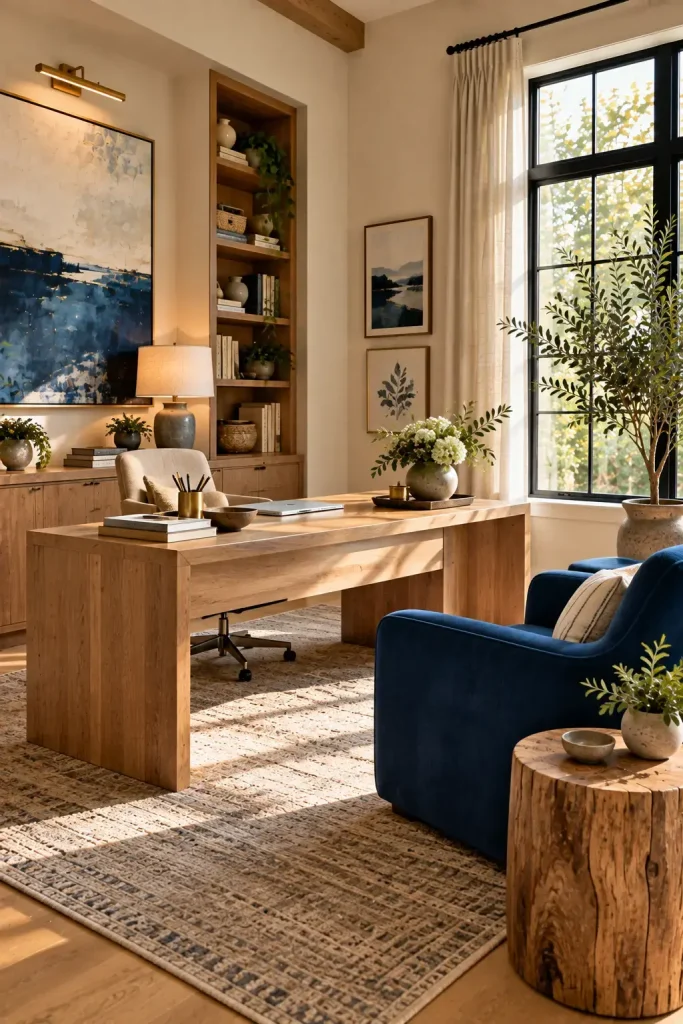
Natural wood is an effective way to add warmth to modern home decor without sacrificing a clean contemporary appearance. Pale oak can make a room feel lighter, while walnut introduces deeper contrast and visual richness. Wood can appear through coffee tables, shelving, cabinets, dining tables, benches, stools, or even smaller decorative objects. Try not to make every wood surface identical because slight variation can make the room feel more naturally collected. Pairing wood with stone, linen, ceramic, or metal creates a balanced mix of materials. The goal is not to create a perfectly matching furniture set but to introduce warmth and continuity throughout the space.
10. Give the Entryway a Purposeful Moment
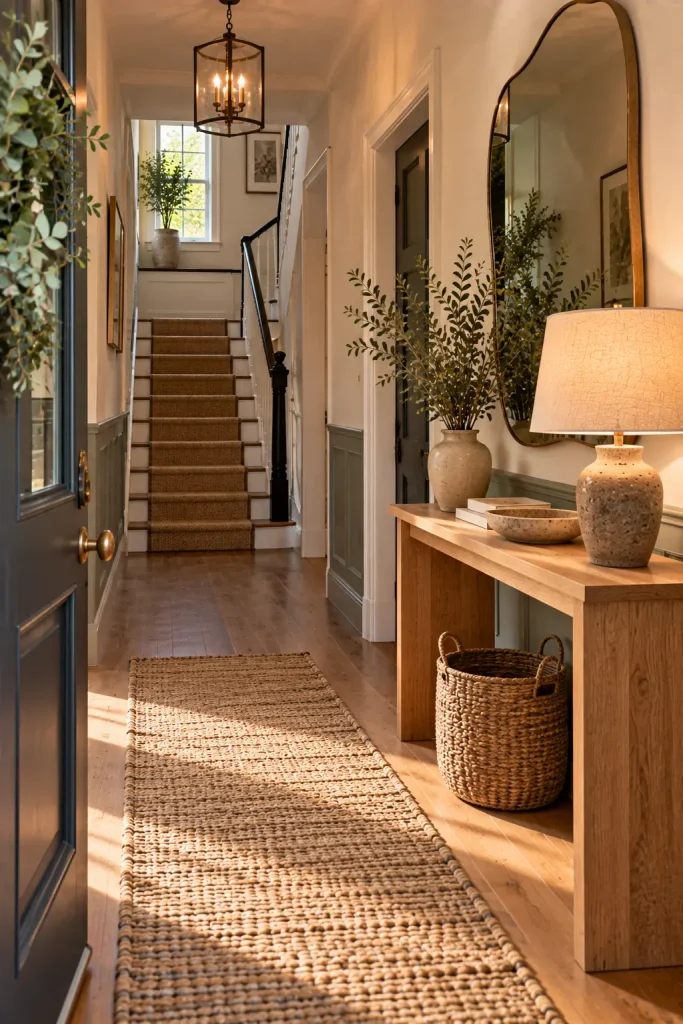
The entryway creates the first impression of your home, so it deserves more attention than simply providing a place to leave keys. A narrow console, mirror, practical tray, small lamp, and one decorative object can create a polished arrangement in a compact space. If floor space is limited, wall hooks and floating shelves can provide useful storage without making the area feel crowded. Larger foyers may benefit from a bench that combines seating with visual weight. Keep everyday clutter contained so the entry remains welcoming. Choose materials and colors that introduce the overall style of the home without making the entry feel disconnected.
11. Style Open Shelving With Restraint
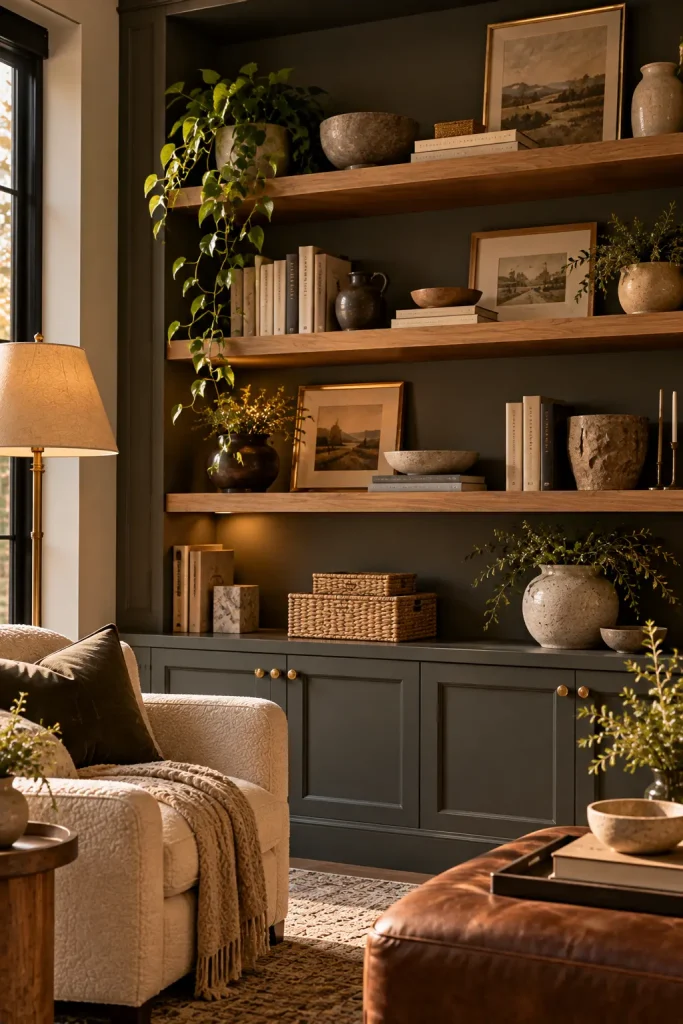
Open shelving can make a room feel lighter, but it can quickly become cluttered when every inch is filled. Instead, arrange books, ceramics, artwork, baskets, and plants in small groups with intentional empty space between them. Vary the height and orientation of objects so the shelves have visual rhythm. A stack of books can balance a taller vase, while a trailing plant can soften a hard corner. If the shelves hold practical kitchen or office items, attractive containers can help everyday storage become part of the design. The goal is to make the shelving look collected rather than crowded.
12. Choose a Sculptural Coffee Table
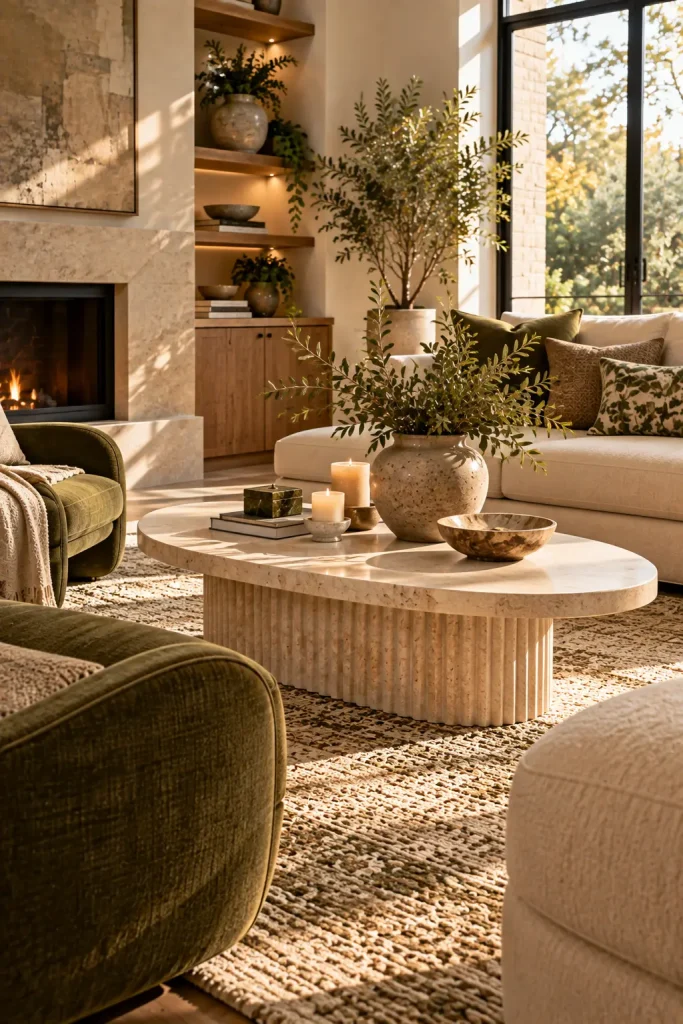
The coffee table can become a major design element rather than simply a place for drinks and books. Look for an interesting silhouette such as an oval stone top, rounded wood form, fluted base, or architectural metal frame. The shape should relate to the surrounding furniture while offering enough contrast to keep the arrangement interesting. If your sofa and chairs are angular, a rounded table can soften the composition. If your furniture is already curved, a simple rectangular table may provide useful definition. Leave enough space around the table for comfortable movement and everyday use.
13. Refresh Cabinet Hardware
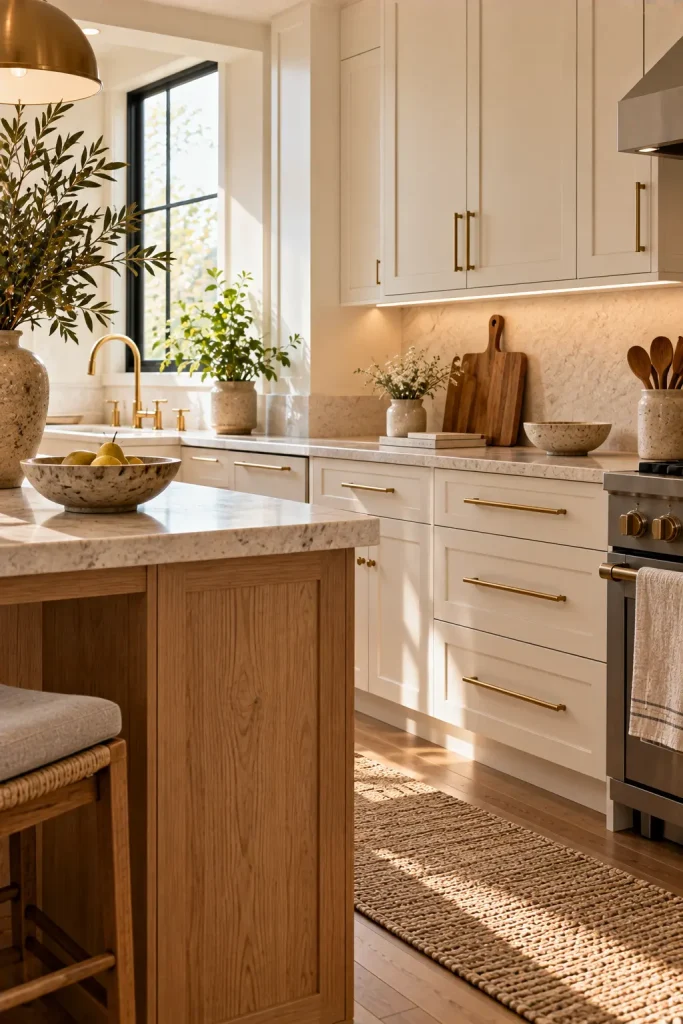
Replacing cabinet hardware is a relatively simple way to make an existing kitchen, bathroom, or storage system feel more current. Slim pulls, rounded knobs, brushed brass, matte black, or brushed nickel can change the visual character of otherwise ordinary cabinetry. Choose a finish that connects with other details in the room without feeling overly coordinated. Before purchasing, measure the existing holes carefully if you want to avoid drilling new ones. The scale of the hardware should also relate to the size of the doors and drawers. This small change can be especially useful when the cabinets themselves are still in good condition.
Quick Tip: Test one or two hardware samples in the actual room before replacing every piece.
14. Create a Calm Bedroom Palette
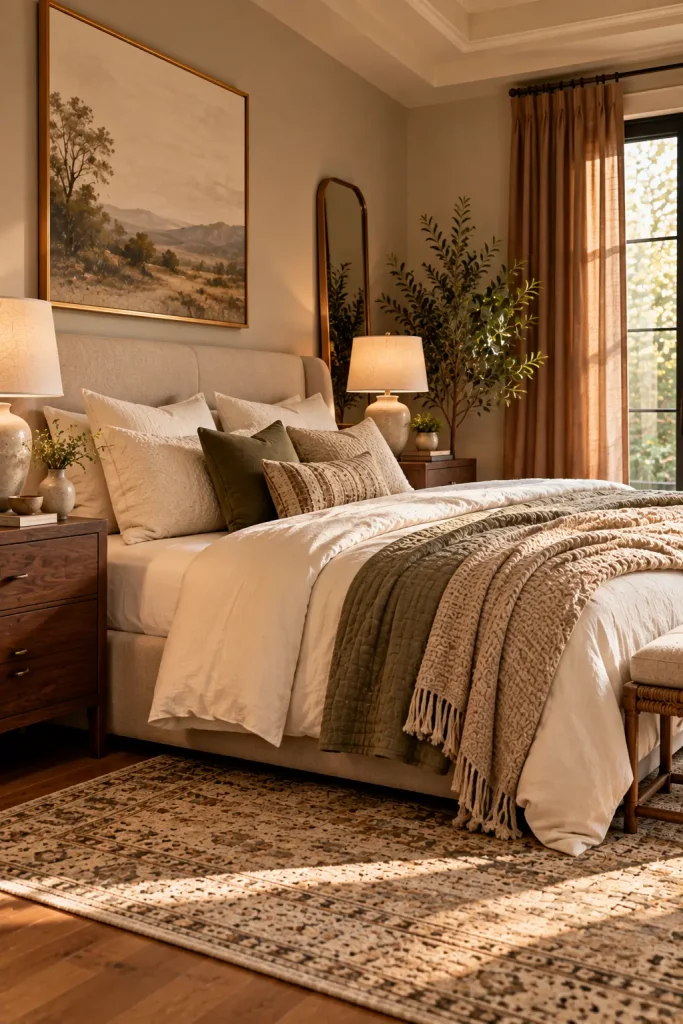
Bedrooms benefit from a quieter approach because too much visual activity can make the room feel less restful. Build the palette around soft neutrals, muted earth tones, or gentle blue and green shades. Layer bedding in slightly different colors and textures rather than choosing a perfectly matching set. A darker wood nightstand or upholstered headboard can provide enough contrast to keep the room from looking washed out. Use warm bedside lighting and keep decorative objects limited to a few purposeful pieces. The result should feel comfortable and personal while maintaining the clean lines associated with modern decor.
15. Add a Statement Mirror
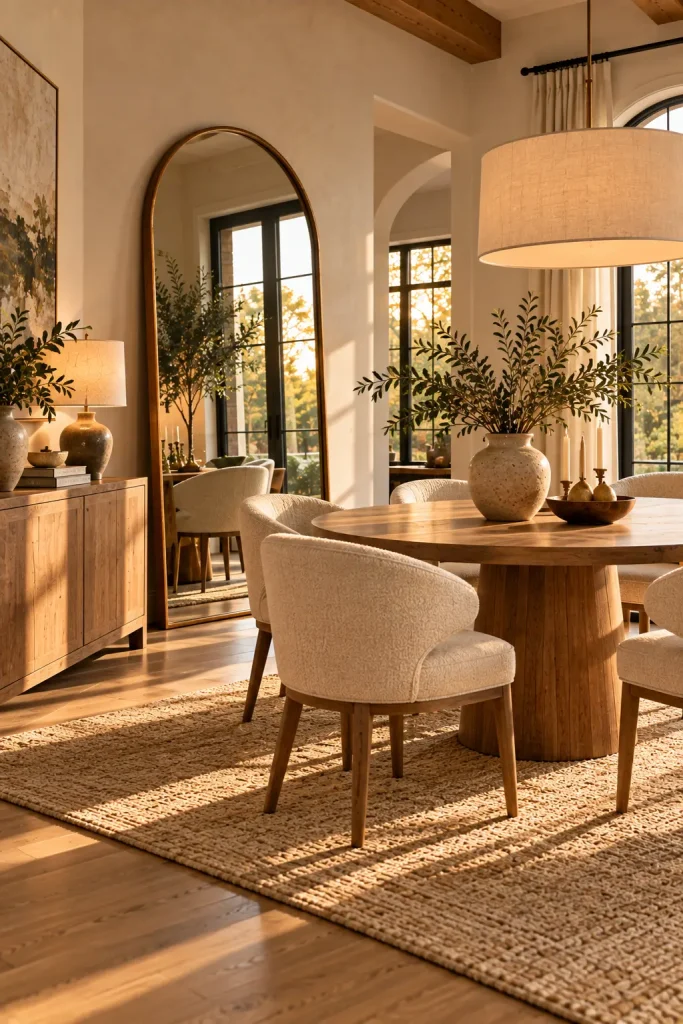
A mirror can provide both practical function and decorative impact when its shape and scale are chosen carefully. Instead of using a standard rectangular mirror, consider an oversized arch, irregular organic shape, thin black frame, aged metal frame, or frameless design. Position it where it can reflect useful natural or artificial light without simply reflecting clutter. Scale is particularly important above consoles and bathroom vanities. A larger mirror can help a compact room feel more open, while an unusual silhouette can add personality to a simple wall.
16. Use Floor-to-Ceiling Curtains
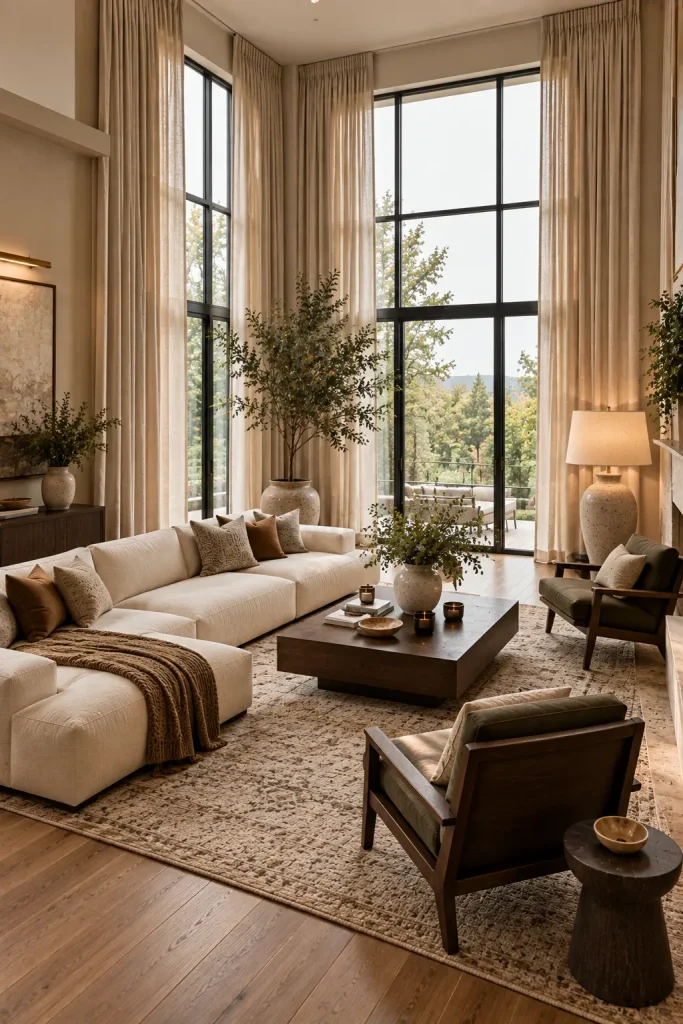
Long curtains can visually increase the height of a room and make windows appear more substantial. When appropriate, install the curtain rod closer to the ceiling and allow the fabric to fall toward the floor. Linen and linen-look fabrics work especially well in modern spaces because their relaxed texture softens clean architectural lines. Matching the curtain color closely to the walls creates a quiet effect, while a slightly darker shade can provide more definition. Make sure the curtains don’t interfere with doors, vents, or furniture movement. Proper length and fullness are often more important to the finished look than expensive fabric.
17. Build a Layered Lighting Plan
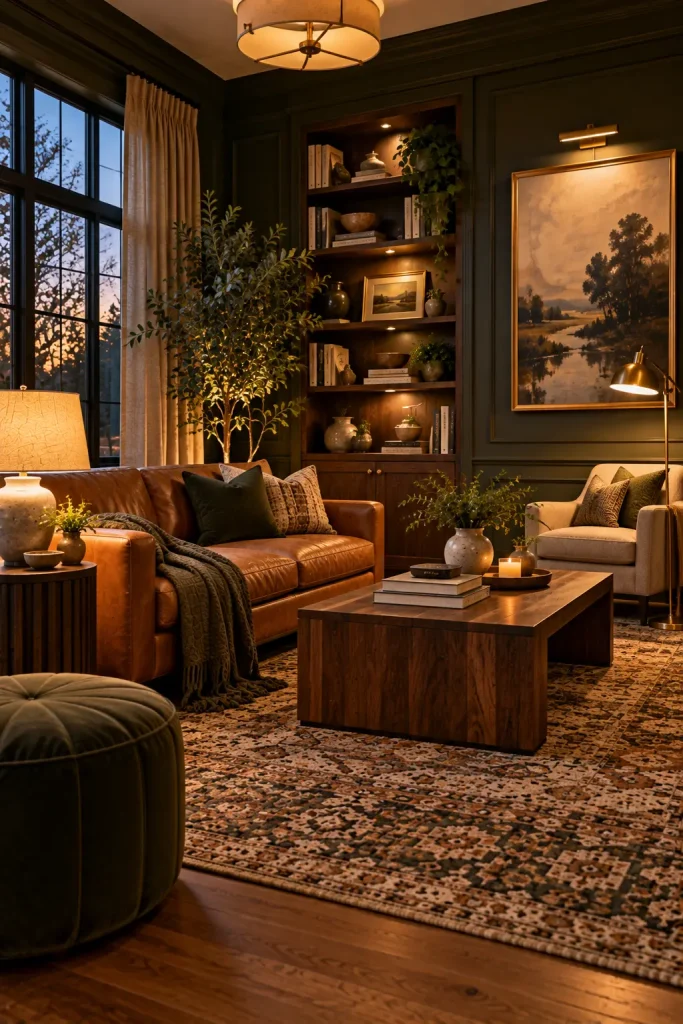
A modern room rarely looks its best when one ceiling fixture is responsible for every lighting need. Layer overhead lighting with table lamps, floor lamps, wall sconces, or accent lighting so the room can change atmosphere throughout the day. General lighting provides overall visibility, while task lighting supports reading, cooking, or working. Accent lighting can highlight artwork, shelving, or architectural details. Consider how the room looks after sunset because artificial lighting becomes part of the decor once natural daylight disappears. Multiple light sources also allow you to illuminate only the areas being used.
18. Add a Large Indoor Plant
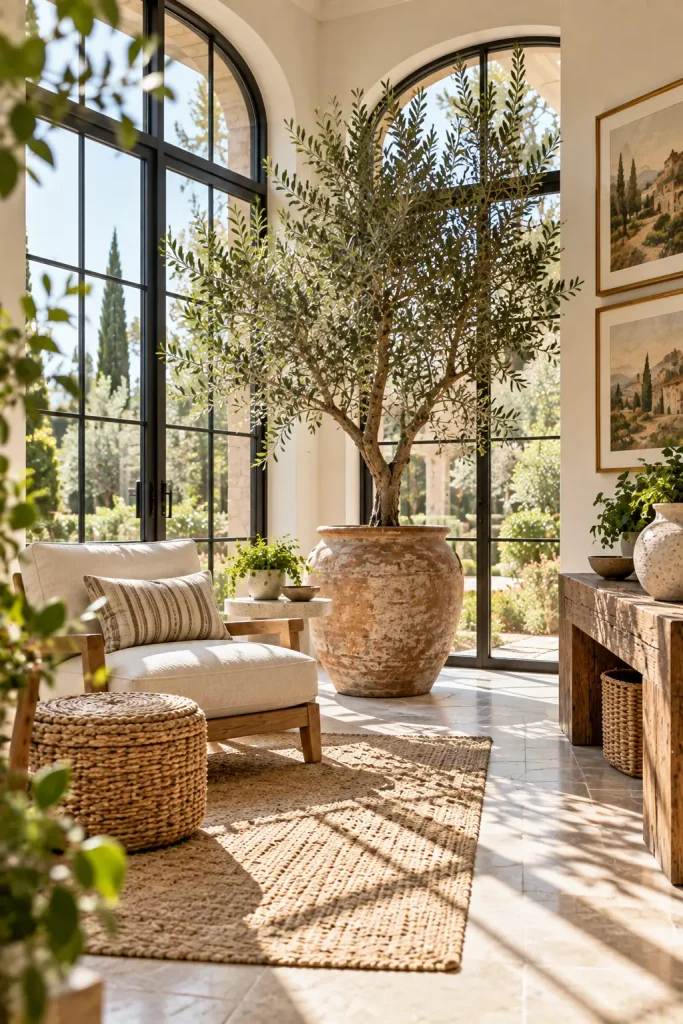
A substantial plant can introduce height, movement, and natural color into a modern room. Choose a plant that genuinely suits the available light and make sure there is enough room for it to grow without blocking pathways. The planter itself can become part of the decorating scheme through ceramic, terracotta, stone, or woven materials. Large plants are especially useful in corners that otherwise feel empty. If your room is small, a smaller plant on a stand or shelf can provide a similar connection to nature without overwhelming the space.
19. Introduce an Organic-Shaped Rug
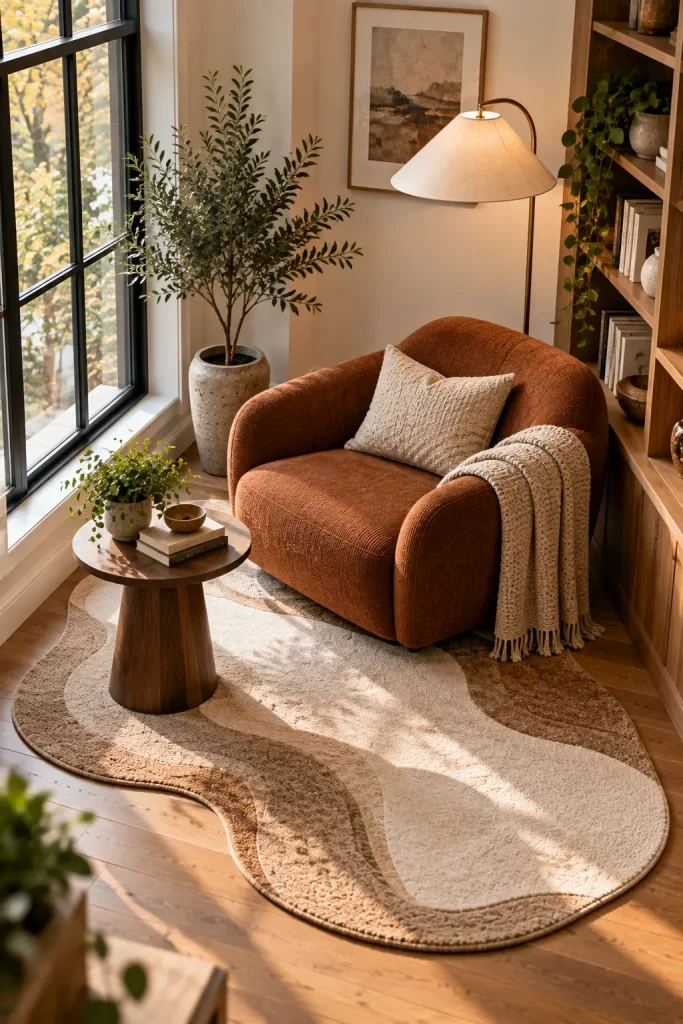
An organically shaped rug can soften a room dominated by straight architectural lines. Instead of a traditional rectangle, choose a design with curved edges or an irregular outline to create a more relaxed focal point. This works particularly well beneath a small seating arrangement, beside a bed, or in a flexible reading area. Keep nearby furniture relatively simple so the unusual shape remains easy to appreciate. Neutral colors make the effect subtle, while a stronger color can make the rug a central design feature. Always consider the practical walking path before choosing an unconventional rug shape.
20. Turn an Empty Corner Into a Reading Nook
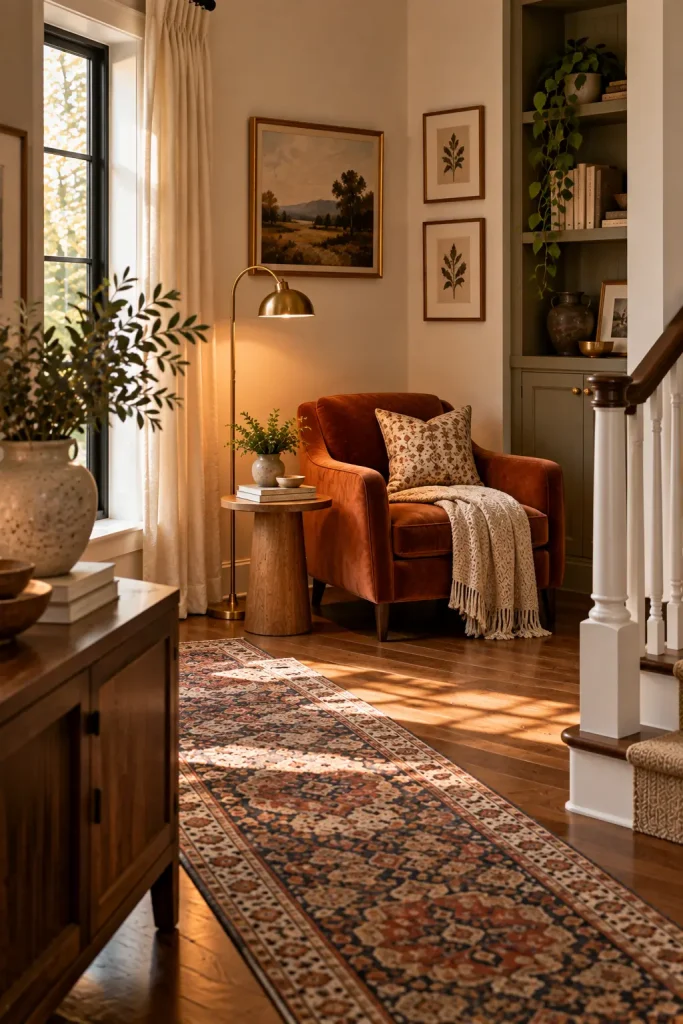
An unused corner can become one of the most useful areas in a home when it is given a clear purpose. A comfortable chair, small side table, reading lamp, and perhaps a low bookcase are usually enough to create a dedicated reading space. Choose furniture that fits the corner rather than filling it with oversized pieces. A small rug can visually separate the nook from the rest of the room. Add a few books and one decorative object for personality without making the area feel crowded. The finished space should look like an intentional destination rather than furniture that simply had nowhere else to go.
21. Add Slim Floating Shelves
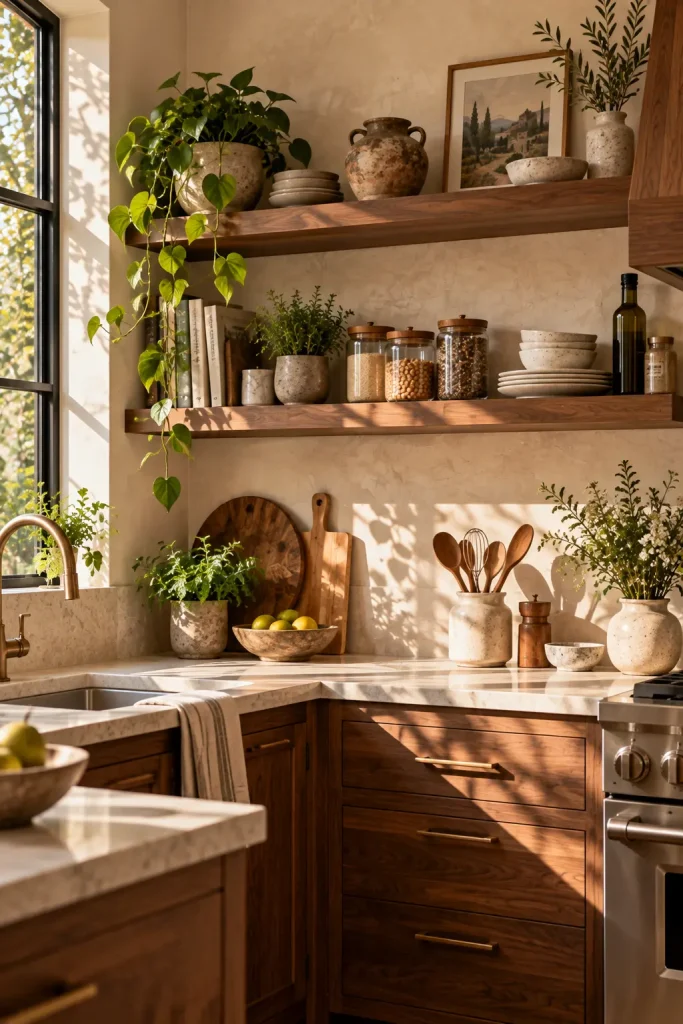
Floating shelves can add storage and personality without making a wall feel heavy. They are especially useful in compact kitchens, bathrooms, home offices, and living rooms where floor space is limited. Choose a shelf depth that works with the room and doesn’t interfere with movement. Style the shelves with a combination of useful and decorative pieces, such as cookbooks, ceramics, framed artwork, baskets, or plants. Leave some empty space so the wall doesn’t become visually crowded. In a small room, two or three carefully spaced shelves can provide much more impact than a large shelving unit.
22. Use Tonal Color Instead of Matching Everything
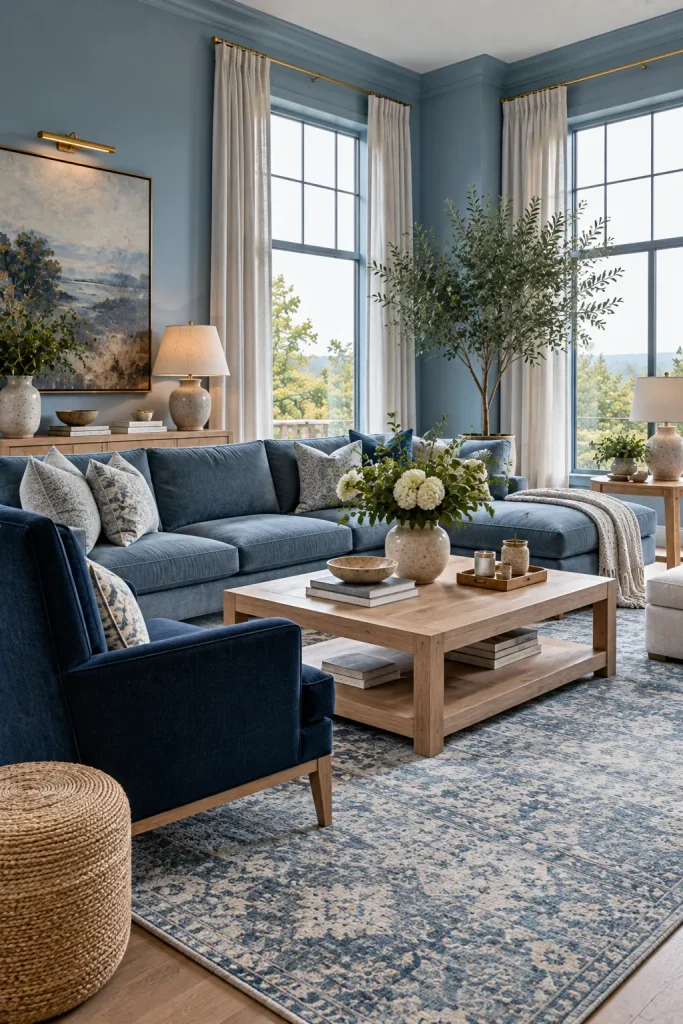
Tonal decorating creates a cohesive room without requiring every piece to be exactly the same color. For example, a blue room can combine powder blue, dusty blue, slate, and navy, while a green room can mix sage, olive, moss, and forest shades. These subtle differences create depth while keeping the overall palette controlled. Natural wood, stone, or woven materials can break up the color and add warmth. Tonal decorating is particularly useful when you want a modern room to feel sophisticated without relying on strong pattern. Let the shades vary naturally rather than trying to match every item precisely.
23. Give the Dining Area a More Relaxed Feel
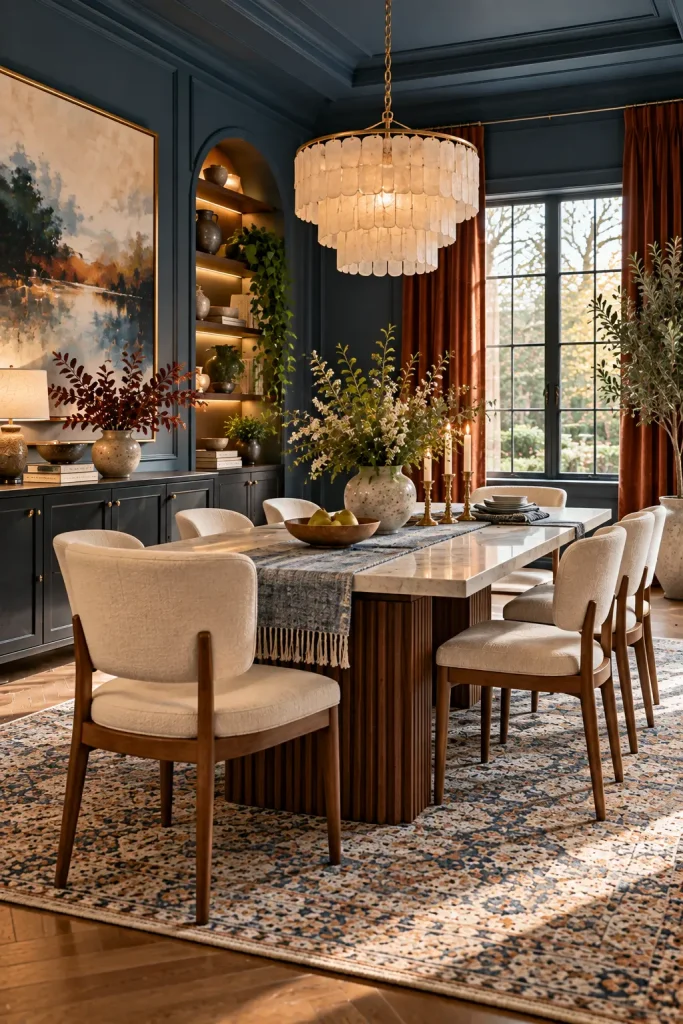
A modern dining space doesn’t need to feel formal or overly decorated to look polished. Start with a substantial table and comfortable chairs, then add a low centerpiece that won’t interfere with conversation. A large artwork or simple pendant can create a strong focal point without filling the room with accessories. Upholstered chairs can add softness, while wood and stone provide a more grounded appearance. For everyday family spaces, prioritize surfaces and fabrics that can handle regular use. The best dining rooms balance appearance with the way people actually gather, eat, work, and socialize.
24. Add Architectural Molding
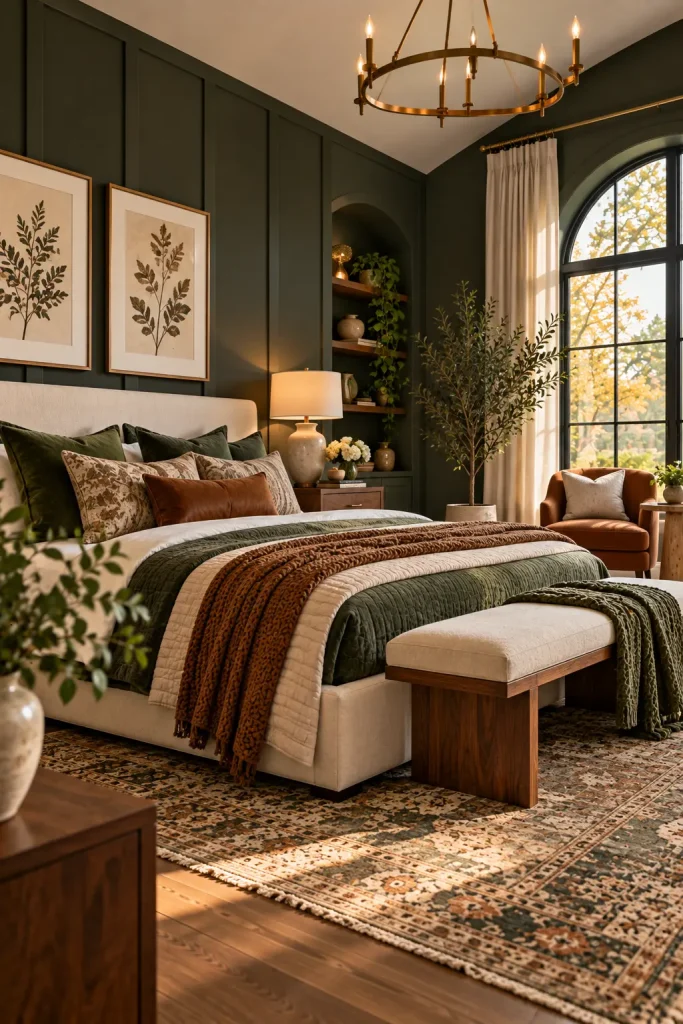
Simple wall molding can give a plain room architectural character while still feeling modern. Box molding, vertical battens, narrow paneling, or a restrained picture-frame treatment can create subtle depth without overwhelming the space. Painting the molding and wall the same color creates a sophisticated tonal effect, while slightly contrasting shades make the pattern more noticeable. The size of the panels should relate to the wall and room dimensions. Too many narrow sections can make a small room feel busy. A simple, well-proportioned treatment usually creates a cleaner result.
Common Mistake: Adding too many narrow decorative panels to a small wall.
Better Approach: Use fewer, larger sections and allow plenty of visual breathing room.
25. Choose One Premium Material as an Accent
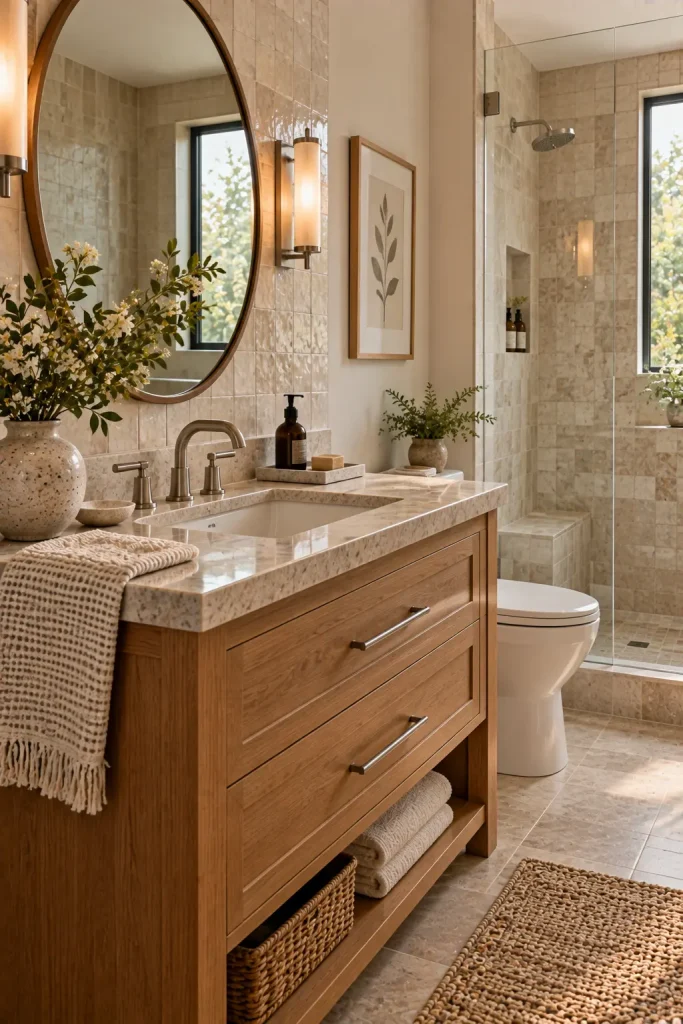
A room doesn’t need expensive materials everywhere to feel elevated. Instead, choose one premium material and use it where it will have the greatest visual impact. This might be a natural-stone side table, handmade tile, solid wood bench, quality lighting fixture, or carefully crafted countertop. Keep the surrounding pieces simpler so the special material becomes noticeable. This creates contrast and prevents the room from feeling excessively decorated. The same principle can work at many investment levels because the important part is choosing one area where craftsmanship or material quality deserves attention.
26. Create a Dedicated Drop Zone
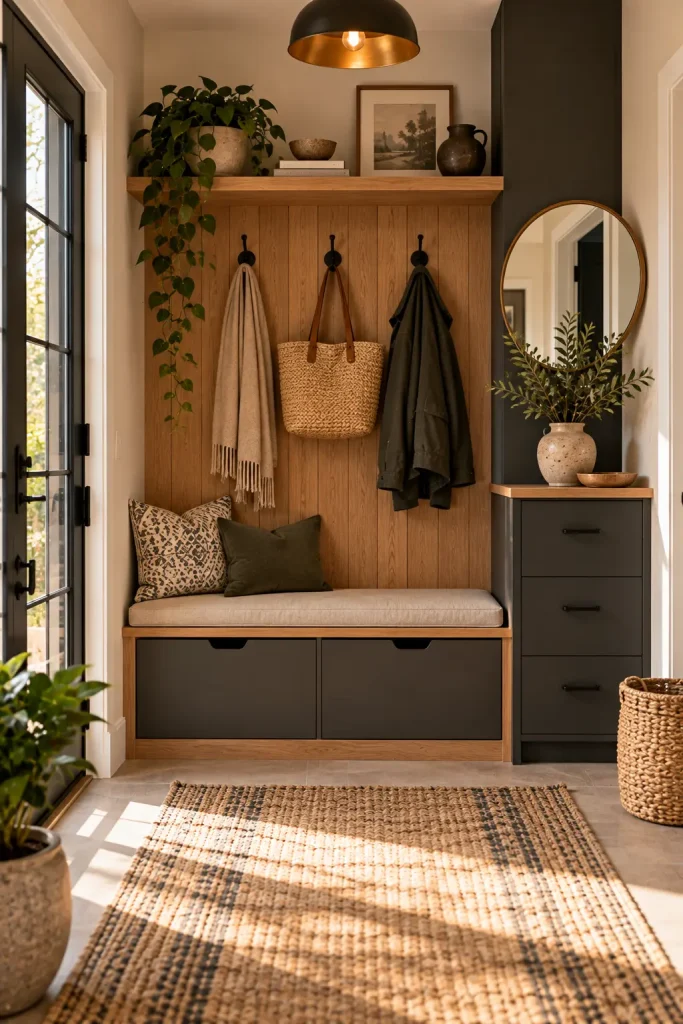
A dedicated drop zone can make everyday life easier while also reducing visible clutter. Near an entry, use hooks for bags and jackets, a tray for keys, a small bench for shoes, and closed storage for items that don’t need to remain visible. The system doesn’t have to occupy an entire mudroom. A narrow wall or small section beside the door can be enough. Design the storage around what your household actually uses rather than creating a decorative arrangement that isn’t practical. Closed drawers and baskets are particularly helpful for maintaining a calm modern appearance.
27. Use Black Accents for Definition
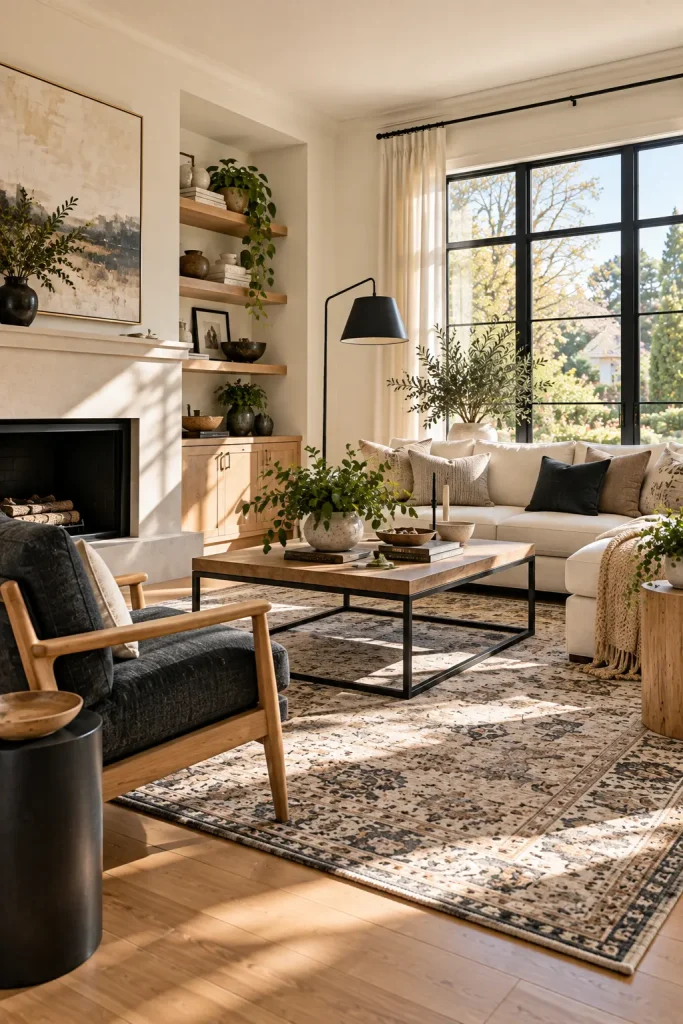
Black accents can give a light modern room a stronger visual outline without requiring dramatic color changes. Introduce black through window frames, lighting fixtures, furniture legs, artwork frames, hardware, or one small piece of furniture. Repeating the accent in several areas helps the room feel connected. The amount of black needed depends on the room’s size and existing palette. A single dark chair and floor lamp may be enough in a small space. The objective is to provide definition rather than turn the entire room into a high-contrast design.
28. Make the Sofa Arrangement More Conversational
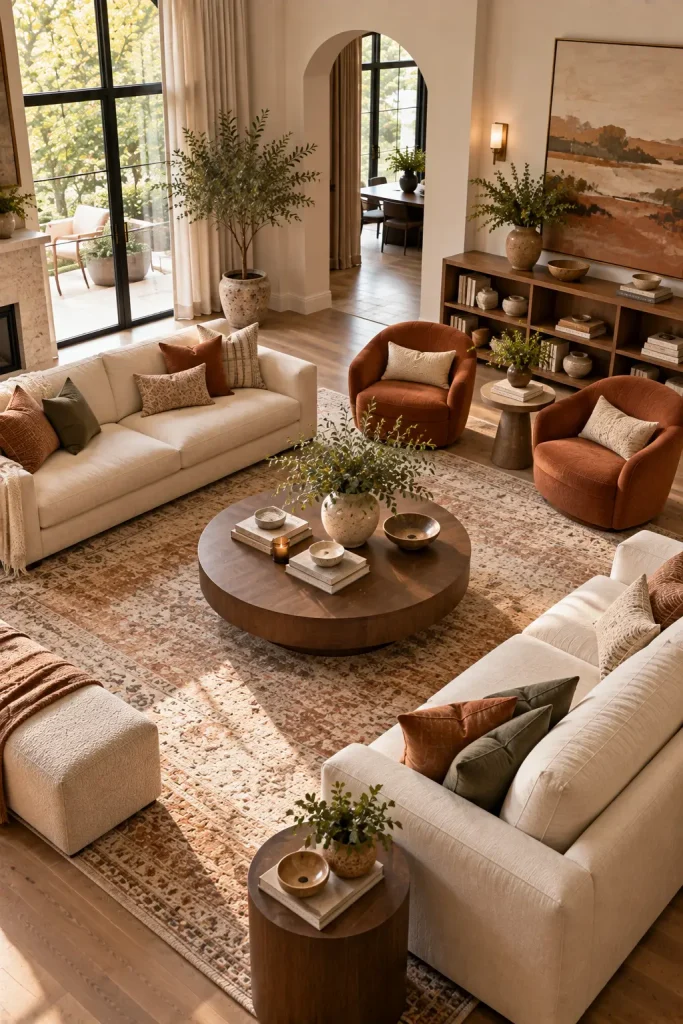
Furniture placement can have as much influence on a room as the furniture itself. Instead of pushing every piece against the walls, consider bringing the seating closer together and orienting chairs toward one another. This creates a more natural conversation area and can make a large room feel more welcoming. Leave enough space around the arrangement for people to walk comfortably. A large rug can help visually connect the seating pieces. The goal is to create a layout that supports real daily use instead of simply maximizing empty floor area.
29. Add a Small Dose of Vintage Character
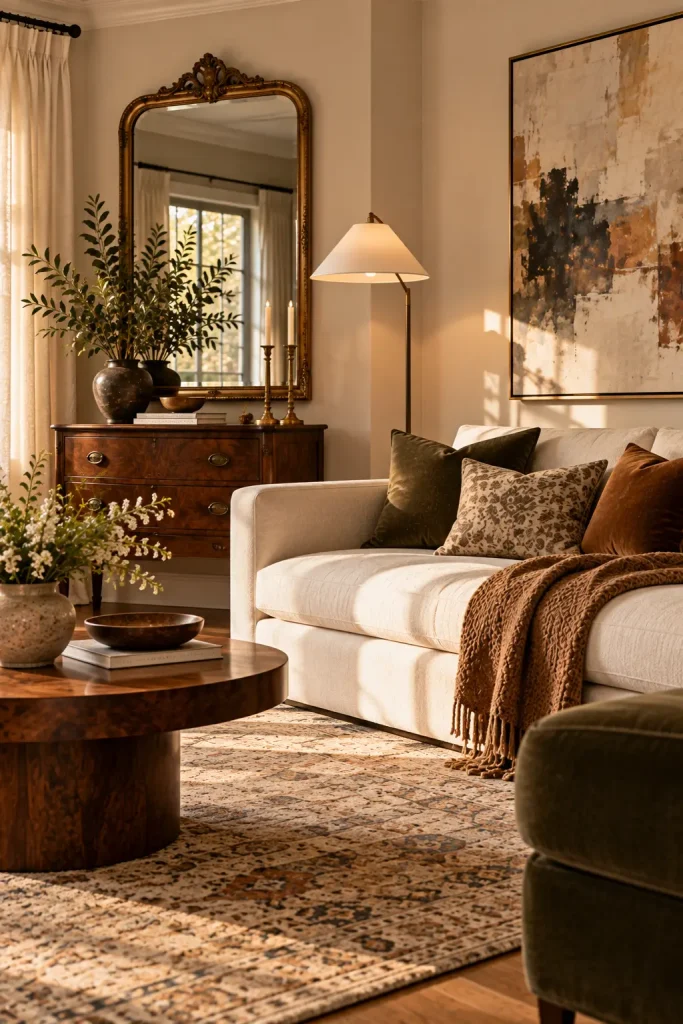
Modern interiors can sometimes feel too coordinated when every piece looks new. Introducing one vintage or vintage-inspired item can add character and make the room feel more personal. Consider an older wooden side table, antique mirror, aged brass object, vintage-style chair, or collected artwork. The contrast between old and new can be more interesting than a room where every item belongs to the same design period. Choose one piece with enough character to stand out. Keeping the rest of the room relatively simple will help the vintage element feel intentional rather than random.
30. Simplify the Kitchen Countertops
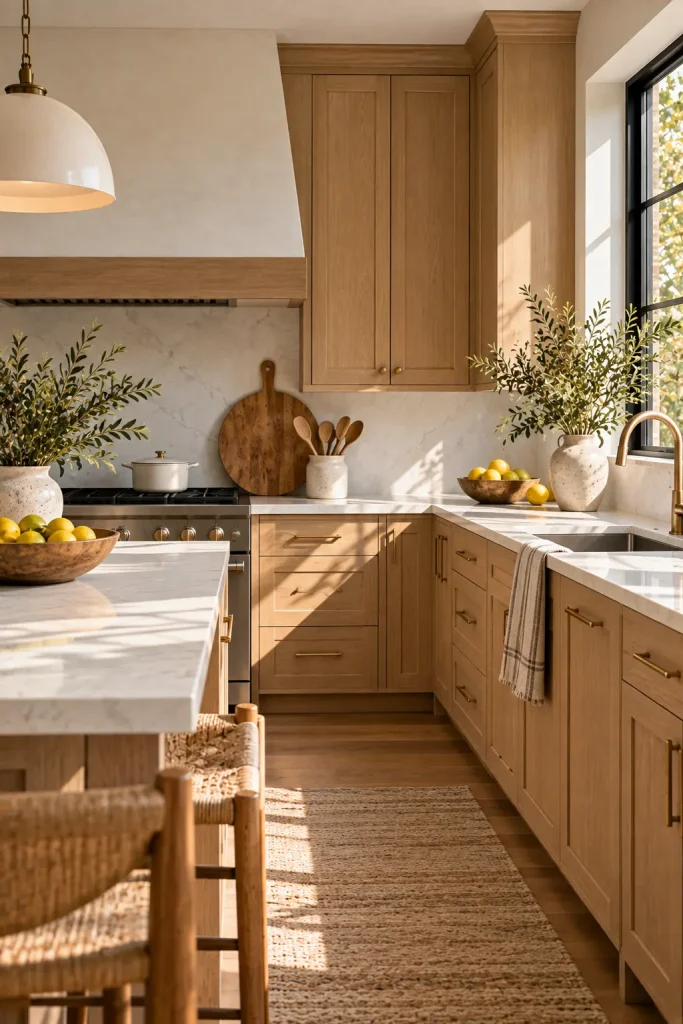
One of the quickest ways to make a kitchen feel more modern is to reduce unnecessary visual clutter. Keep only frequently used items or pieces that genuinely contribute to the room’s appearance on the countertop. A wooden cutting board, ceramic utensil holder, fruit bowl, coffee setup, or small vase can provide warmth without overwhelming the surface. Group related items together instead of spreading objects across the entire counter. Store appliances and miscellaneous items elsewhere when they aren’t used regularly. The goal isn’t to make the kitchen look empty but to make the visible objects feel deliberate.
Quick Tip: Clear the counters completely first, then return only the items that are genuinely useful or visually worthwhile.
31. Use a Bench Instead of Traditional Chairs
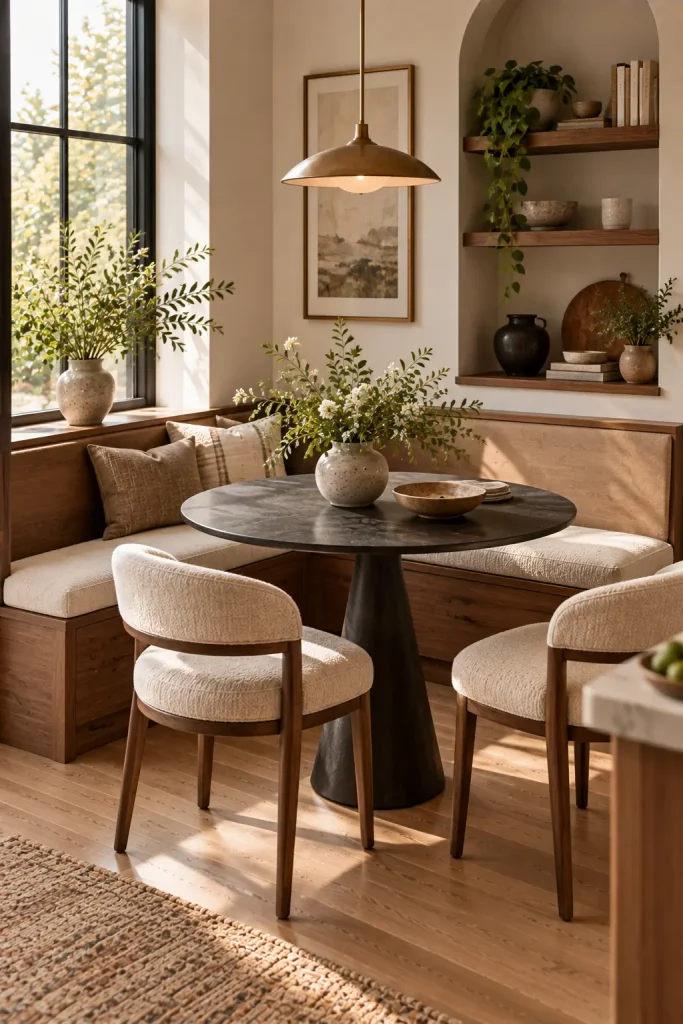
A bench can make a dining area feel more relaxed while also giving it a cleaner silhouette. Wood benches provide warmth and durability, while upholstered versions can make a dining area feel softer and more comfortable. Benches can also accommodate flexible seating when additional guests arrive. Choose a size that allows people to sit comfortably without making the table difficult to access. In compact breakfast areas, a bench placed against the wall can save valuable floor space. When not in use, it can often slide partly underneath the table to maintain a more open walkway.
32. Refresh the Bathroom With Better Textiles
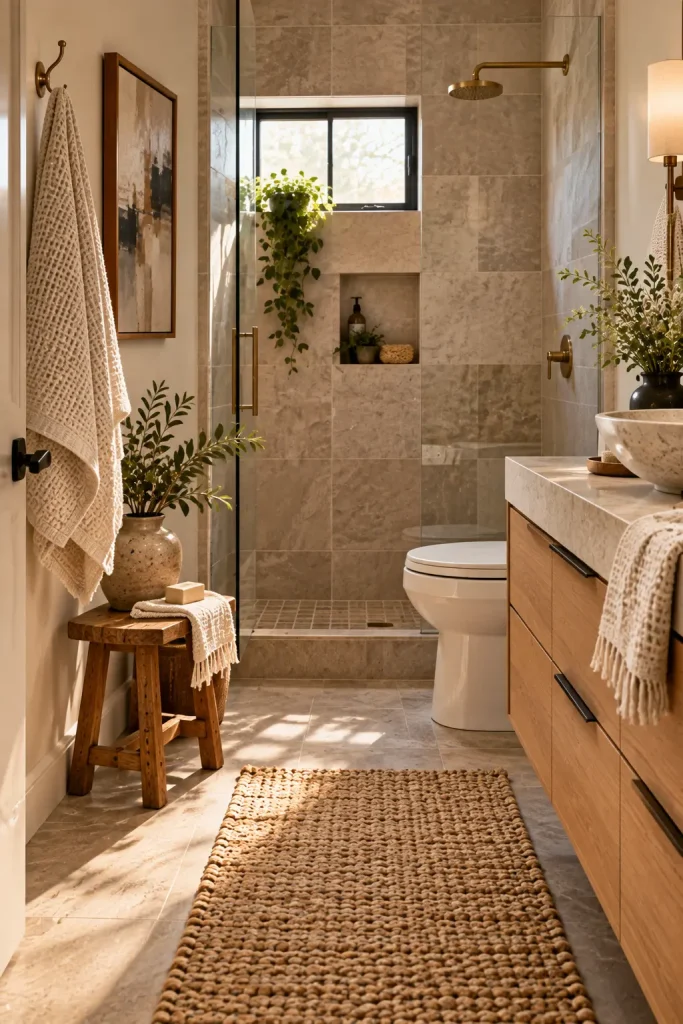
A bathroom can feel considerably fresher without replacing its tile or plumbing fixtures. Start with towels, bath mats, shower curtains, baskets, and small decorative elements. Choose textiles with simple patterns or solid colors that work with the existing tile. Waffle towels, heavyweight cotton mats, linen-look curtains, and natural woven baskets can introduce useful texture. A small stool or wooden tray can add warmth to a bathroom dominated by hard surfaces. Keep the decorative layer edited so the room remains practical and easy to clean.
33. Use a Long Low Media Console
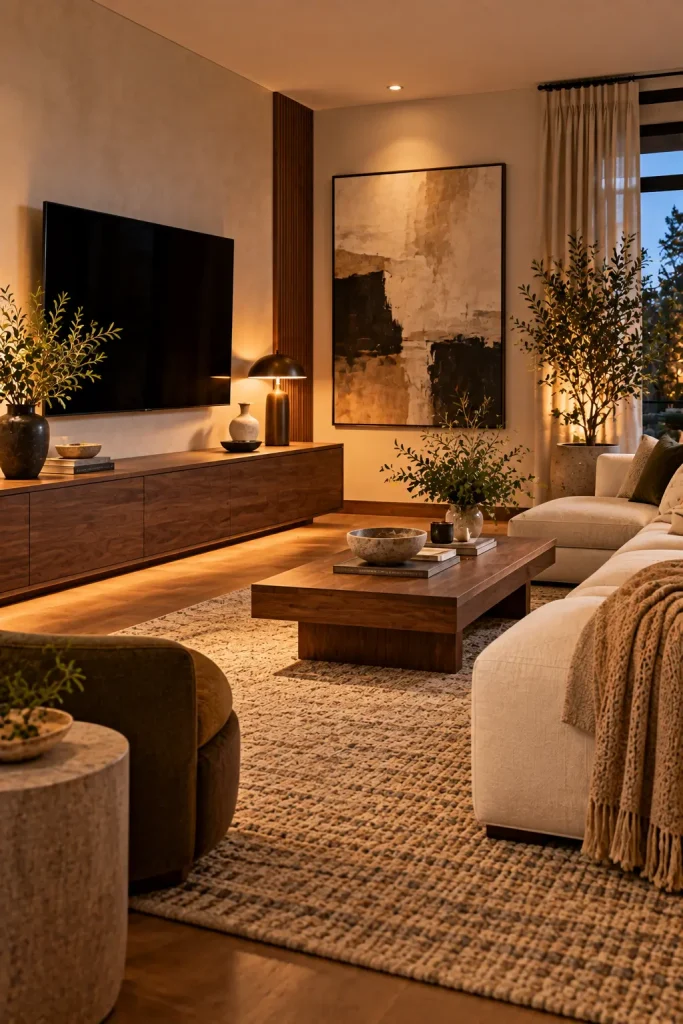
A long, low media console can visually ground a living room while providing useful hidden storage. Choose a piece with simple doors or drawers so electronics, cables, games, and miscellaneous items can stay out of sight. The long horizontal shape can balance a large wall or television and create a stronger sense of proportion. Avoid filling the entire surface with accessories. One lamp, a few books, or a single ceramic object may be enough. Leave some breathing room around the console so the wall doesn’t feel crowded.
34. Create a More Intentional Home Office
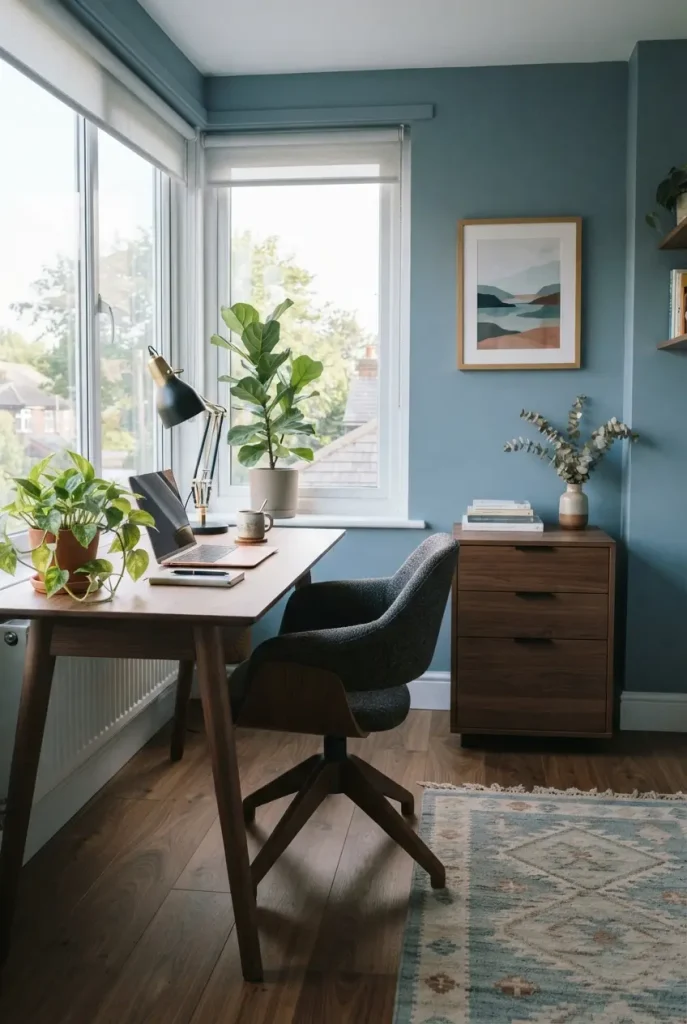
A modern home office should be designed around concentration and everyday comfort rather than appearance alone. Start with a desk that provides enough usable surface, then add a comfortable chair and appropriate task lighting. Storage should keep paperwork and supplies organized without making the workspace feel visually heavy. Artwork, plants, and textiles can add personality while maintaining a calm environment. If the office shares space with another room, use a rug, shelving, or furniture orientation to establish a visual boundary. Keep the immediate work surface relatively clear so the room remains useful.
35. Add a Ceiling Treatment
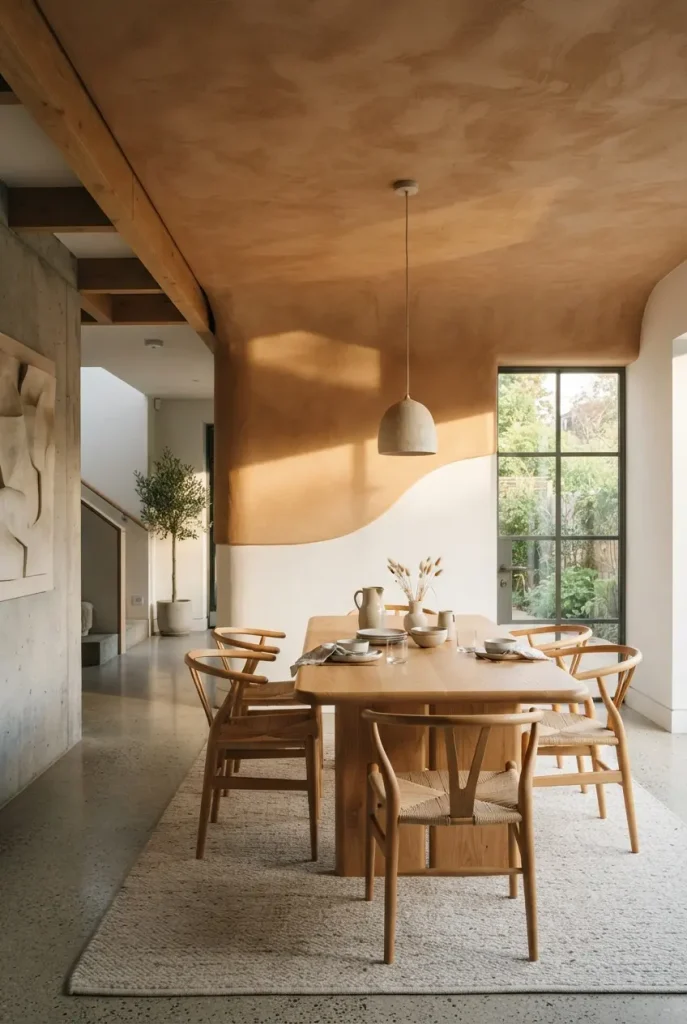
The ceiling is often overlooked when refreshing a home, but it can become an important part of modern decor. A painted ceiling, wood slats, subtle paneling, or carefully chosen wallpaper can give a room more architectural character. A slightly darker ceiling can create intimacy in a large room, while a light continuous color can help a compact room feel more open. Keep the treatment connected to the room’s existing palette so it doesn’t look disconnected. Because ceilings are visually large surfaces, even a subtle change can have a strong effect.
36. Style a Console With Three Distinct Heights
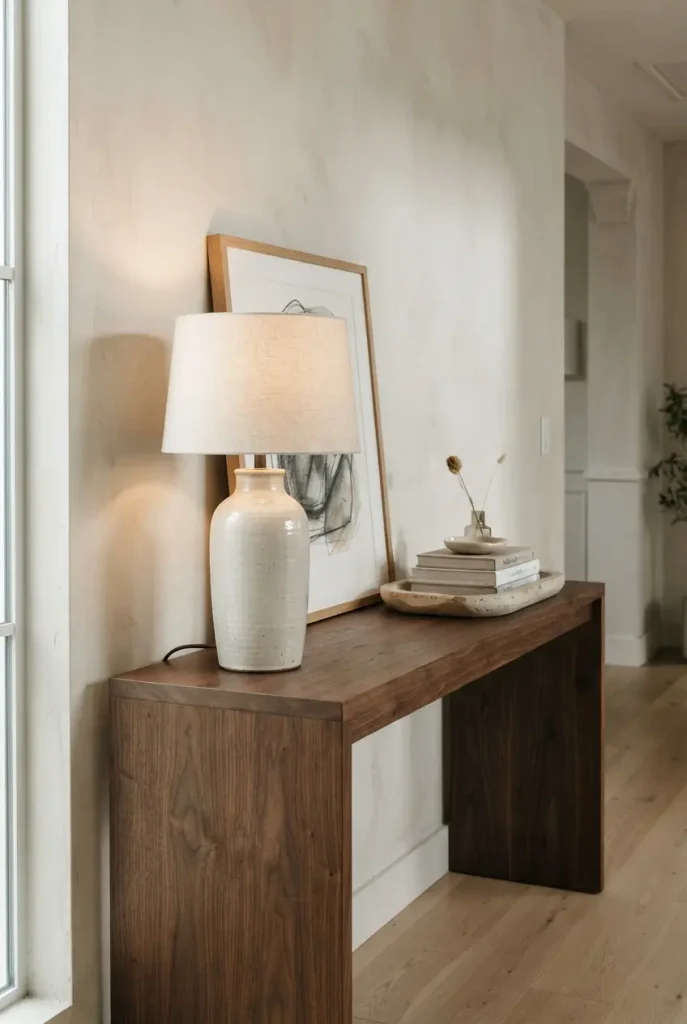
A console arrangement often looks more balanced when the accessories have different heights. Start with one tall object such as a lamp, branch arrangement, or narrow vase. Add something medium-sized such as framed artwork or a sculptural vessel, then finish with a lower tray, books, or small bowl. This creates a natural visual rhythm instead of a row of objects that all sit at the same level. Leave part of the console surface empty so the furniture remains functional. The same principle can be used on bedroom dressers, dining buffets, and entry tables.
37. Add a Textured Accent Wall
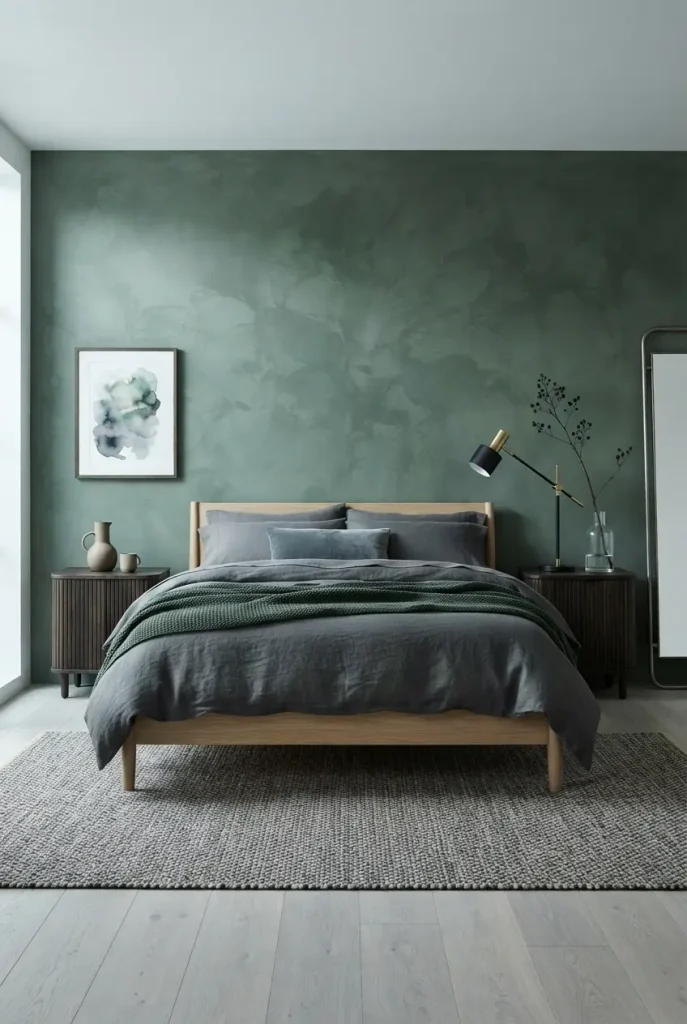
A textured wall can give a modern room dimension without relying on a strong paint color. Limewash-inspired finishes, subtle plaster, microcement, textured wallpaper, or other tactile surfaces can create depth when used selectively. Because the wall itself becomes a visual feature, surrounding furniture should remain relatively restrained. A textured wall works especially well behind a bed, sofa, dining table, or console. Consider the practical demands of the room before choosing a finish, especially in spaces exposed to moisture or heavy use.
38. Bring Artwork Into Unexpected Spaces
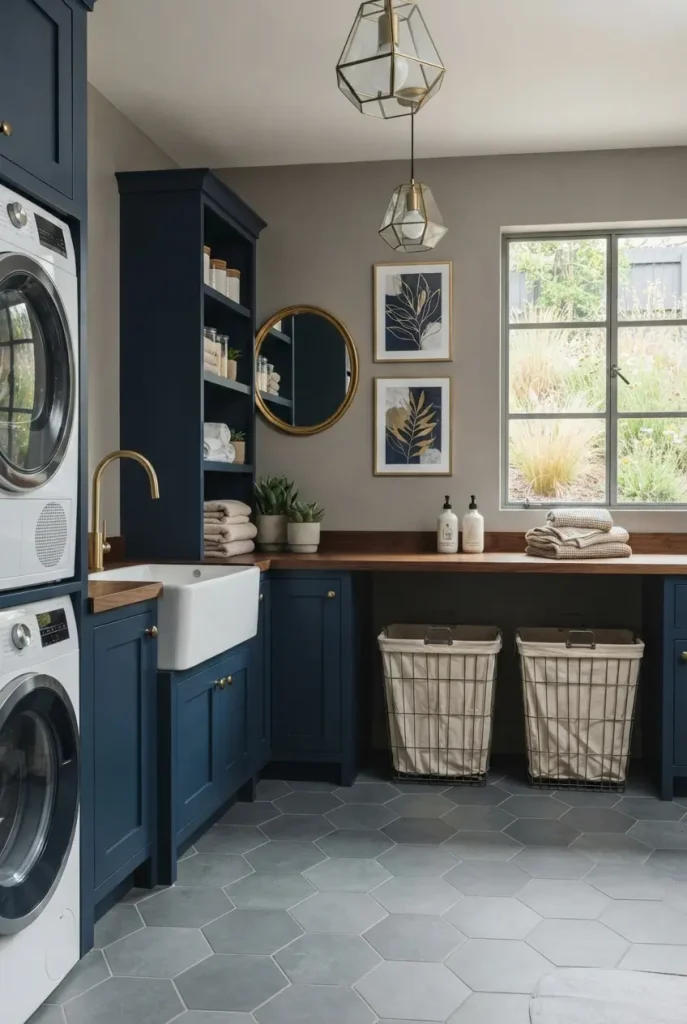
Artwork doesn’t need to be limited to the living room or bedroom. A thoughtfully chosen piece can make a hallway, laundry room, bathroom, kitchen, or home office feel more connected to the rest of the home. In smaller practical spaces, one artwork can provide enough personality without requiring a large gallery wall. Consider the environment when choosing the material and placement, particularly in areas exposed to moisture or splashes. Artwork can also help repeat a color found elsewhere in the home, creating subtle continuity. The goal is to make practical spaces feel intentionally designed rather than forgotten.
39. Use a Gallery Wall With More Breathing Room
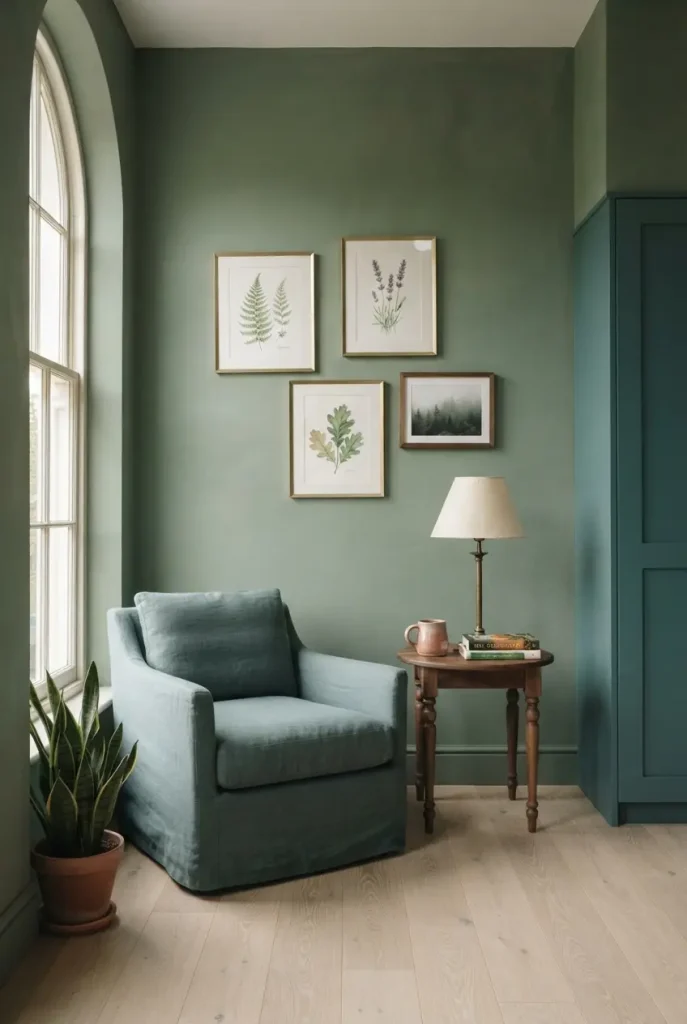
A gallery wall can look modern when the arrangement feels curated instead of tightly packed. Mix photography, abstract art, line drawings, and simple frames while keeping a loose connection through color or subject matter. Allow intentional gaps between pieces rather than filling every inch of wall. Before hanging everything, arrange the pieces on the floor so you can adjust the overall shape and balance. Different frame styles can work together when the artwork itself provides a visual connection. The finished display should feel collected over time rather than perfectly uniform.
40. Add a Statement Headboard
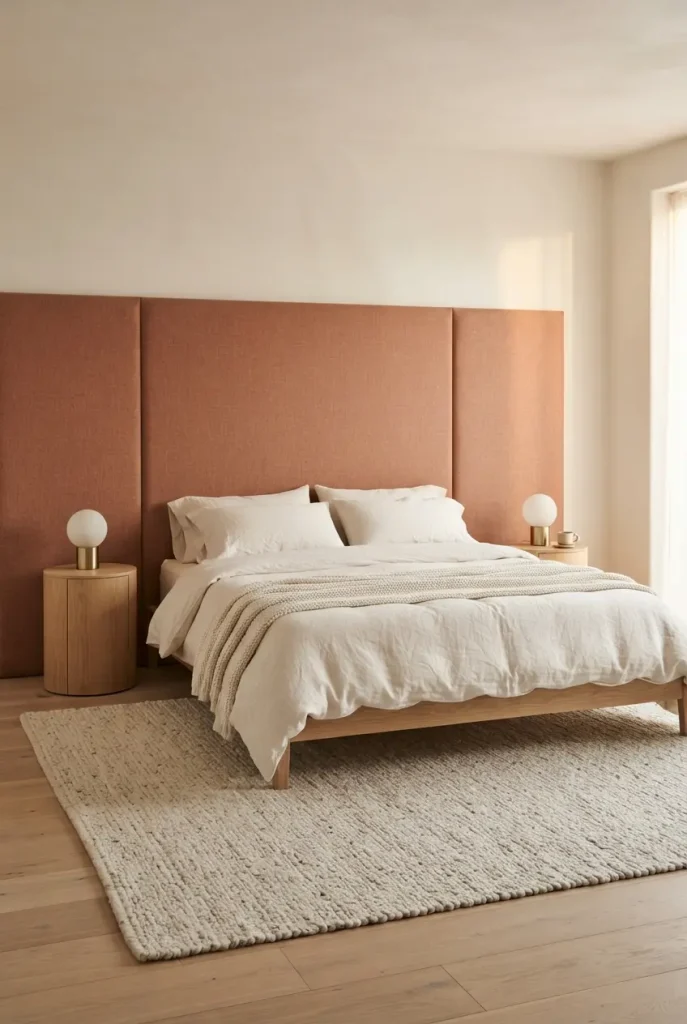
A statement headboard can immediately establish the personality of a bedroom. Consider a tall upholstered design, wide wood panel, textured plaster backdrop, or built-in wall treatment behind the bed. The headboard should become the primary focal point, so bedside tables, lamps, and accessories can remain relatively simple. In a small bedroom, a wide treatment can visually unify the bed area and make the room feel more deliberate. Choose a material that works with the rest of the room’s texture and color palette rather than treating the headboard as an isolated feature.
41. Use Closed Storage to Reduce Visual Noise
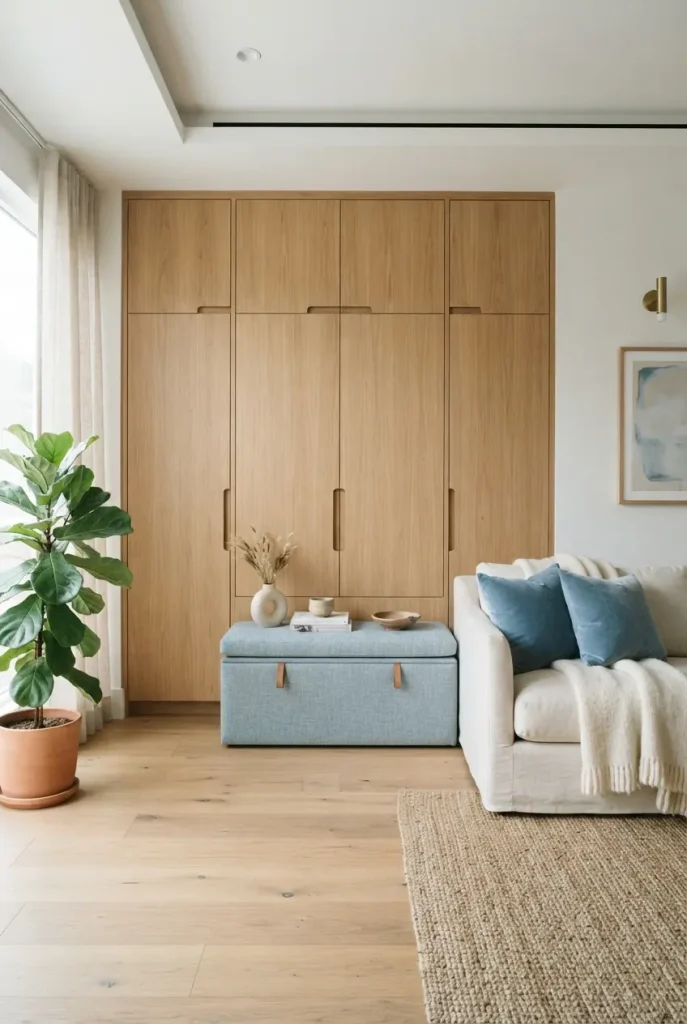
Modern rooms often feel calmer when everyday necessities have somewhere to disappear. Closed cabinets, drawers, storage ottomans, baskets with lids, and built-in cupboards can keep clutter contained while allowing a few decorative pieces to remain visible. Start by identifying where clutter naturally collects rather than adding storage simply because a product looks attractive. Family rooms may need concealed toy and electronics storage, while entryways benefit from shoe and bag storage. Keeping practical items contained makes the visible objects more meaningful. The result is a room that feels organized without becoming overly minimal.
42. Introduce Handmade Ceramics
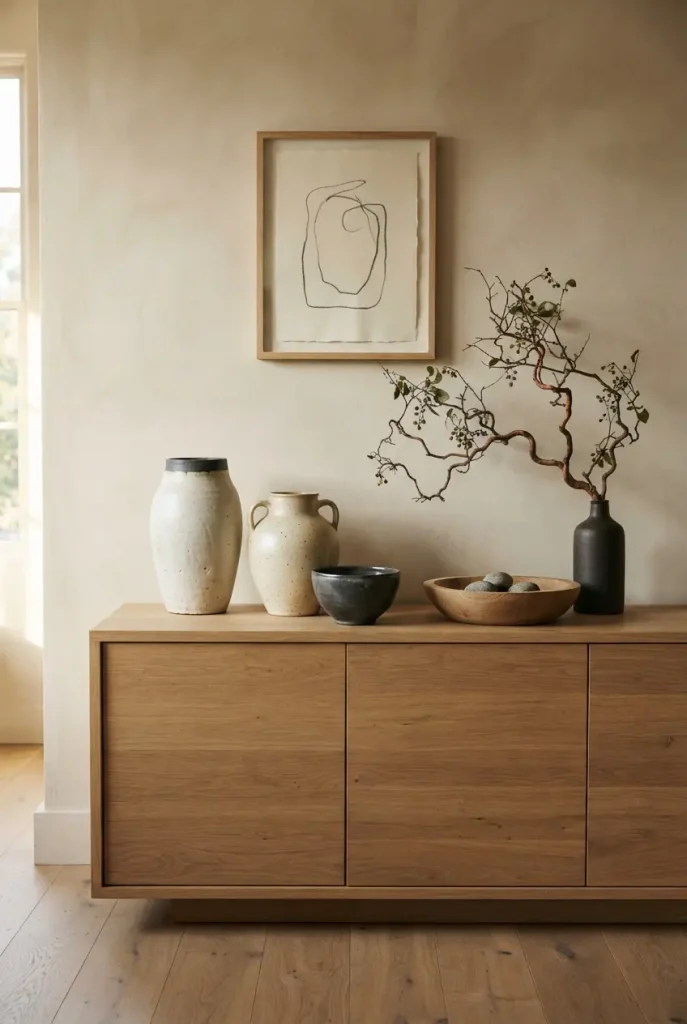
Handmade ceramics can add subtle character to clean modern spaces because their small irregularities contrast beautifully with precise furniture and architecture. Use ceramic bowls, vases, planters, lamps, or sculptural vessels on consoles, shelves, dining tables, or kitchen counters. Choose a few pieces with different heights and shapes instead of filling every surface. Natural glaze variation can introduce interest without requiring bold colors. Handmade pieces also work particularly well with wood, stone, linen, and other natural materials. Their purpose is to add character rather than create another collection that overwhelms the room.
43. Rework an Awkward Nook
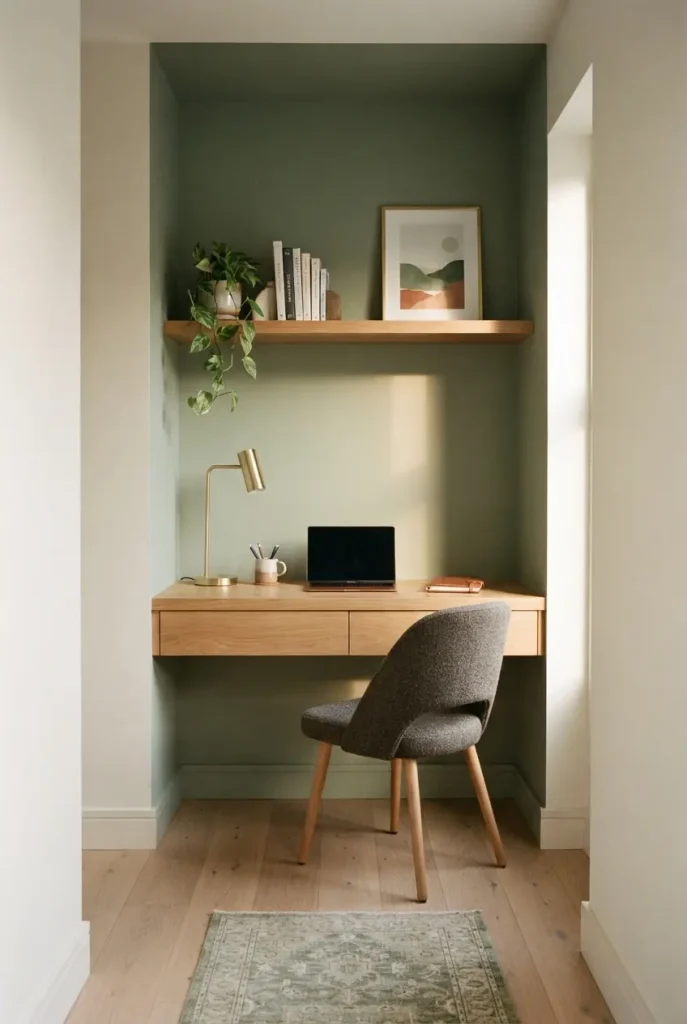
An awkward recess doesn’t have to remain an unused part of the home. Depending on its location, it could become a compact desk, beverage station, reading nook, display niche, or closed storage area. Measure the space carefully before purchasing furniture so the finished arrangement feels intentionally designed for the nook. Built-in or semi-custom pieces can make unusual dimensions work particularly well. A different wall color or material can also help define the area. Giving the nook a clear purpose makes an architectural inconvenience feel like a useful feature.
44. Mix Materials Around the Kitchen Island
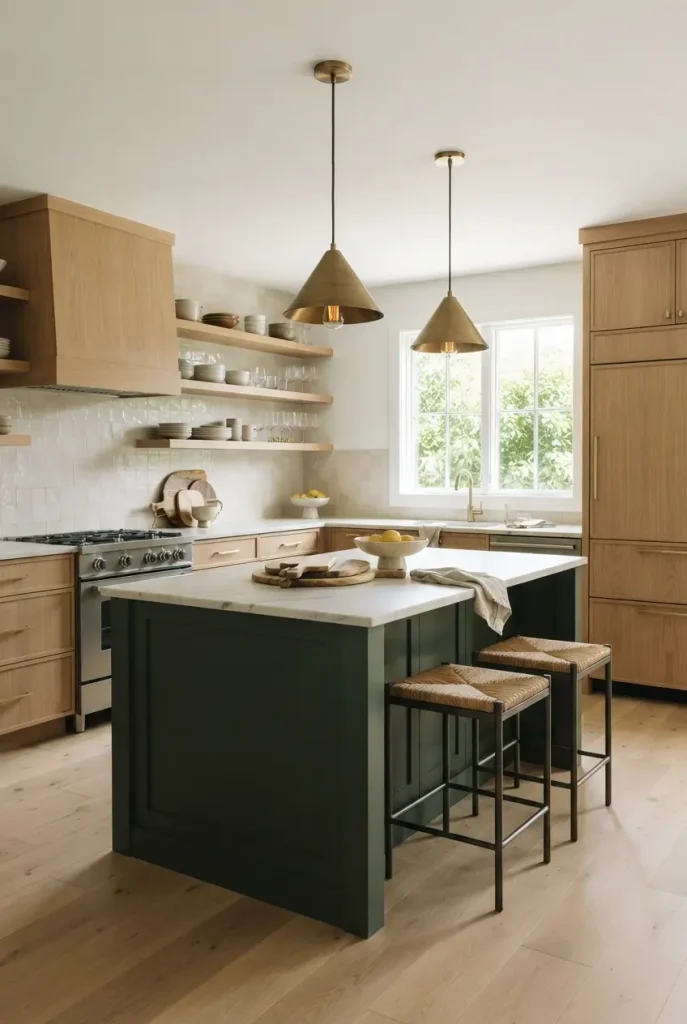
A kitchen island can become more visually interesting when its finish differs slightly from the surrounding cabinetry. Consider a painted island paired with wood perimeter cabinets, a contrasting stone countertop, fluted paneling, or another material that clearly distinguishes the island. This makes the island feel more like a piece of furniture within the kitchen. The difference should still connect with the overall palette so it looks intentional. For example, a deep green island can work beautifully with warm oak cabinets and pale stone. Avoid introducing too many unrelated finishes because the kitchen still needs visual cohesion.
45. Finish With a Personal Styling Layer
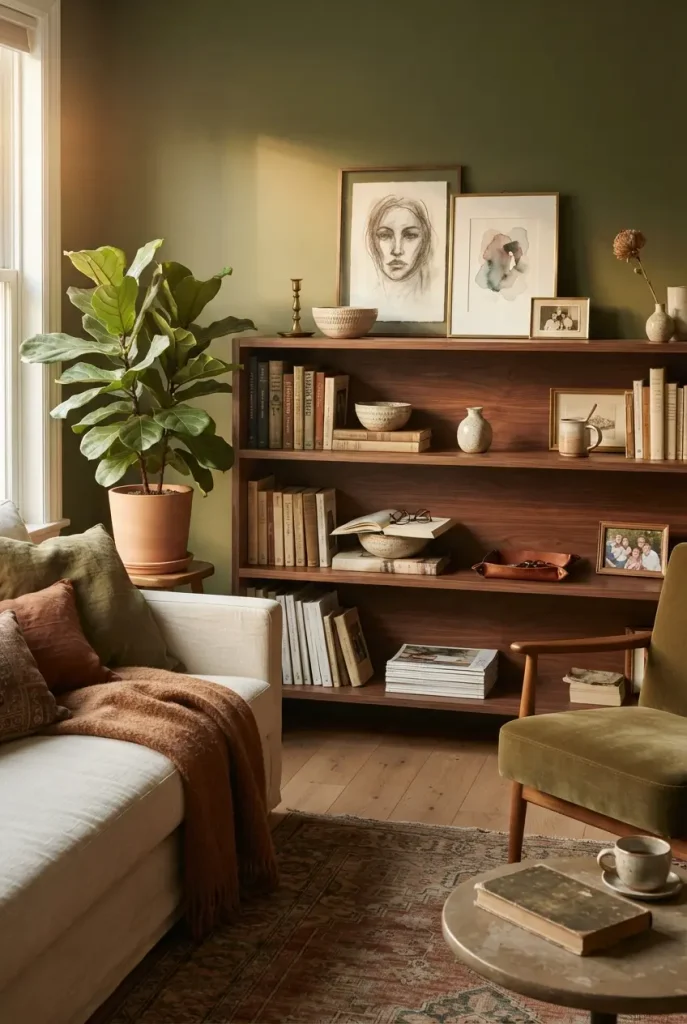
The final layer is what prevents modern home decor from feeling like a showroom. Add a few objects that reflect the people who actually live in the home, such as favorite books, collected ceramics, meaningful artwork, family photographs, plants, handmade pieces, or travel finds. These objects don’t need to match perfectly. In fact, a little variation often makes a room feel more authentic and lived in. The key is editing: choose pieces that contribute to the room’s story while leaving enough open space for the furniture and architecture to remain visible. A modern home feels freshest when its clean foundation is balanced by personality and memory.
Before: A room may contain beautiful furniture but still feel generic when every surface uses identical decorative objects.
After: A smaller collection of meaningful pieces introduces personality, variation, and visual warmth while preserving the modern foundation.