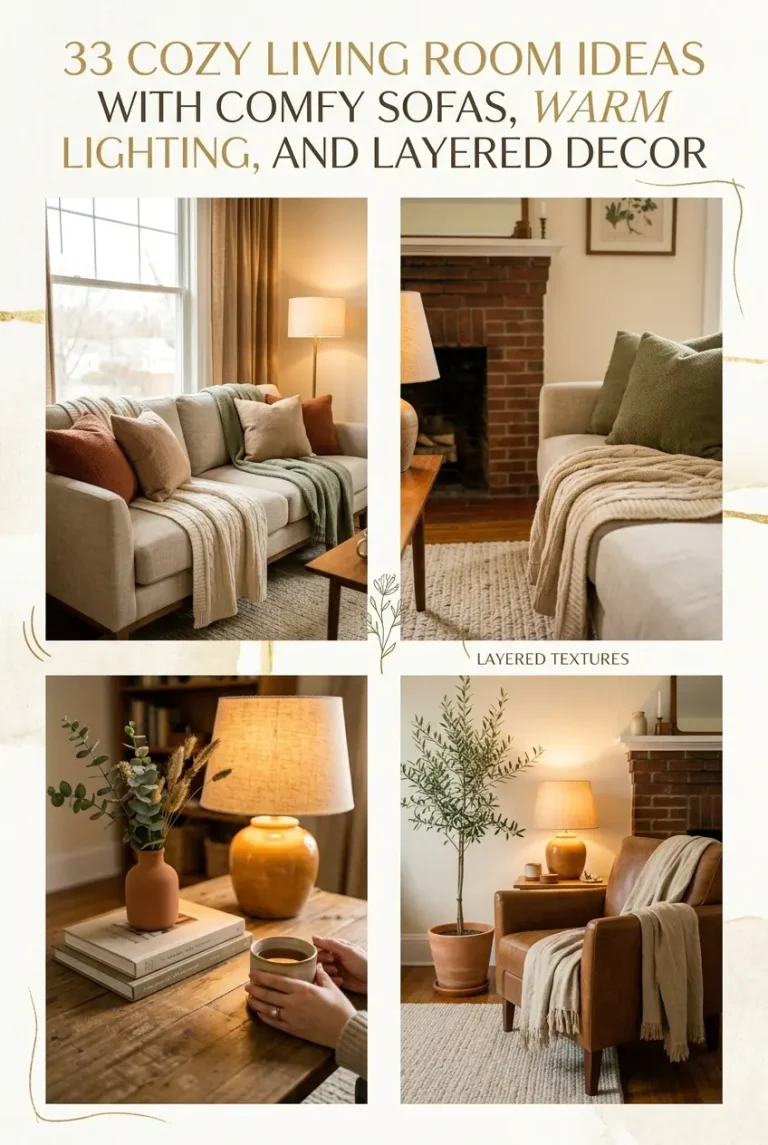
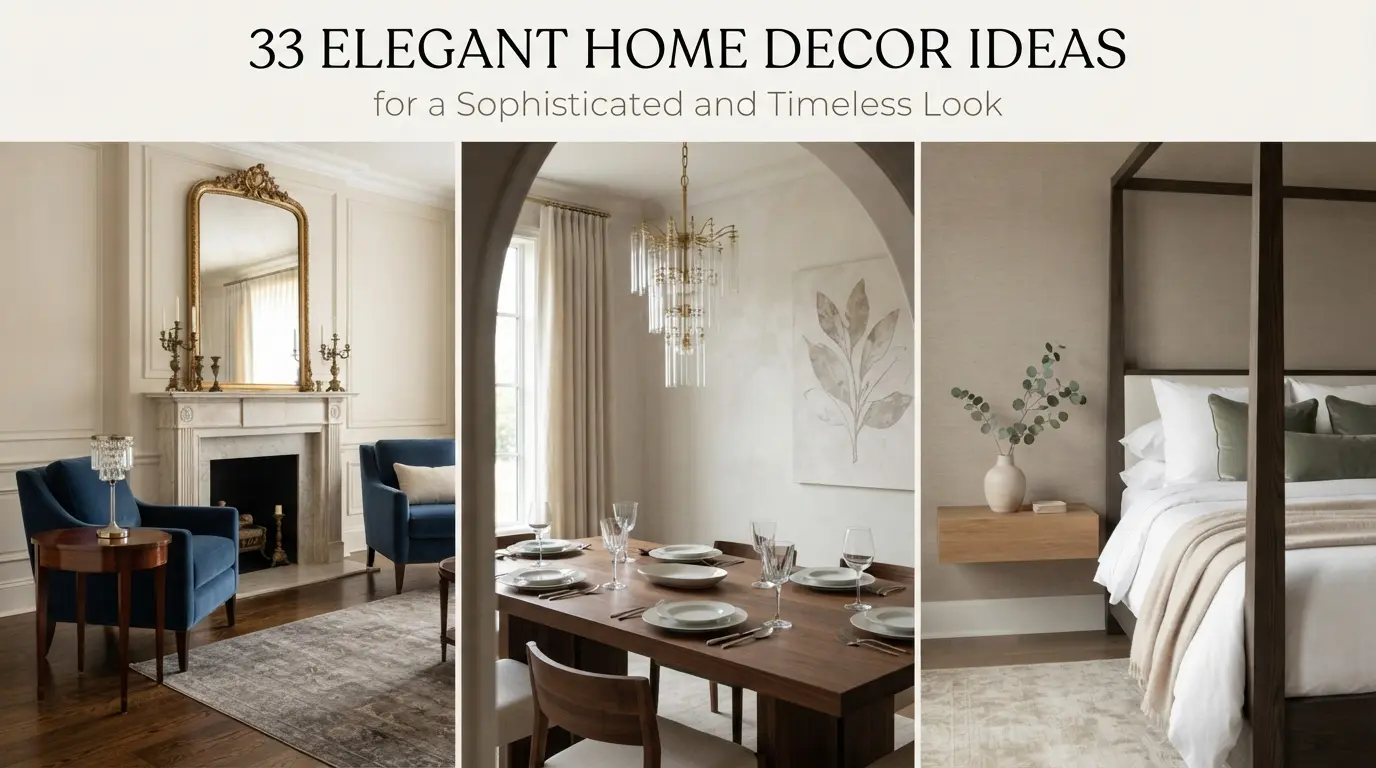
33 Elegant Home Decor Ideas for a Sophisticated and Timeless Look
Elegant home decor ideas can make a home feel polished, comfortable, and beautifully collected without making it look overly formal or trendy. The secret to a timeless interior is usually a thoughtful combination of proportion, quality materials, restrained color, interesting texture, and furniture that feels comfortable enough for everyday American living. Instead of filling every room with expensive pieces, focus on creating a strong foundation with classic shapes and then layer in personality through artwork, lighting, textiles, antiques, and carefully chosen accessories. These 33 elegant home decor ideas explore sophisticated approaches for living rooms, bedrooms, kitchens, dining spaces, bathrooms, entryways, offices, and other areas of the home. Each concept is designed to feel refined today while remaining attractive years from now. Whether you prefer traditional details, contemporary simplicity, warm transitional interiors, or a collected European-inspired atmosphere, these ideas can help you create a home that feels elegant without becoming predictable.
1. Choose a Classic Neutral Sofa With Architectural Shape
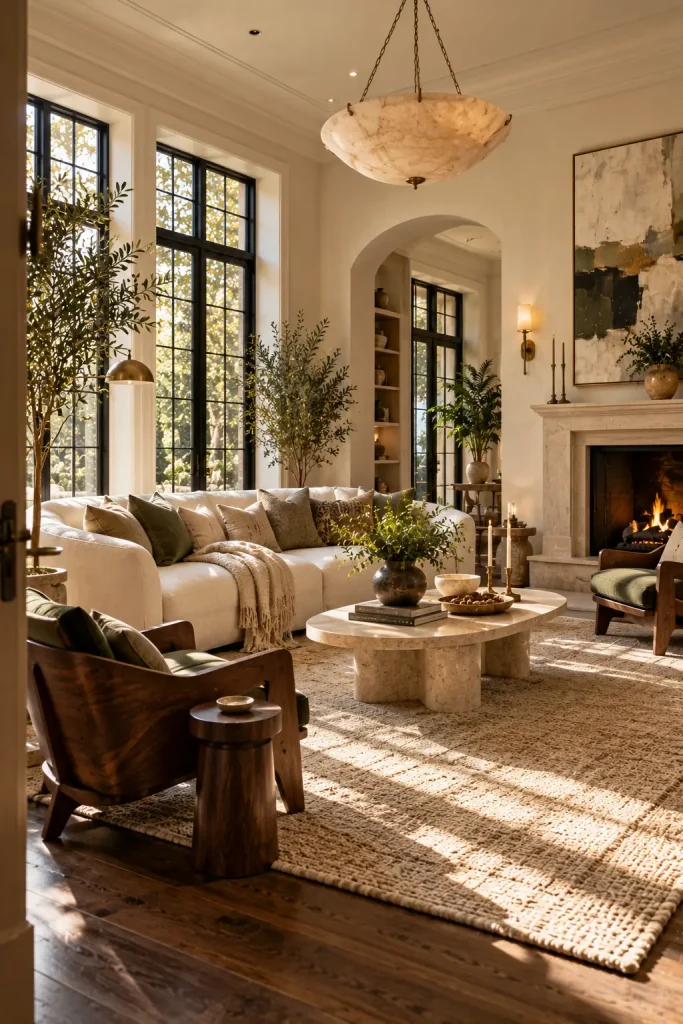
A beautifully shaped neutral sofa is one of the easiest foundations for sophisticated home decor because it can remain relevant through changing trends. Instead of selecting an overly ornate design, look for clean proportions, generous cushions, and a silhouette that feels substantial without overwhelming the room. Warm ivory, oatmeal, mushroom, or soft taupe upholstery can work with traditional, transitional, and contemporary interiors. Add interest through curved arms, a deep seat, tailored piping, or subtly textured fabric rather than relying on a bold pattern. Layer the sofa with a few pillows in different materials such as linen, velvet, and woven wool. A substantial coffee table in stone or wood can make the seating arrangement feel grounded. Keep enough open space around the sofa so the room feels calm rather than crowded. This approach works particularly well in American living rooms where comfort and durability need to coexist with a polished appearance.
2. Add Crown Molding for Quiet Architectural Elegance
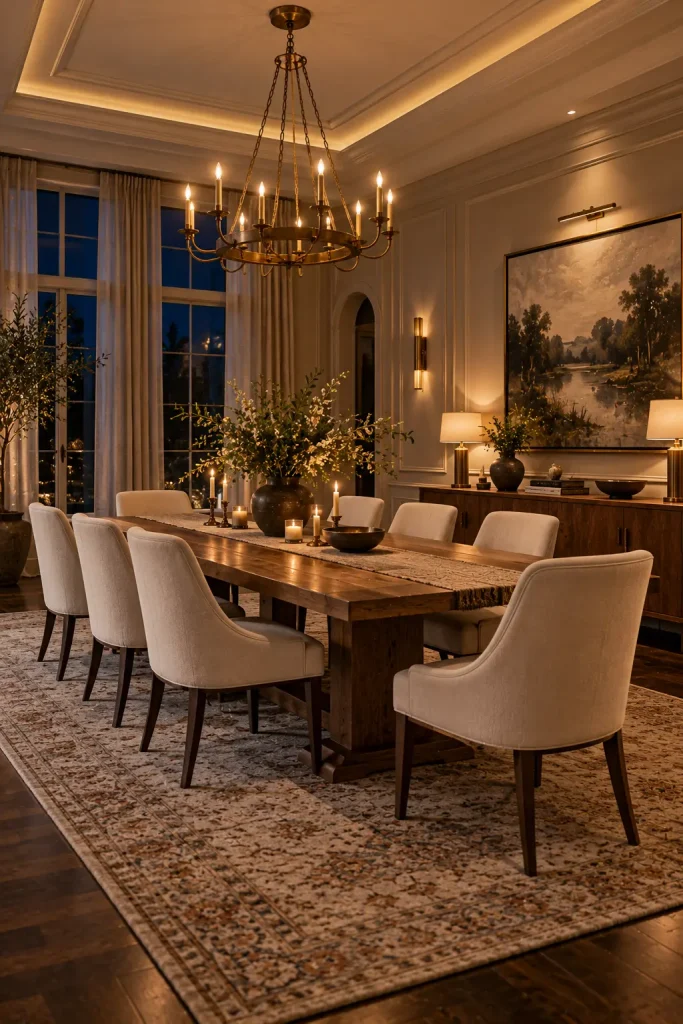
Crown molding can instantly give a room more architectural presence, especially when the existing walls feel plain or visually unfinished. The most timeless approach is to choose molding that relates to the scale and period of the house instead of using an oversized profile simply because it looks dramatic. Traditional American homes can handle more decorative molding, while newer residences often benefit from simpler stepped or recessed profiles. Painting the molding the same color as the walls creates a subtle, sophisticated effect, while a soft contrast can make the architecture more noticeable. Continue the molding consistently around the room so it feels like part of the structure. Pair it with restrained furniture and elegant lighting rather than filling the room with ornate accessories. Molding works especially well in dining rooms, living rooms, bedrooms, and hallways. It can make even a relatively simple room feel custom and thoughtfully finished.
3. Use Marble as a Refined Accent
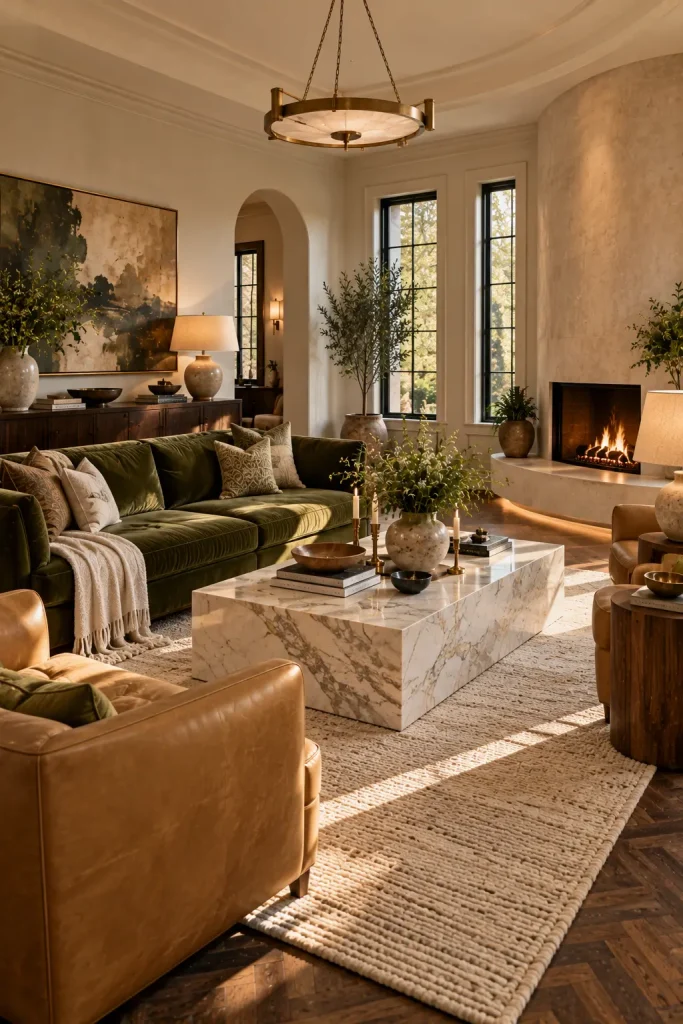
Marble does not need to dominate an entire room to create a luxurious impression. A small marble coffee table, fireplace surround, bathroom vanity, console top, or kitchen island can introduce natural movement and sophistication without making the space feel overly formal. Look for stone with soft veining rather than choosing the most dramatic slab available. Warm marble can pair beautifully with walnut and brass, while cooler varieties work well with blackened metal and pale oak. Because marble already contains natural visual variation, keep surrounding materials relatively calm. The stone should become one important layer within the room rather than competing with artwork, textiles, and furniture. Honed finishes can provide a softer, more timeless appearance than highly polished surfaces. In everyday American homes, marble is especially effective when used strategically in areas that benefit from a durable, substantial material with unmistakable character.
4. Layer Linen Curtains From Ceiling to Floor
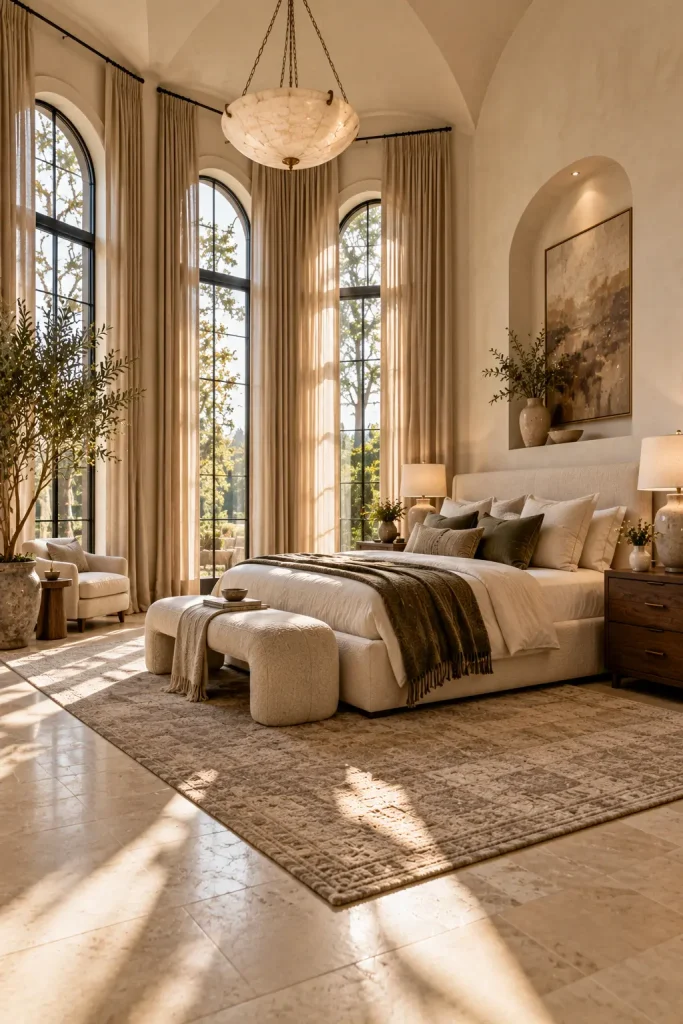
Full-length linen curtains can make a room feel taller, softer, and more finished without changing its architecture. Hanging the curtain hardware close to the ceiling visually extends the height of the room and allows the fabric to frame the windows elegantly. Choose a warm ivory, natural flax, soft gray, or muted taupe rather than a stark white if you want a more sophisticated appearance. Let the curtains gently break or just skim the floor depending on the desired look. When open, they should stack outside the main window area so natural light is not unnecessarily blocked. Linen is especially attractive because its subtle irregularity prevents the room from feeling too perfect. Combine it with tailored furniture, wood, stone, and aged metal for a balanced composition. This simple window treatment can make a living room or bedroom feel significantly more polished while remaining relaxed enough for everyday life.
5. Mix Walnut Furniture With Soft Neutral Upholstery
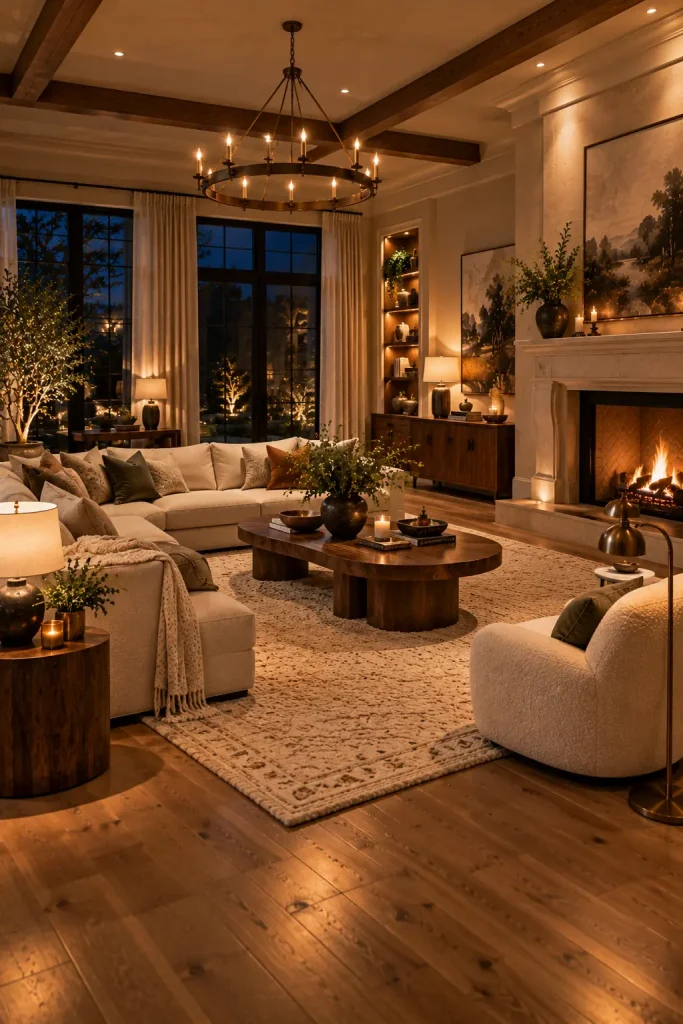
Walnut brings warmth, depth, and visual sophistication to a room without needing elaborate ornamentation. Pairing it with cream, ivory, beige, or soft gray upholstery creates an elegant contrast that feels both contemporary and timeless. A walnut credenza, coffee table, console, or bed frame can provide enough natural richness to prevent a neutral room from becoming flat. Look for furniture with strong but simple silhouettes so the wood remains the visual feature. Mixing walnut with brass or bronze accents can add another layer of warmth. Avoid using too many matching walnut pieces because a room can quickly begin to resemble a coordinated furniture set. Instead, vary the shapes and finishes slightly so the space feels collected over time. This combination is particularly effective in American interiors because it can transition comfortably between traditional, mid-century, transitional, and contemporary styles.
6. Choose an Oversized Statement Mirror
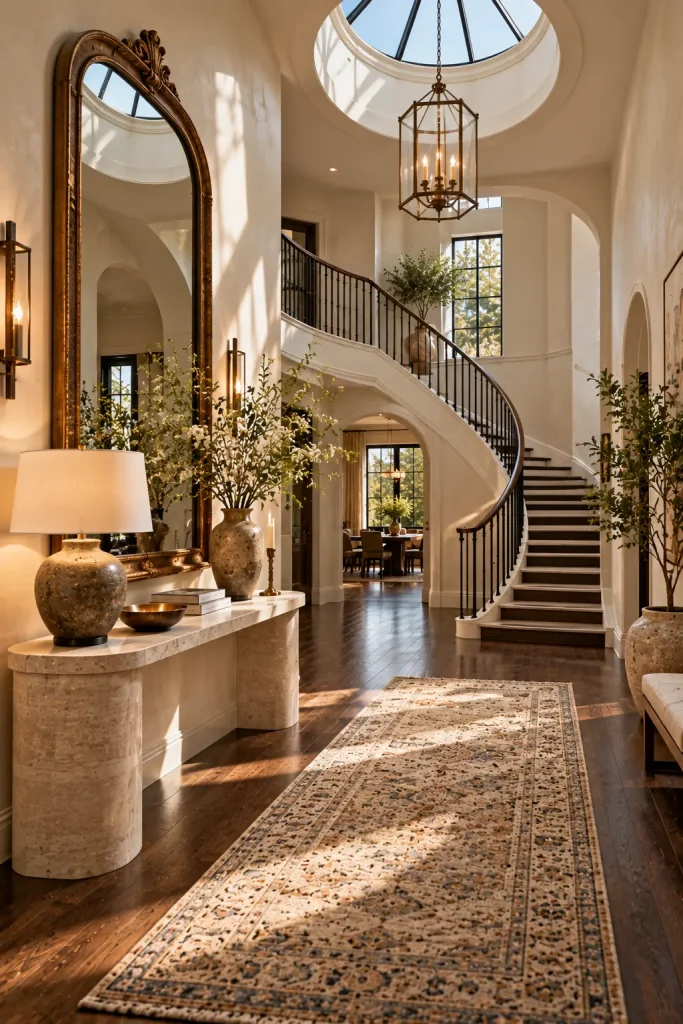
An oversized mirror can create an elegant focal point while making a room feel larger and brighter. Rather than using several small decorative mirrors, select one substantial piece with a frame that complements the room’s architecture. A thin aged-brass frame can feel glamorous, while dark wood can create a more traditional effect. Position the mirror where it reflects a window, attractive artwork, a chandelier, or another visually appealing part of the room. Avoid placing it directly opposite clutter because the reflection will amplify the visual noise. Large mirrors work particularly well above fireplaces, behind consoles, in dining rooms, and at the end of hallways. The scale should be generous enough that the mirror feels architectural rather than incidental. This is an especially useful elegant home decor idea for rooms that need more light and visual depth without adding additional furniture.
7. Create a Timeless Gallery Wall
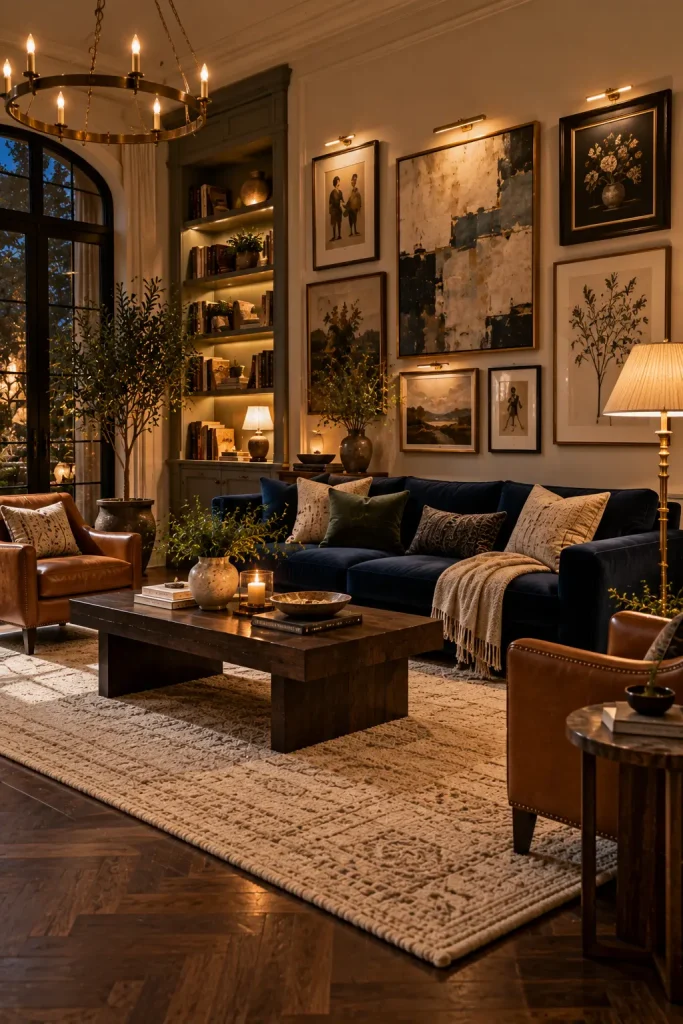
A carefully curated gallery wall can make a home feel personal and sophisticated when the artwork is selected as a collection rather than as unrelated decorations. Choose several pieces with different sizes but a common visual thread, such as similar tones, frame finishes, subject matter, or artistic mood. Black, walnut, antique brass, and natural oak frames can all work in an elegant home depending on the surrounding materials. Leave enough space between pieces for each artwork to remain visually distinct. Start by positioning the largest artwork first, then balance it with smaller pieces around it. The collection does not need to be perfectly symmetrical, but the overall arrangement should feel deliberate. Avoid filling every inch of the wall because negative space makes the gallery feel more refined. A gallery wall is especially effective above a sofa, along a stair landing, or in a dining room.
8. Introduce Aged Brass Lighting
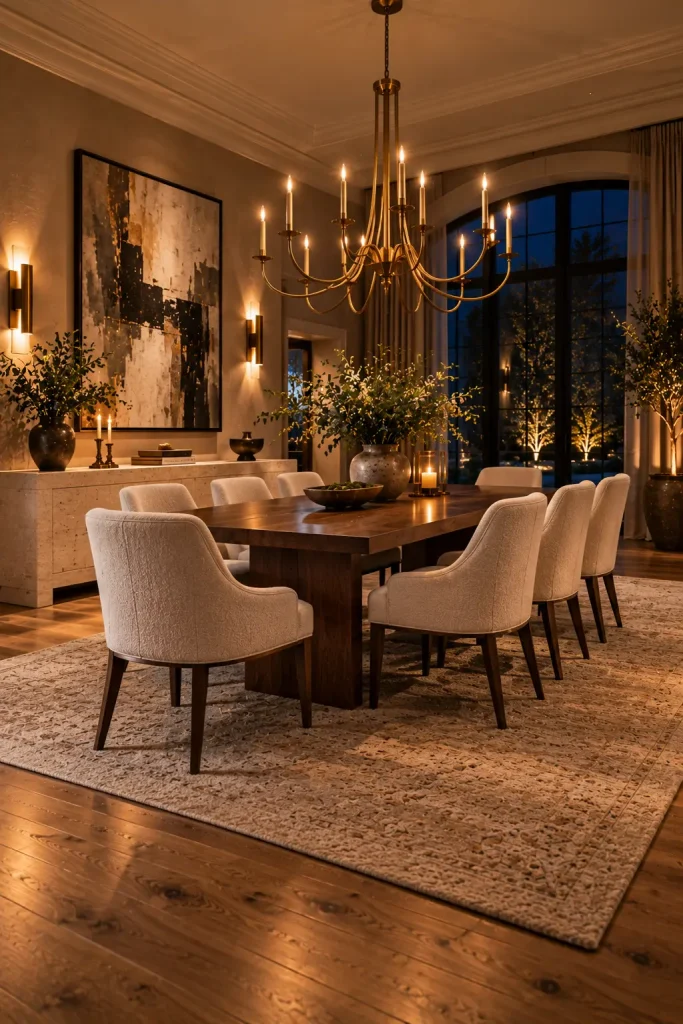
Aged brass lighting can instantly make a room feel warmer and more established than shiny modern metal. The slightly muted finish works beautifully with walnut, marble, painted cabinetry, linen, and deep colors. Use brass in one major fixture or repeat it subtly through sconces, table lamps, cabinet hardware, and small accessories. A large chandelier can become a focal point in a dining room, while smaller brass sconces can provide a more understated effect in bedrooms and hallways. Avoid using identical brass fixtures everywhere because the room should feel collected rather than matched. The patina should look authentic, with slight tonal variation rather than an artificially perfect metallic finish. Warm bulbs are especially important because they emphasize the golden quality of aged brass after sunset. This is a simple way to bring timeless elegance into both traditional and contemporary interiors.
9. Use One Deep Accent Color
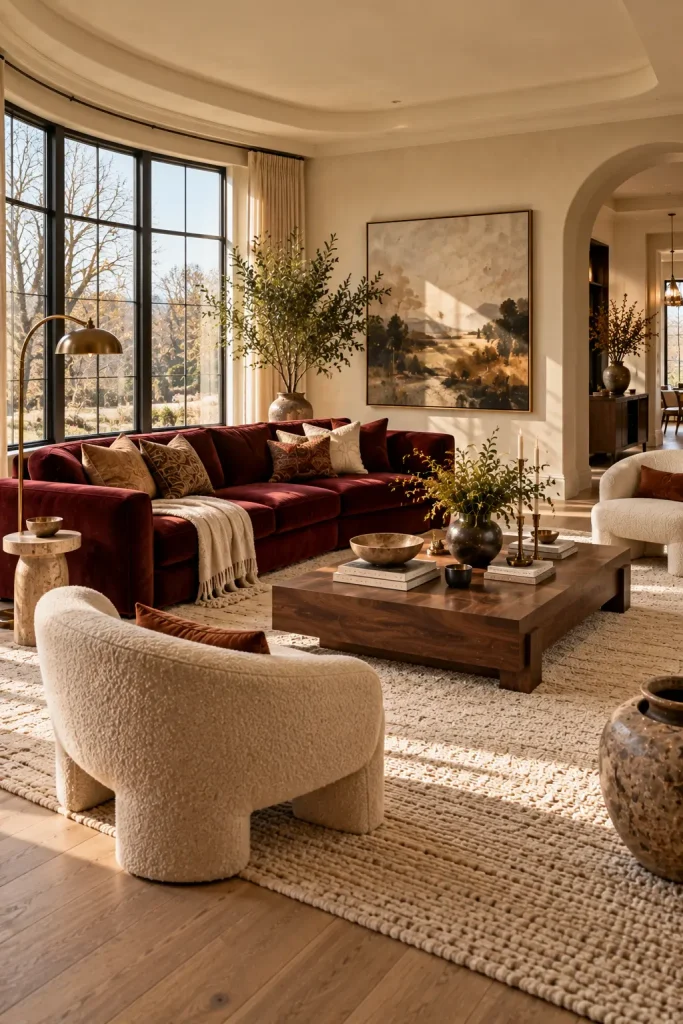
A sophisticated interior does not need to be entirely neutral. One deep accent color can provide depth and personality while allowing the rest of the room to remain timeless. Forest green, oxblood, navy, espresso, charcoal, or muted plum can work particularly well when introduced through a sofa, chair, rug, curtains, or cabinetry. The accent should appear substantial enough to feel intentional rather than scattered through tiny accessories. Balance it with warm neutrals and natural materials such as wood, stone, linen, and wool. If the room receives limited daylight, consider how the deeper color will appear under warm artificial lighting. A rich accent can make a neutral room feel more sophisticated without turning it into a trend-driven space. The key is restraint: one strong color is often more elegant than five competing shades.
10. Decorate With Fresh Greenery in Elegant Vessels
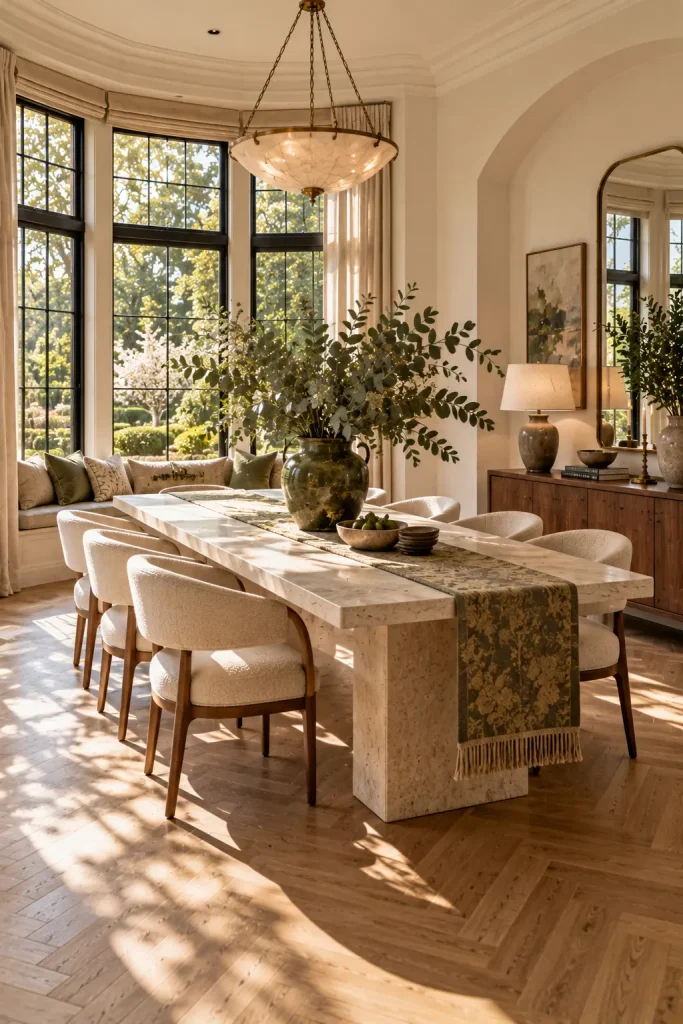
Fresh greenery can soften sophisticated interiors and introduce life without relying on bright floral colors. Instead of filling every surface with small arrangements, choose one or two substantial branches in sculptural vessels. Olive branches, eucalyptus, magnolia, seasonal foliage, or leafy stems can work beautifully depending on the room. Use vessels made from ceramic, stone, glass, or aged metal that complement the surrounding furniture. Allow the natural shapes of the branches to remain slightly irregular so the arrangement does not look overly engineered. Place greenery on a dining table, console, kitchen island, or fireplace mantel where it can become a subtle focal point. Fresh greenery is particularly effective in elegant interiors because it prevents formal materials such as marble and brass from feeling too serious. The result is sophisticated, organic, and easy to update throughout the year.
11. Select a Classic Marble Fireplace
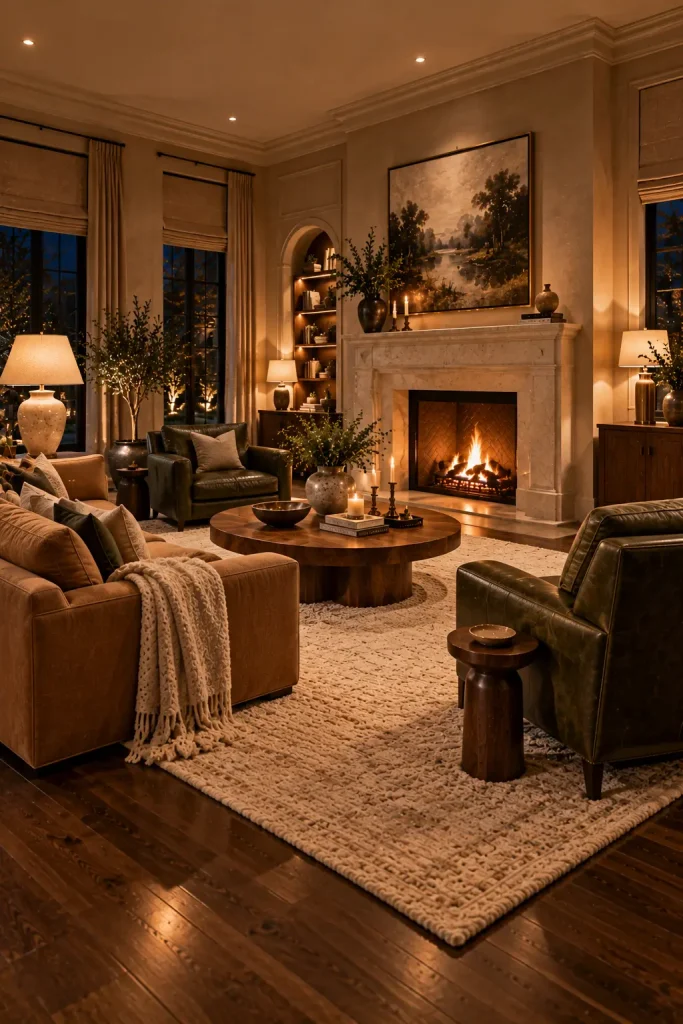
A fireplace can serve as one of the strongest architectural anchors in a sophisticated home. A marble surround with restrained veining can feel timeless across many decorating styles, especially when paired with simple furniture and warm lighting. Choose a profile that relates to the architecture rather than selecting an overly ornate mantel. A honed finish often provides a softer, more contemporary appearance, while polished stone can feel more formal. Keep the mantel styling simple with one artwork, mirror, vase, or pair of candlesticks rather than filling the entire surface. Furniture should be arranged so the fireplace feels integrated into the room instead of functioning like a decorative backdrop. Natural wood, linen, wool, and aged metal can soften the stone’s formality. This approach works particularly well in living rooms, libraries, and formal sitting rooms where a permanent focal point is valuable.
12. Create a Tailored Dining Room
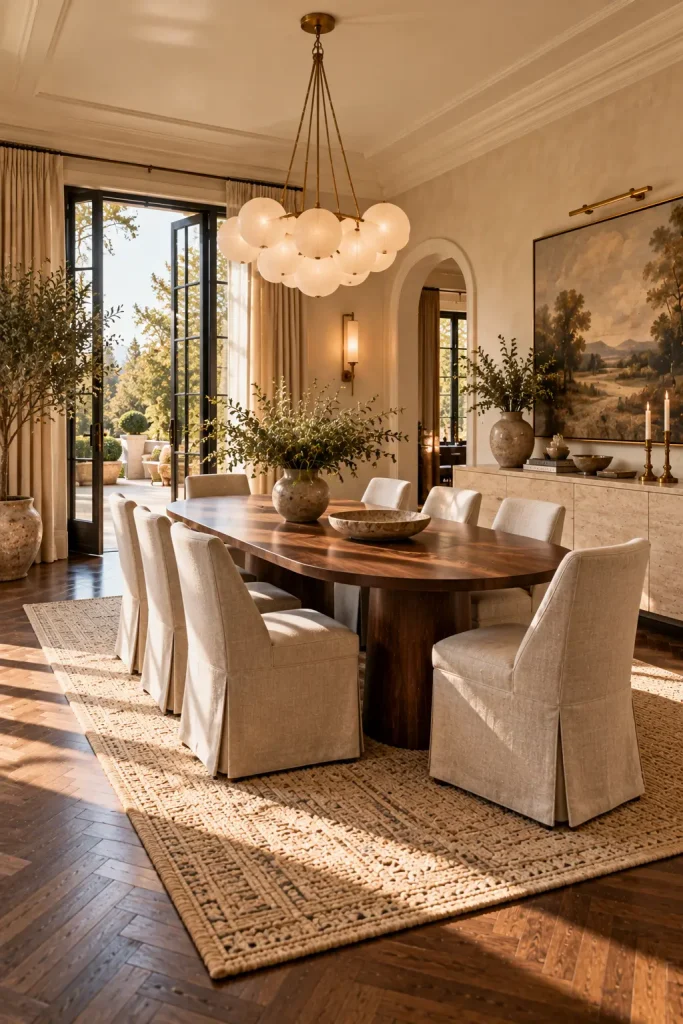
A tailored dining room relies on proportion and simplicity rather than excessive decoration. Start with a substantial dining table whose size fits the room comfortably and allows guests to move around it. Upholstered chairs can add softness and make longer meals more comfortable. A restrained chandelier positioned at the correct height provides both illumination and architectural focus. Add one substantial artwork or mirror rather than covering every wall with decorations. A sideboard can provide useful storage for dinnerware and serving pieces while creating another visual anchor. Natural materials such as oak, walnut, linen, wool, and stone make the room feel established without becoming overly formal. The result should be sophisticated enough for entertaining but relaxed enough for an ordinary family dinner.
13. Choose Upholstered Dining Chairs
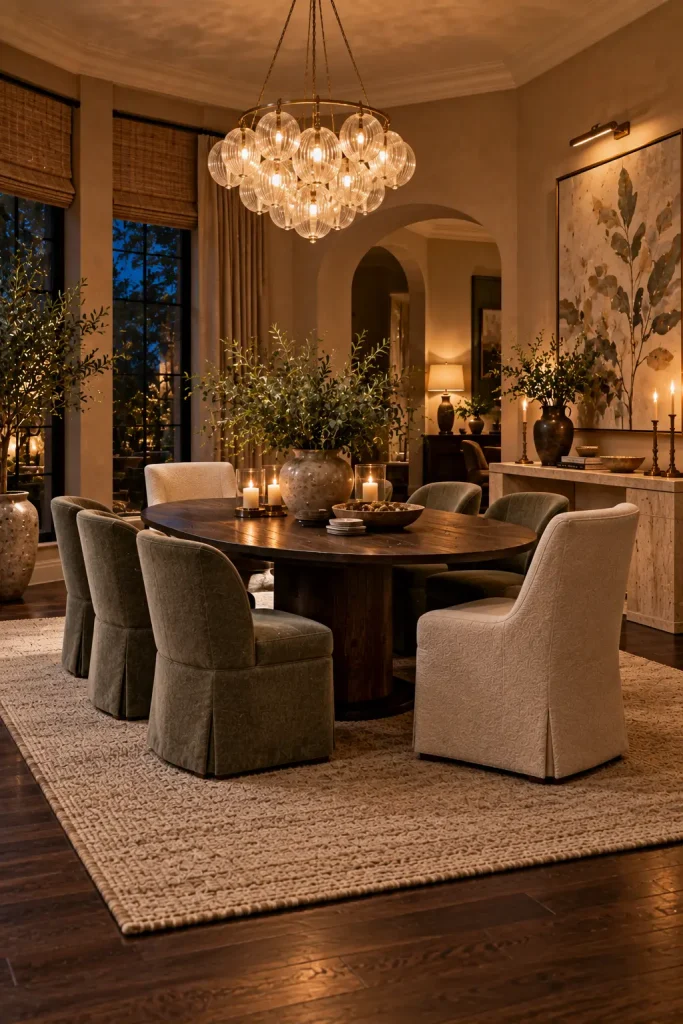
Upholstered dining chairs can make a dining room feel more luxurious while improving comfort for long dinners and gatherings. Neutral linen or textured fabric is a reliable choice for a timeless look, but muted greens, blues, and earthy shades can also work beautifully. Choose chair backs with elegant proportions rather than complicated ornamentation. Rounded silhouettes can soften a rectangular table, while structured chairs can complement a more traditional dining setting. Performance fabrics can be especially useful in American homes where dining areas receive regular family use. Mix the upholstery with natural wood, stone, or metal so the chairs feel like part of a larger material story. If you want additional visual interest, use a slightly different chair style at the ends of the table. This creates a collected appearance without sacrificing cohesion.
14. Use Built-In Bookshelves for a Collected Look
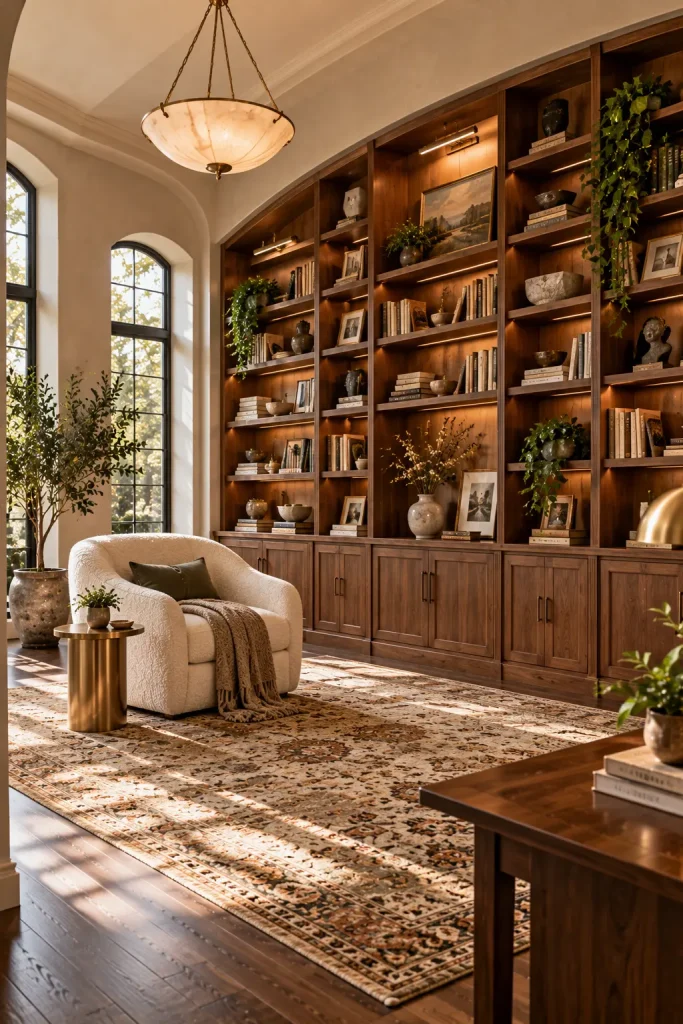
Built-in bookshelves can make a home feel established and personal because they provide an opportunity to display books, art, ceramics, photographs, and meaningful objects together. The key is to avoid filling every shelf completely. Mix horizontal and vertical stacks of books with open areas that allow the eye to rest. Add a few sculptural objects and plants at different heights to create variation. Closed lower cabinets can hide everyday clutter while keeping the upper shelves visually lighter. Paint the shelving a color related to the walls for a sophisticated integrated appearance, or use natural wood for warmth. Built-ins work especially well around fireplaces, in home offices, libraries, living rooms, and hallways. A carefully styled bookshelf can become both practical storage and a visual representation of the people who live in the home.
15. Add a Refined Entryway Bench
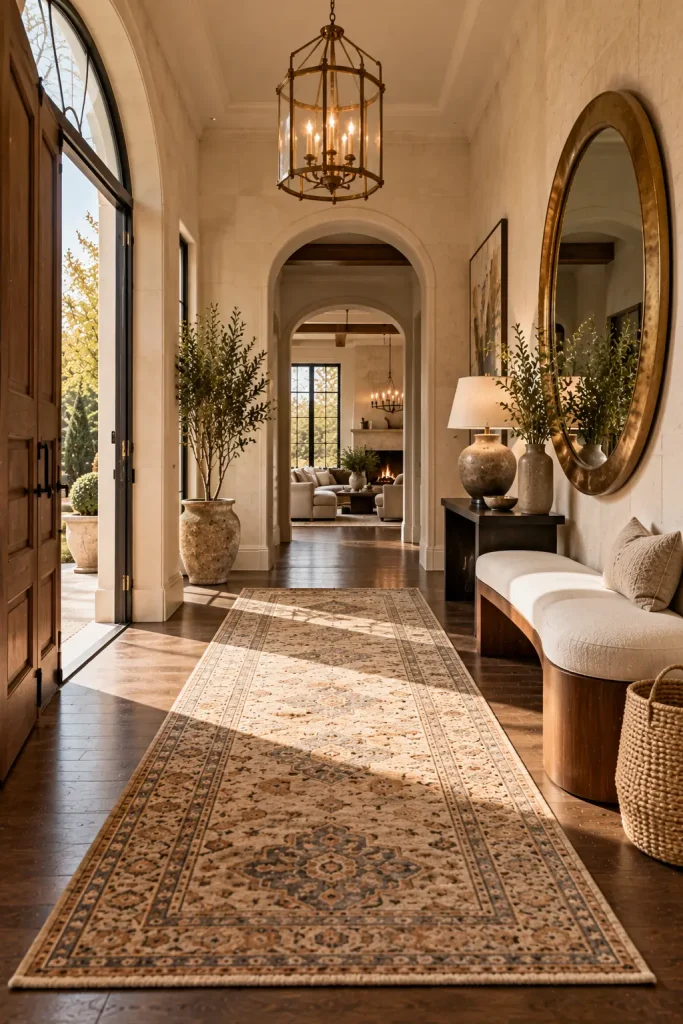
An entryway bench combines practical seating with an opportunity to introduce texture and personality. Choose a bench with a substantial but simple silhouette so it does not compete with the architecture. Upholstered linen or boucle can create softness, while walnut, oak, or dark-stained wood can make the area feel more established. Place a large mirror or artwork above the bench to create a vertical focal point. A narrow runner can add warmth and define the entry path. Baskets underneath the bench can provide discreet storage for shoes or everyday accessories. Keep the surrounding area relatively uncluttered because the entryway should feel welcoming immediately when someone walks through the door. This combination is especially useful in American homes where the entry often needs to accommodate coats, bags, shoes, and guests without looking like a utility zone.
16. Decorate With Antique-Inspired Ceramics
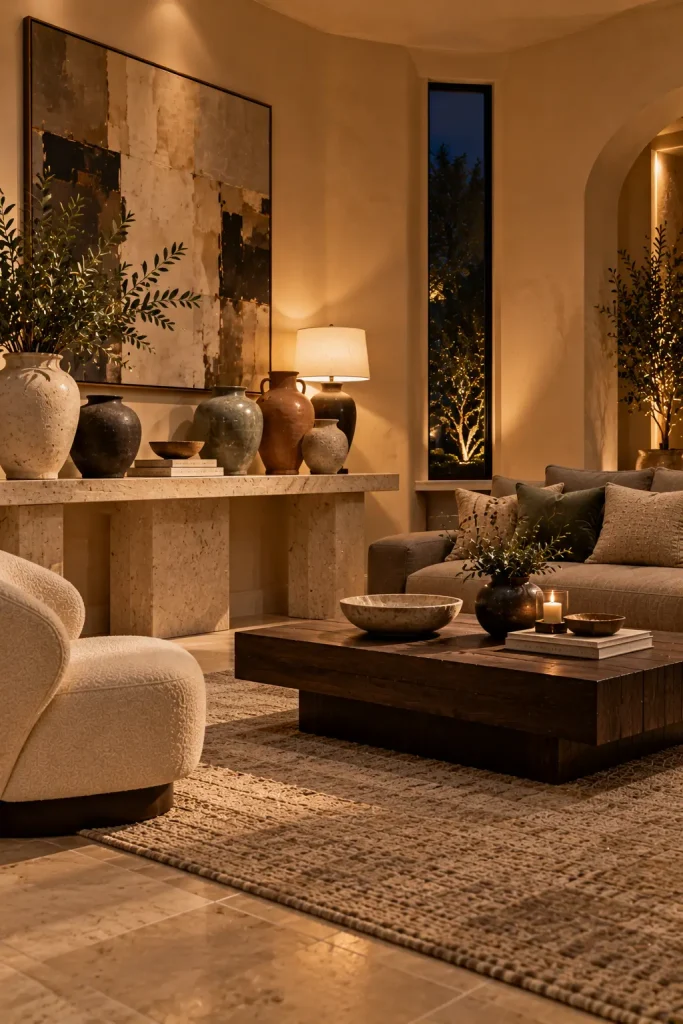
Ceramics can bring quiet personality to an elegant home without requiring expensive artwork or elaborate accessories. Choose pieces with irregular forms, aged surfaces, hand-painted details, or subtle glaze variation so they look collected rather than factory-perfect. Large vessels work well on floors, consoles, and dining tables, while smaller bowls and vases can be grouped on bookshelves. Keep the palette restrained so the ceramics complement the architecture instead of becoming visual clutter. Soft cream, charcoal, muted green, terracotta, and warm blue can all work in sophisticated interiors. Mix heights and shapes within one grouping to create a natural composition. One imperfect handmade piece can often provide more character than several identical decorative objects. This is an easy way to introduce craftsmanship and individuality into a timeless interior.
17. Select a Sculptural Coffee Table
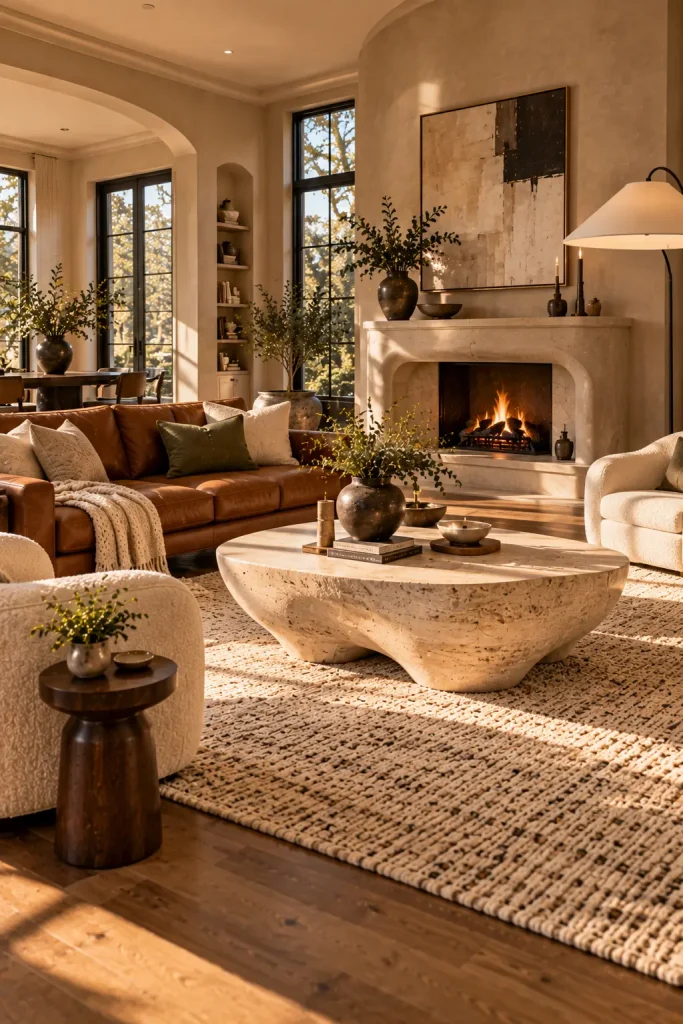
A coffee table can become the centerpiece of a living room when its shape is more distinctive than a standard rectangular design. Look for natural stone, dark wood, plaster, glass, or combinations of materials that create an interesting silhouette. Rounded, oval, irregular, or pedestal forms can soften a room filled with straight lines. Keep decorative objects minimal so the table remains useful for everyday drinks, books, and entertaining. A large table can help anchor a generous seating arrangement, while two smaller nesting tables may provide greater flexibility. Consider the height carefully in relation to the sofa and chairs. The most sophisticated designs balance sculptural appearance with genuine functionality. A beautiful table should look interesting even when the room is not styled for photography.
18. Create a Calm Monochromatic Bedroom
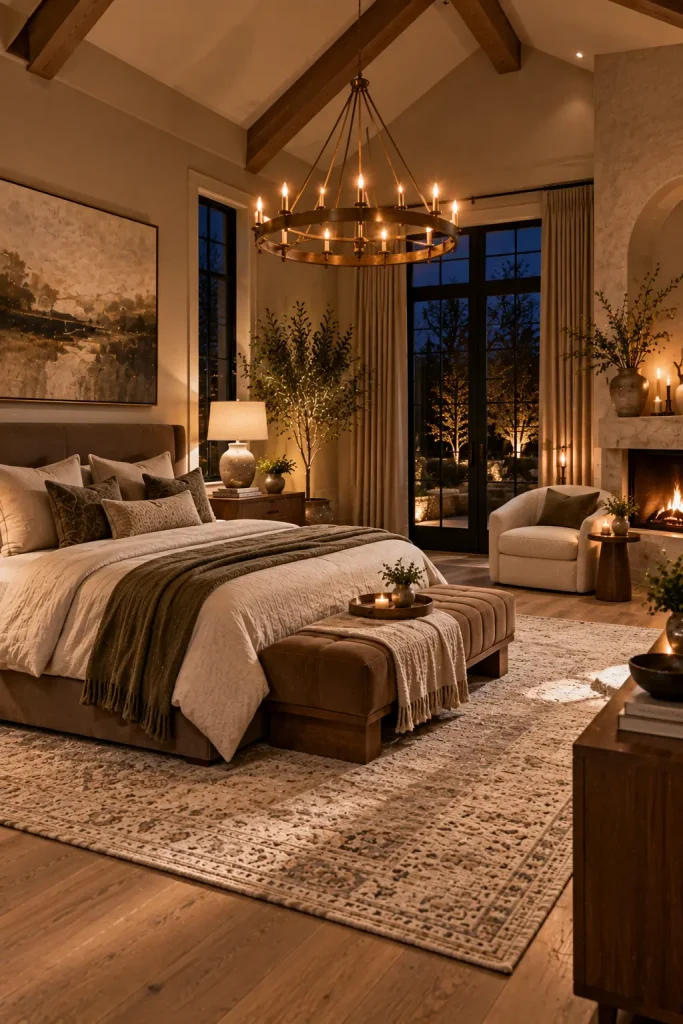
A monochromatic bedroom can feel exceptionally sophisticated when several tones of one color family are layered through architecture, textiles, furniture, and accessories. Instead of using exactly one shade, combine lighter and darker versions to create depth. Warm beige can move from ivory to camel and taupe, while blue can progress from pale gray-blue to navy. Texture becomes important because similar colors need different surfaces to prevent the room from feeling flat. Linen, velvet, wool, wood, plaster, and stone can all provide variation. Keep the furniture shapes simple and let the tonal layering create the visual interest. A monochromatic bedroom is particularly effective for creating a restful atmosphere because the limited palette reduces visual noise. This approach can look sophisticated in both large primary bedrooms and smaller guest rooms.
19. Use a Four-Poster Bed in a Modern Way
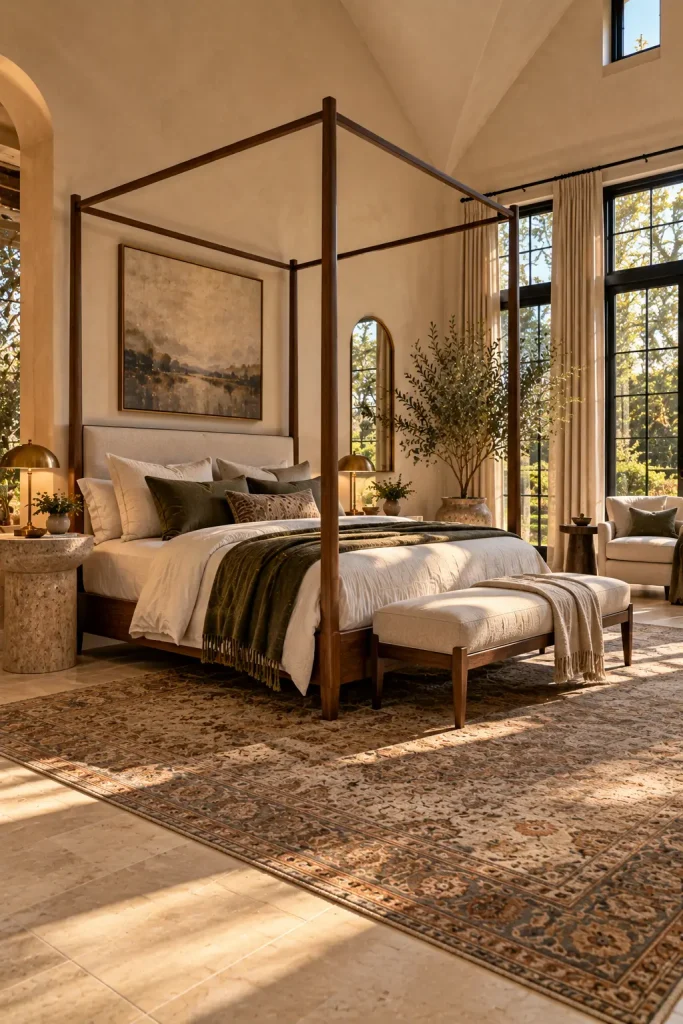
A four-poster bed can look timeless without feeling traditional when its frame is simple and architectural. Choose slender posts in natural wood, dark walnut, black metal, or painted timber instead of highly ornate carved details. Keep the bedding relaxed with linen, cotton, or wool layers so the structure does not become too formal. A large rug beneath the bed can help define the sleeping zone, particularly in a spacious primary bedroom. Lighting should be integrated carefully so lamps do not compete with the bed frame. The surrounding furniture should remain relatively restrained, allowing the bed to act as the room’s architectural focal point. This design works especially well in large American bedrooms where a standard bed can feel visually lost within the space. With the right proportions, a four-poster bed can feel both classic and contemporary.
20. Bring in a Vintage Sideboard
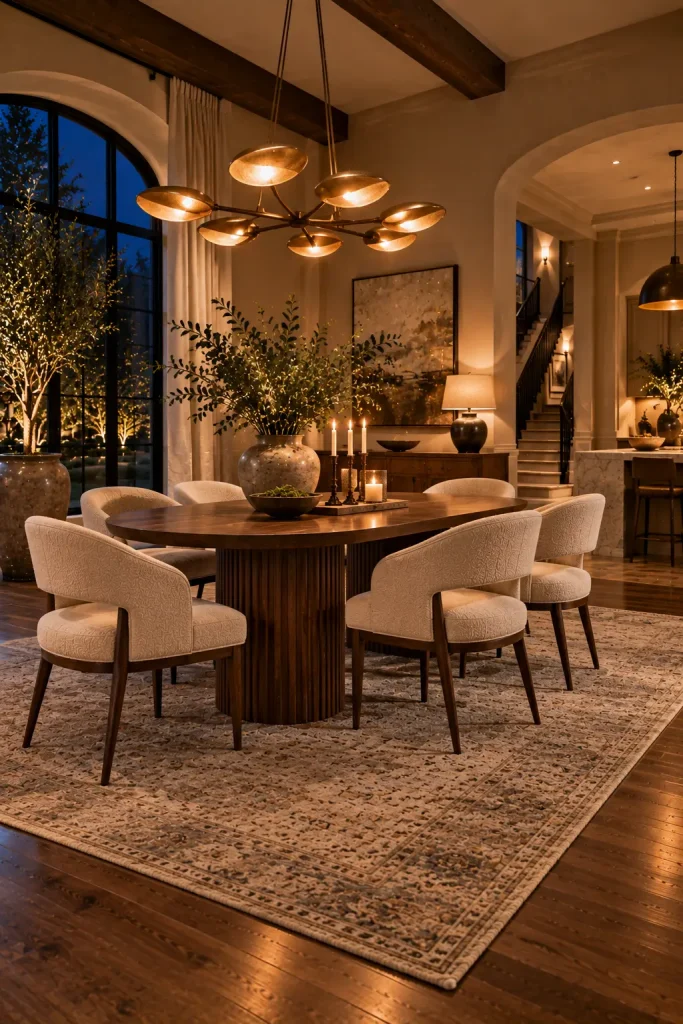
A vintage sideboard can give a modern home a sense of history and prevent the interior from feeling too coordinated. Look for pieces with beautiful wood grain, elegant hardware, tapered legs, or subtle signs of age. A sideboard can provide valuable storage for dining ware, linens, games, or everyday household items while also acting as a display surface. Pairing it with contemporary artwork and lighting creates a sophisticated contrast between old and new. Avoid surrounding the piece with too many other vintage objects because one strong piece usually has more impact. Check the construction and condition before purchasing so the furniture remains useful rather than purely decorative. Walnut, teak, oak, and mahogany can all work beautifully depending on the overall palette. This approach is especially useful for creating a home that feels collected over time rather than furnished in one shopping trip.
21. Use Soft Wall Sconces Instead of Harsh Overhead Light
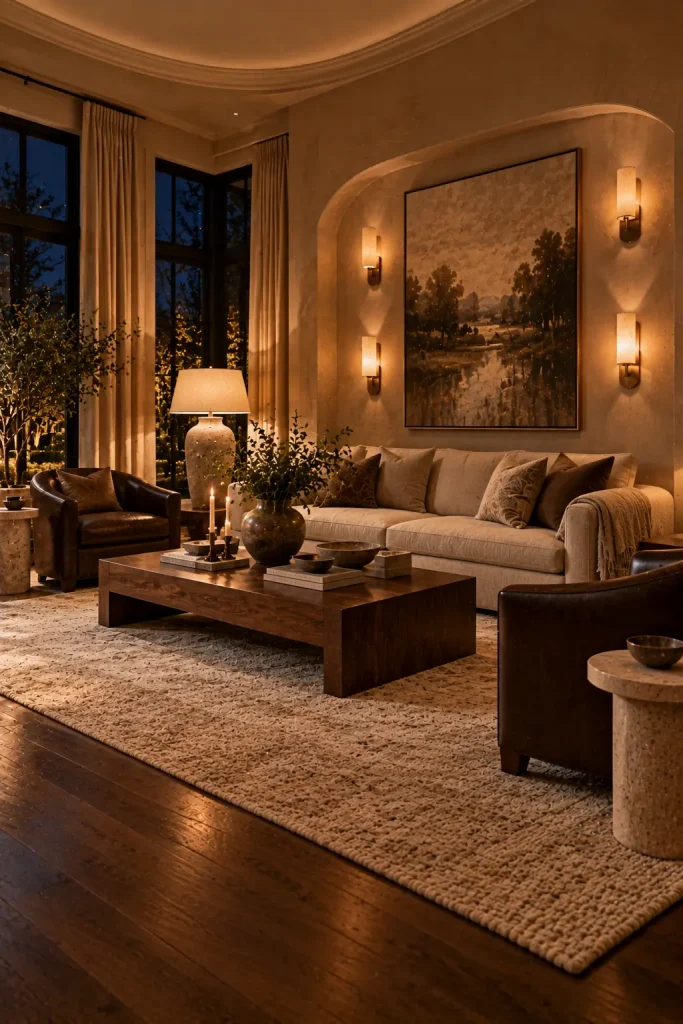
Lighting has a major effect on whether a home feels sophisticated or ordinary. Wall sconces can provide a softer, more flattering layer of illumination than relying entirely on a bright ceiling fixture. Place sconces beside artwork, mirrors, fireplaces, beds, or architectural openings where they can contribute to the composition. Choose fixtures with shades or diffusers that direct light gently rather than producing glare. Aged brass, bronze, ceramic, alabaster, and black metal can all create different moods while remaining timeless. Use several smaller sources throughout the room so the light appears to come from different heights. In bedrooms and living rooms, warm light can create a particularly inviting atmosphere after sunset. The best lighting plan should still provide enough practical illumination for reading, cooking, working, or entertaining.
22. Choose Timeless Striped Textiles
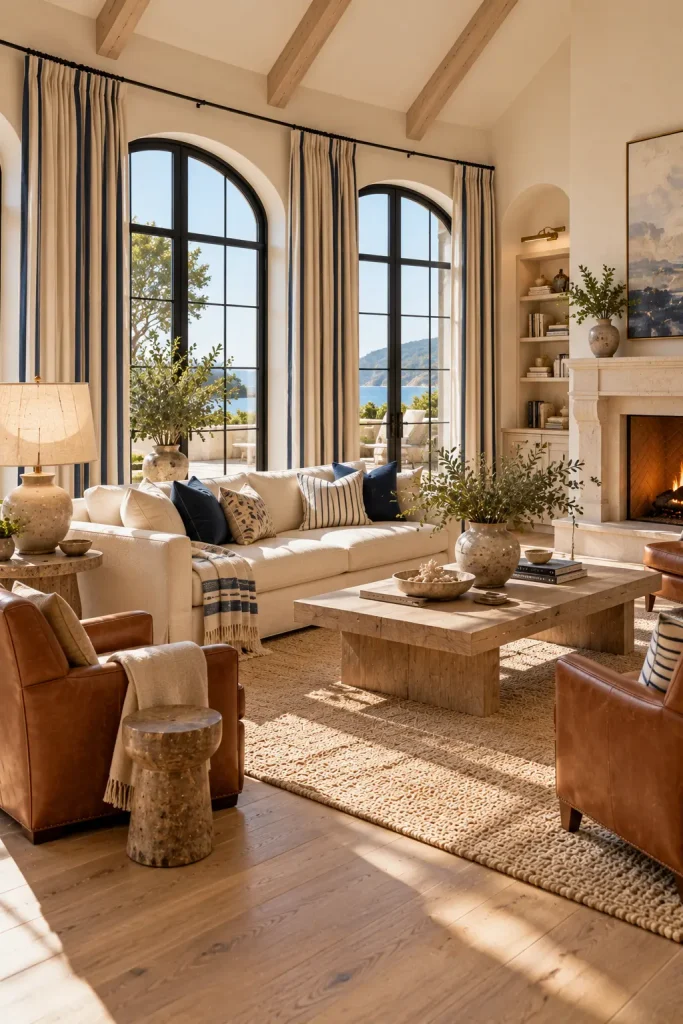
Stripes can add pattern to an elegant home without becoming visually overwhelming. Fine ticking stripes, wide painterly stripes, pinstripes, and subtle woven bands can all create a classic effect. Use stripes on curtains, pillows, upholstery, rugs, or occasional chairs rather than applying the pattern to every surface. Neutral combinations such as cream and charcoal, ivory and navy, or beige and brown are especially timeless. A striped textile can also provide a bridge between traditional and contemporary furniture. Vary the scale of stripes if using more than one, but keep the colors related so the room remains cohesive. Natural fabrics such as linen and cotton tend to make stripes feel more relaxed and residential. This is a simple way to introduce pattern while maintaining a sophisticated atmosphere.
23. Create a Warm and Refined Kitchen With Wood Cabinetry
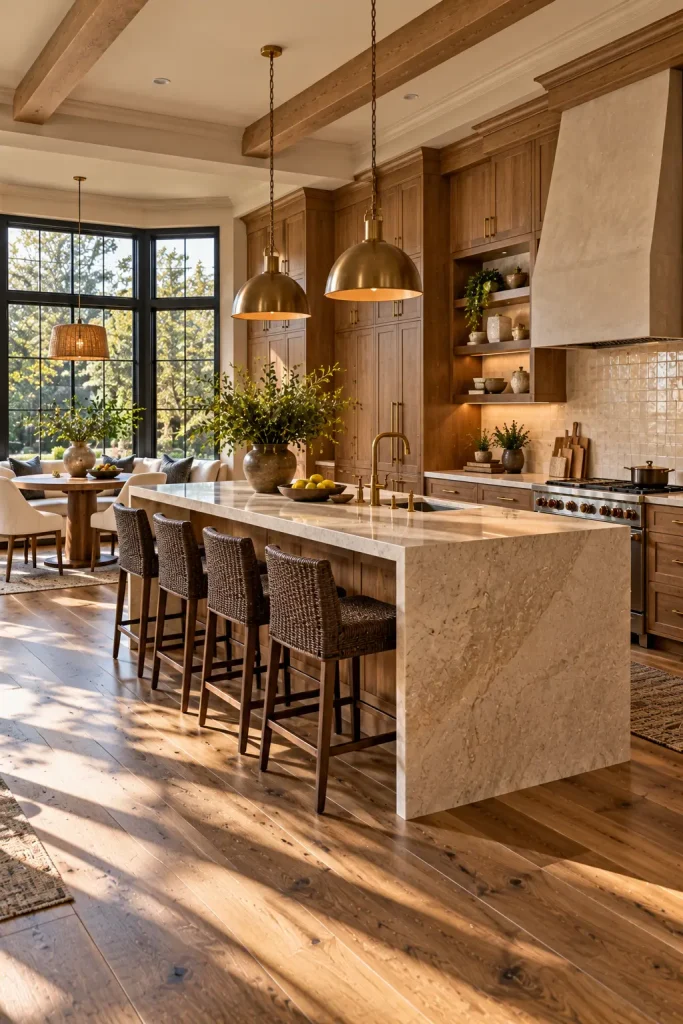
Natural wood cabinetry can make a kitchen feel luxurious without relying on dramatic colors. Walnut, white oak, cherry, and rift-cut oak can all create different moods while remaining timeless. Pair wood cabinets with a quiet stone countertop and backsplash so the grain remains the main visual feature. Brass, bronze, or brushed nickel hardware can add a subtle layer of refinement. Avoid matching every wood element perfectly; small variations often make the kitchen feel more natural. A large island can become the practical and social center of the room while maintaining a clean visual composition. Open shelving can be used sparingly for ceramics or cookbooks. The finished kitchen should feel warm enough for everyday family life while still being polished enough for entertaining.
24. Add a Statement Range Hood
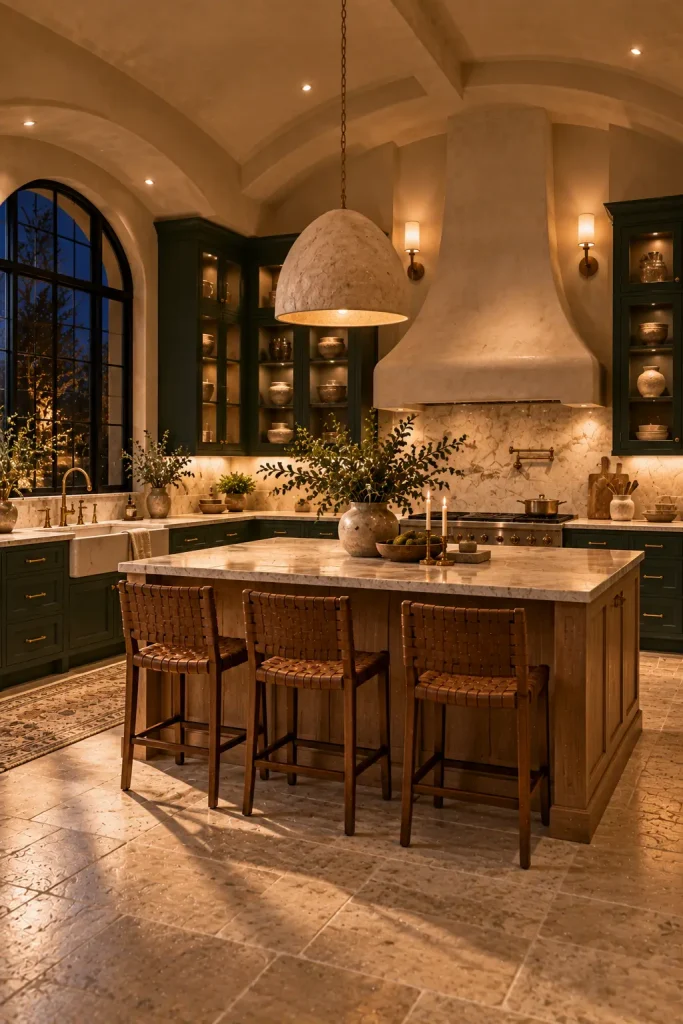
A kitchen range hood can become a sophisticated architectural feature when it is designed as part of the room rather than treated as an appliance that needs to be hidden. A plaster hood can create a soft sculptural effect, while wood or metal can add contrast. Keep the surrounding cabinetry simple so the hood has room to stand out. The hood should be appropriately scaled to the range and ceiling height, with practical ventilation requirements considered during renovation. A few carefully chosen materials can create a more timeless look than combining many finishes. Add a simple shelf or artwork nearby only if it does not interfere with cooking or ventilation. This idea works especially well in kitchens where the range wall is visible from the dining or living area.
25. Style the Bathroom With Natural Stone
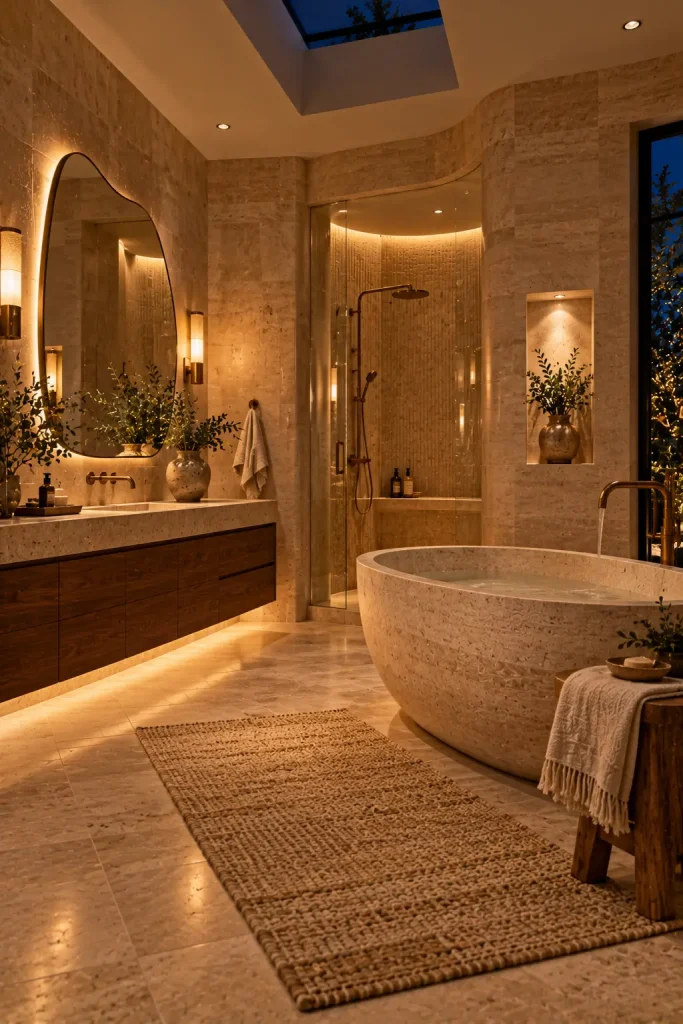
Natural stone can make a bathroom feel like a quiet private retreat while adding long-lasting visual character. Limestone, travertine, marble, soapstone, and other natural stones can be used for floors, walls, vanities, showers, or tubs. The most timeless approach is to let one stone dominate and use other materials sparingly. Warm stone pairs beautifully with walnut, oak, bronze, brass, and linen. Keep decorative objects minimal so the natural variation in the stone remains visible. Soft lighting around mirrors and under vanities can make the materials feel especially atmospheric after dark. Choose finishes based on practical moisture and maintenance requirements as well as appearance. A sophisticated bathroom should feel luxurious without looking like a commercial spa.
26. Use a Traditional Rug in a Contemporary Room
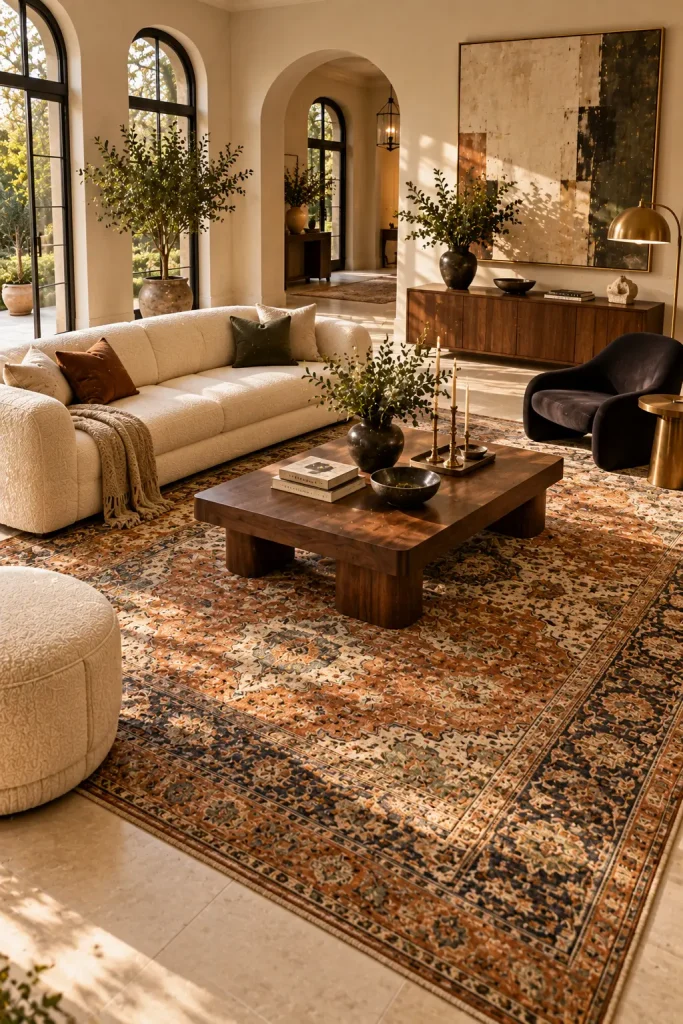
A traditional rug can add history and softness to a modern interior without forcing the entire room to become traditional. Persian-inspired, Turkish, or antique-style rugs with faded colors often work particularly well because their patterns are less visually intense than highly saturated new designs. Place the rug beneath the main furniture group so it functions as a unifying layer. Pair it with contemporary sofas, sculptural chairs, modern lighting, and simple tables to create an interesting contrast. The rug should contain colors that can be repeated subtly in cushions or artwork. Avoid matching every color exactly because slight variation makes the room feel more collected. This approach is particularly effective when you want a home to feel sophisticated and established without becoming overly formal.
27. Add a Dedicated Reading Chair
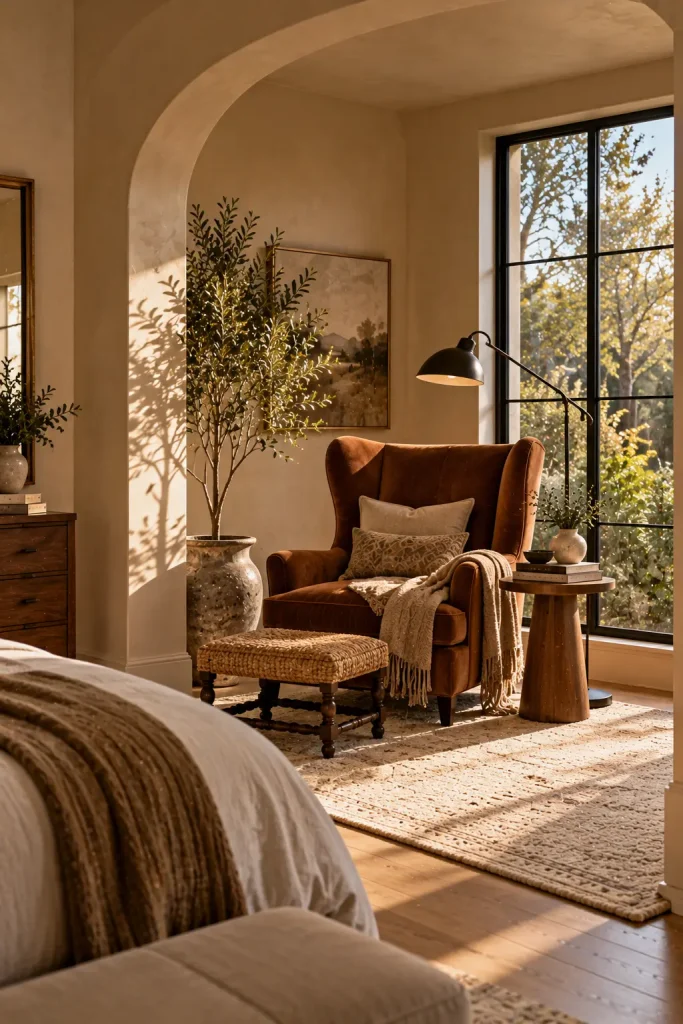
A sophisticated home does not have to sacrifice comfort for appearance. A beautifully shaped reading chair can provide a quiet destination within a bedroom, living room, library, or hallway. Look for upholstery with tactile depth, such as boucle, velvet, leather, or textured linen. Pair the chair with a small side table and a lamp that provides focused reading light. A footstool can increase comfort without requiring a large sectional or lounge arrangement. Position the chair near a window when possible so it benefits from natural daylight. Keep the surrounding area relatively uncluttered so the chair reads as a deliberate focal point. This simple arrangement can make a large room feel more personal while creating a useful place for reading, relaxing, or enjoying a morning coffee.
28. Keep Kitchen Countertops Visually Calm
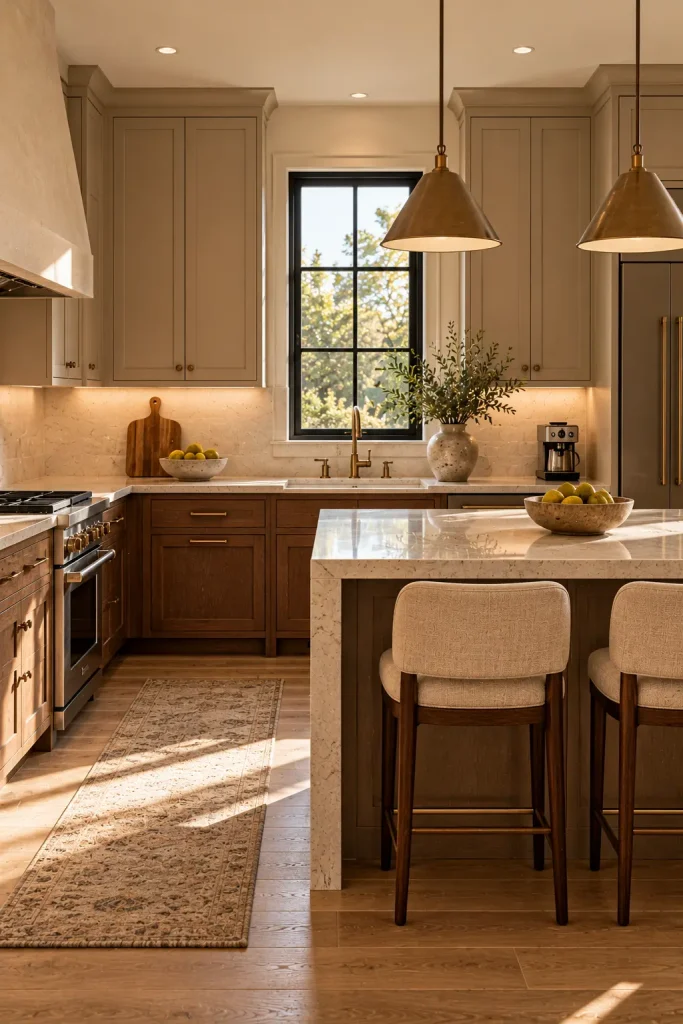
One of the simplest ways to make a kitchen feel more sophisticated is to reduce visual clutter on the countertops. Instead of displaying every appliance and utensil, keep only the objects that are genuinely useful or visually attractive. A large cutting board, ceramic vessel, coffee machine, fruit bowl, or simple lamp can provide enough personality. Choose countertop materials with subtle natural variation rather than highly dramatic patterns if the goal is timelessness. Group everyday items together on a tray so the area feels organized. Use drawers and cabinets for smaller appliances whenever possible. This approach makes the kitchen easier to clean while allowing the architecture and cabinetry to become more noticeable. A calm countertop can make even a modest kitchen feel considerably more expensive and intentional.
29. Use Dark Wood Flooring for Depth
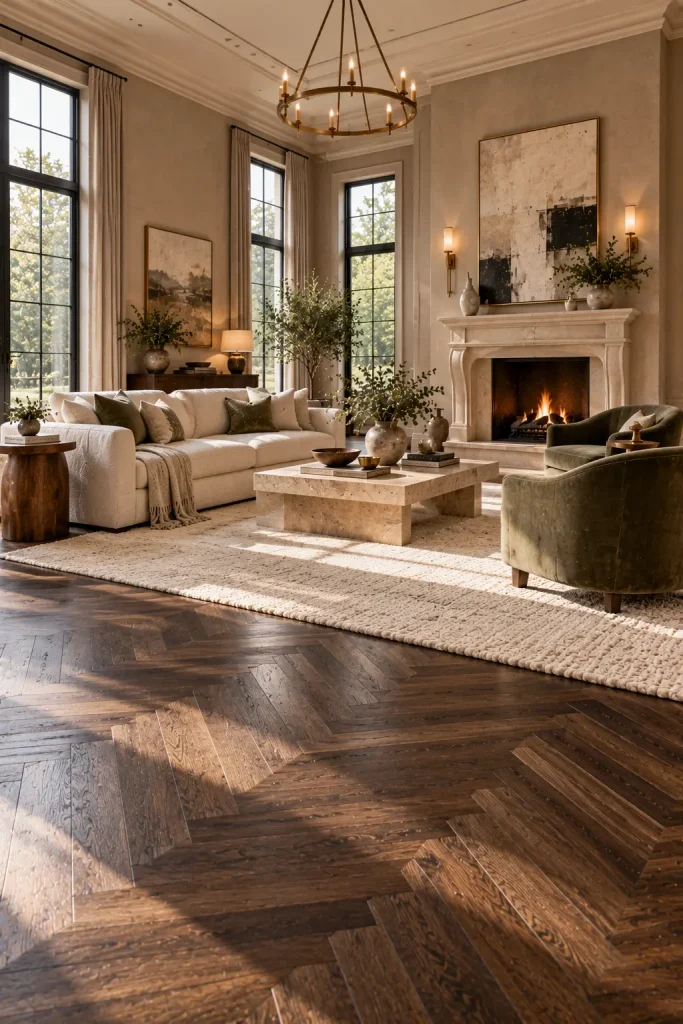
Dark wood flooring can make a home feel grounded, established, and sophisticated when balanced with lighter walls and furniture. Walnut, smoked oak, dark-stained oak, and espresso tones can all provide depth. The key is to avoid making the entire room dark unless that is intentional. Pair deep flooring with cream, ivory, warm gray, pale stone, or muted colors above it. Large rugs can soften the contrast while preserving the richness of the wood around the edges. Natural grain should remain visible because perfectly uniform dark flooring can look artificial. Matte or satin finishes tend to feel more timeless than highly glossy surfaces. Dark flooring is especially effective in dining rooms, libraries, living rooms, and larger entryways where the material has enough visual space to be appreciated.
30. Create a Sophisticated Home Office
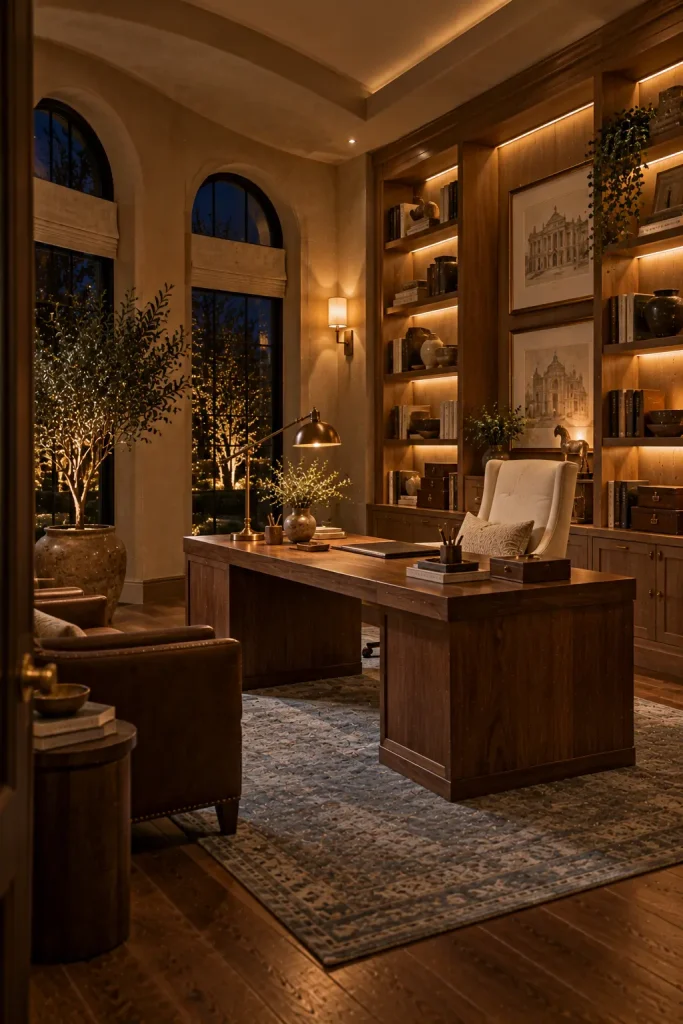
A timeless home office should feel professional without becoming overly corporate. Choose a substantial desk in walnut, oak, or painted wood and pair it with a comfortable upholstered chair. Built-in storage can keep paperwork and equipment organized while open shelving provides space for books and personal objects. A large artwork or architectural window can become the focal point instead of relying on excessive accessories. Brass, bronze, or black lighting fixtures can provide a subtle layer of refinement. Natural textiles and a soft rug help make the office feel connected to the rest of the home. Keep the desk surface relatively clear so the room remains practical for actual work. A sophisticated home office should support productivity while still feeling like part of a beautiful residential interior.
31. Introduce a Statement Chandelier
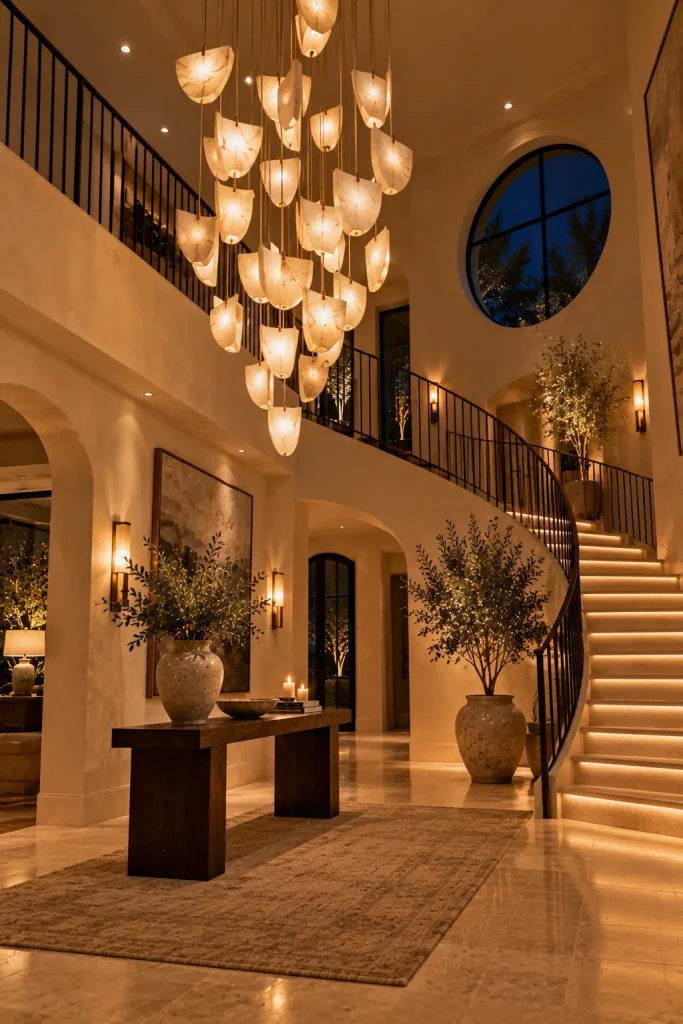
A statement chandelier can make a room feel complete by providing both illumination and a strong architectural focal point. Choose a fixture whose scale corresponds to the room rather than selecting the largest possible design. Sculptural glass, ceramic, brass, paper, or fabric chandeliers can all create sophisticated effects. Hang the fixture at a comfortable height so it remains visually connected to the furniture below without obstructing conversation. Keep surrounding accessories restrained if the chandelier is especially dramatic. In a bedroom, a sculptural pendant can add a sense of luxury without becoming overly formal. In a dining room, the chandelier should relate to the table’s length and shape. A good statement fixture should remain attractive even when switched off.
32. Mix Modern and Traditional Details
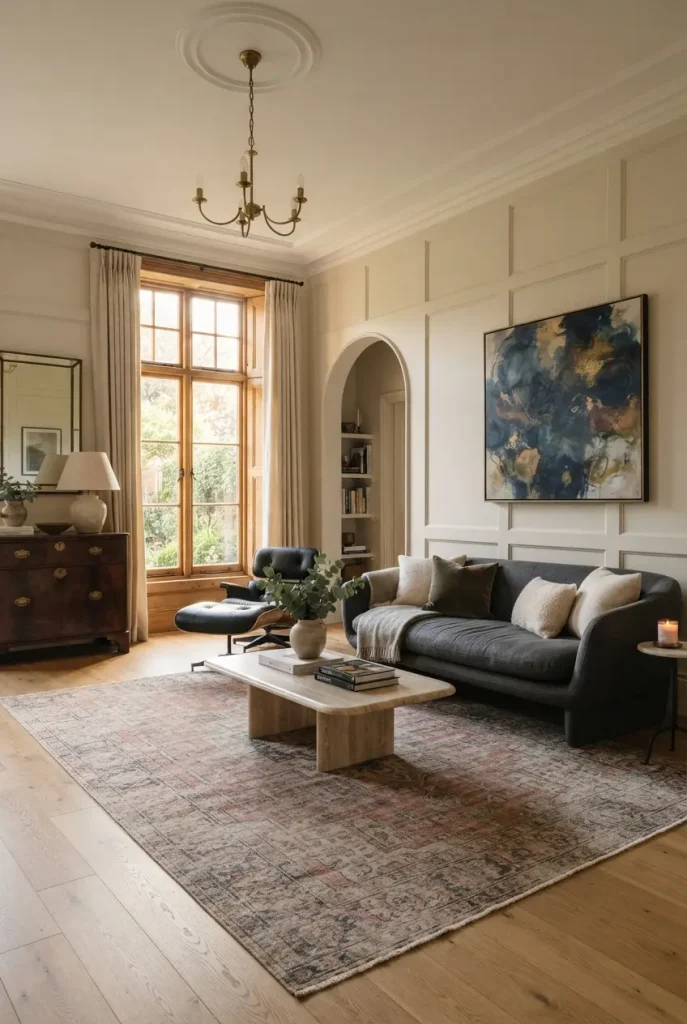
The most timeless homes often avoid committing completely to one design period. A contemporary sofa can work beautifully with traditional molding, an antique table can sit beneath modern lighting, and classic architecture can be paired with minimalist artwork. This contrast prevents the home from feeling like a period recreation or a showroom of current trends. Choose one dominant style for the larger pieces and use the opposite style as an accent. Repeat a few materials or colors throughout the room so the contrast still feels cohesive. Keep proportions consistent because different design periods can still work together when their scale is compatible. The goal is not to make the room eclectic for its own sake but to create a sense that the interior has evolved over time. This approach is particularly effective for American homes that combine original architectural details with newer renovations.
33. Keep the Overall Home Collected and Cohesive
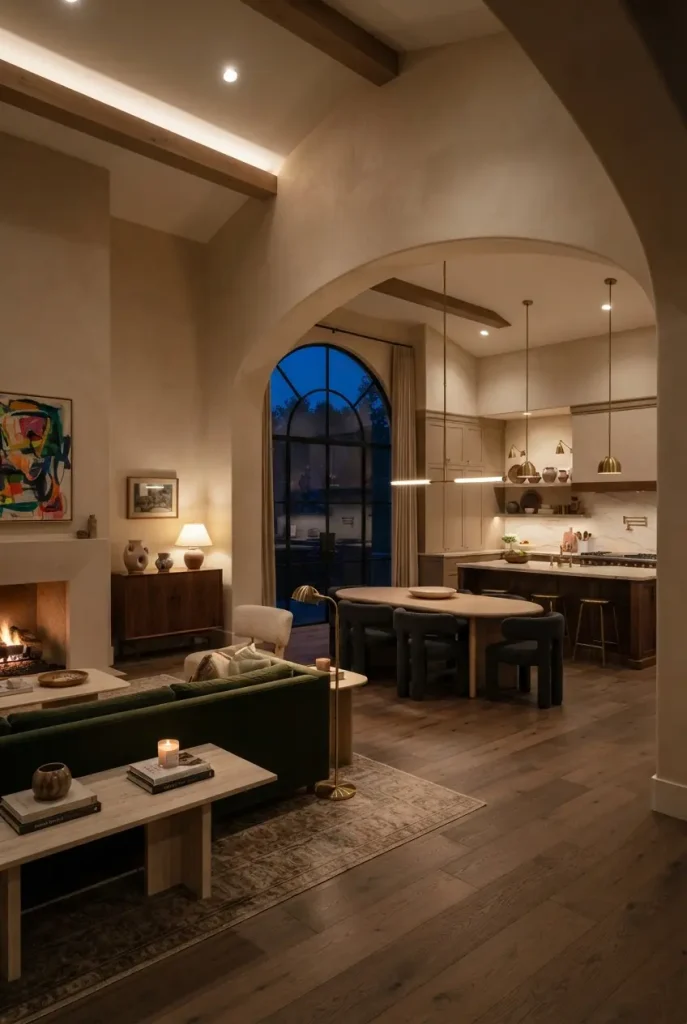
The most sophisticated homes rarely look as though every room was purchased from the same collection. Instead, they share a quiet visual language through recurring materials, colors, textures, and architectural details while allowing each room to develop its own personality. Walnut might appear in the living room, kitchen, and office, while aged brass could connect lighting fixtures throughout the house. Neutral plaster walls can create continuity even when furniture styles change from room to room. Artwork, vintage pieces, ceramics, books, and greenery add the personal layers that make a home feel lived in. Avoid trying to make every space perfectly symmetrical or coordinated. Leave enough negative space so the eye can rest and the important pieces remain noticeable. The final result should feel refined but comfortable, expensive in its attention to detail rather than dependent on obvious luxury. This is ultimately what makes elegant home decor ideas feel timeless: the home looks thoughtfully assembled, personal, and naturally beautiful rather than decorated for a single season or trend.