25 Home Decor Ideas to Make Your Space Feel Fresh, Cozy, and Stylish
A home can feel fresh, cozy, and stylish without requiring a complete renovation or an entirely new furniture collection. Small changes in color, texture, lighting, furniture placement, and accessories can have a surprisingly strong effect on the overall atmosphere. The best home decor ideas also balance beauty with everyday comfort, so your rooms still feel practical and welcoming. You might only need to update one wall, change a few textiles, introduce greenery, or rethink an awkward corner. These simple adjustments can help a room feel more finished without making it look overly decorated. The ideas below include affordable styling changes as well as a few larger upgrades for homeowners ready to invest more. They work across apartments, rentals, townhomes, suburban houses, and larger homes. Most importantly, each idea can be adapted to your existing furniture, personal taste, and available space.
1. Layer Your Neutrals With Warm Natural Textures
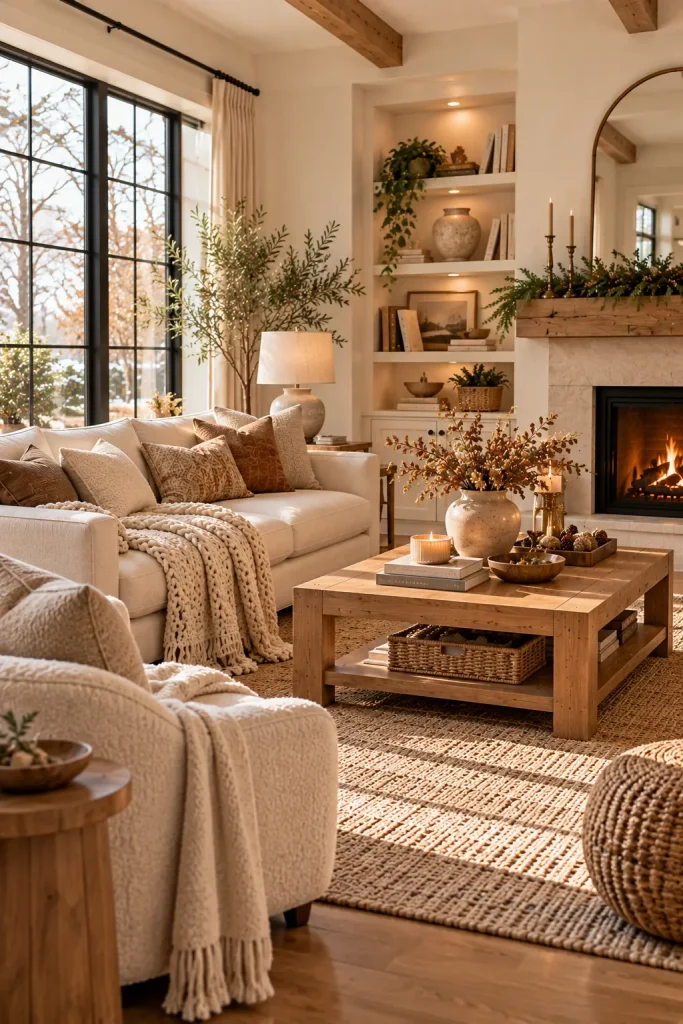
A neutral room can feel warm and interesting when different textures are used instead of relying on lots of colors. Start with a soft foundation such as an ivory, cream, beige, or warm gray sofa. Add woven baskets, linen cushions, wool throws, natural wood, and textured ceramics to create visual depth. Similar colors will look much richer when their surfaces have different finishes and patterns. A natural-fiber rug can help ground the furniture while adding another tactile layer underfoot. Try mixing smooth materials such as wood or ceramic with softer fabrics like boucle, linen, and cotton. Keep some surfaces simple so the room doesn’t become visually crowded. The result is a calm interior that feels comfortable, collected, and naturally stylish.
2. Create a Small Reading Corner
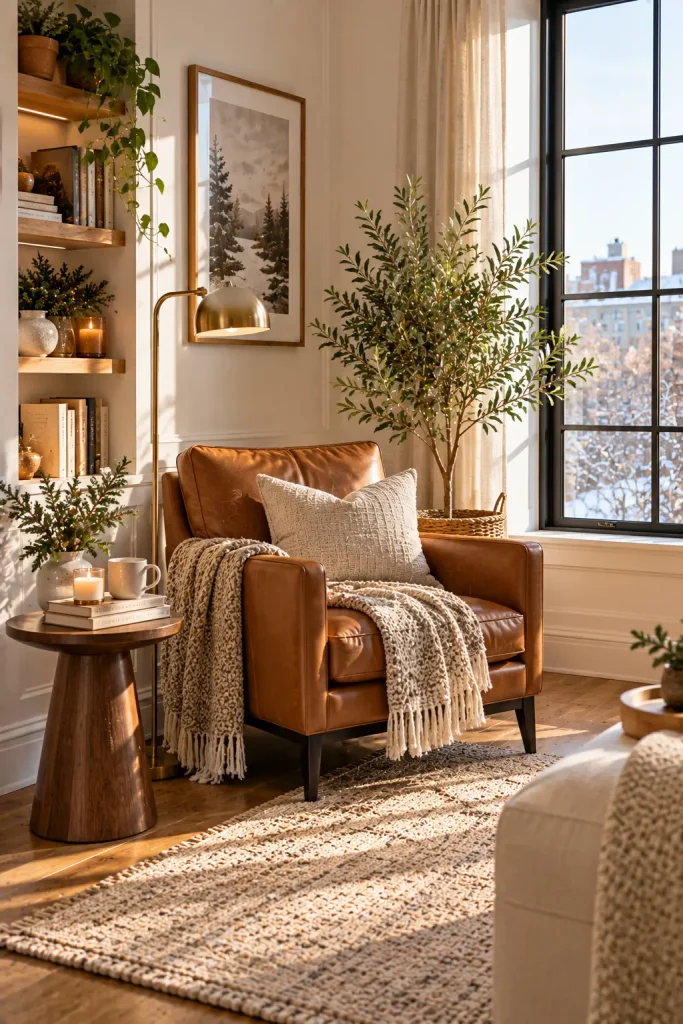
An unused corner can become a comfortable reading retreat without taking up much space. Choose a supportive accent chair that fits the scale of the room rather than selecting something oversized. Position it near a window when possible so the area benefits from natural daylight during the day. A compact side table provides space for a book, cup, glasses, or small decorative object. Add a floor lamp or adjustable reading light for evenings when natural light is no longer available. A soft throw and one cushion can make the chair feel more inviting without creating clutter. If the corner feels disconnected from the room, repeat one color or material from nearby furniture. This simple arrangement can turn an overlooked part of the home into a useful and relaxing destination.
3. Add an Oversized Mirror to Bounce Light
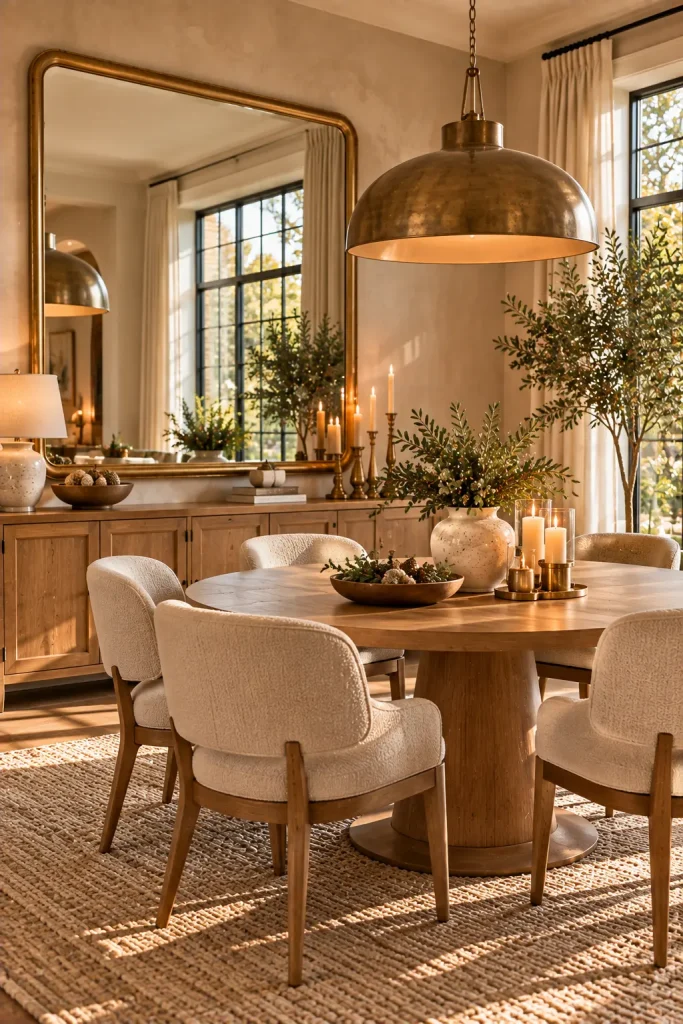
A large mirror can make a room feel brighter and visually more open without changing its basic layout. Place it where it can reflect a window, doorway, artwork, or another attractive feature. In a darker room, reflecting available daylight can help distribute brightness across the space. A tall mirror works particularly well in an entryway or narrow room because it adds vertical emphasis. A wide mirror can visually expand a console, fireplace, or dining wall. Choose a frame that relates to the existing finishes, such as wood, aged brass, black metal, or plaster. Avoid positioning the mirror where it reflects clutter, messy storage, or an unattractive corner. Used thoughtfully, one oversized mirror can become both a practical and decorative focal point.
4. Bring in One Large Statement Plant
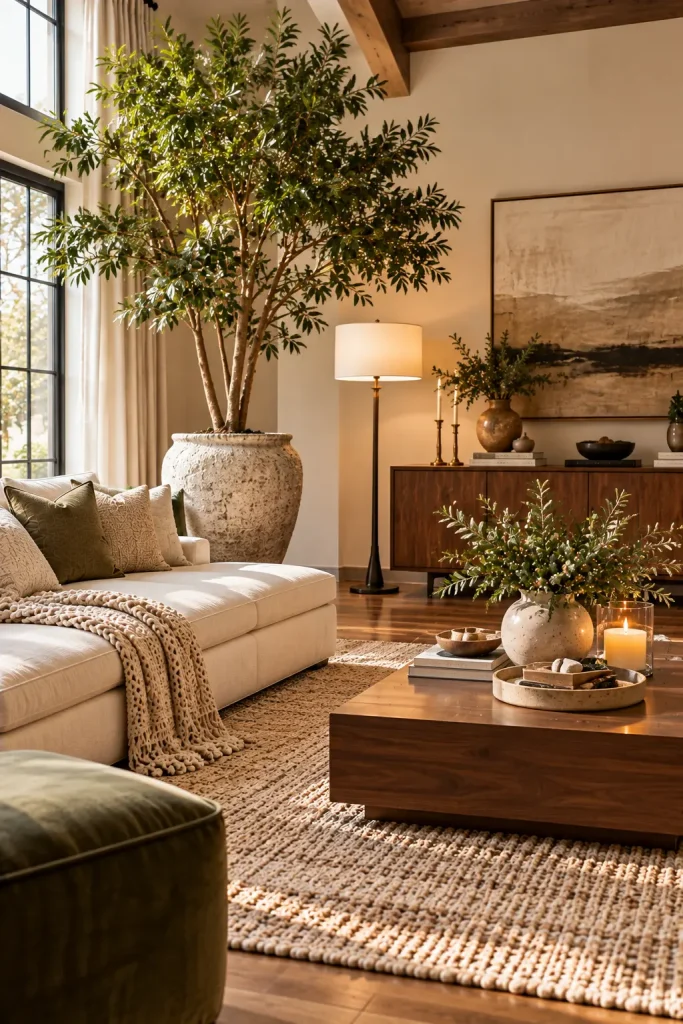
One substantial plant can have more visual impact than several tiny plants scattered throughout a room. A tall indoor tree introduces height and helps soften rooms filled with straight furniture lines. Choose a plant that suits the amount of natural light available rather than selecting one based only on appearance. A simple ceramic, terracotta, or woven planter can complement the surrounding furniture without competing with the foliage. Place the plant near an empty corner, window, cabinet, or seating area where its height can balance the room. Avoid overcrowding the plant with multiple decorative objects around its base. The natural green color can also provide a gentle contrast against neutral upholstery and wood furniture. This approach creates a fresh, organic feeling while keeping the overall decorating scheme restrained.
5. Style the Coffee Table in Three Layers
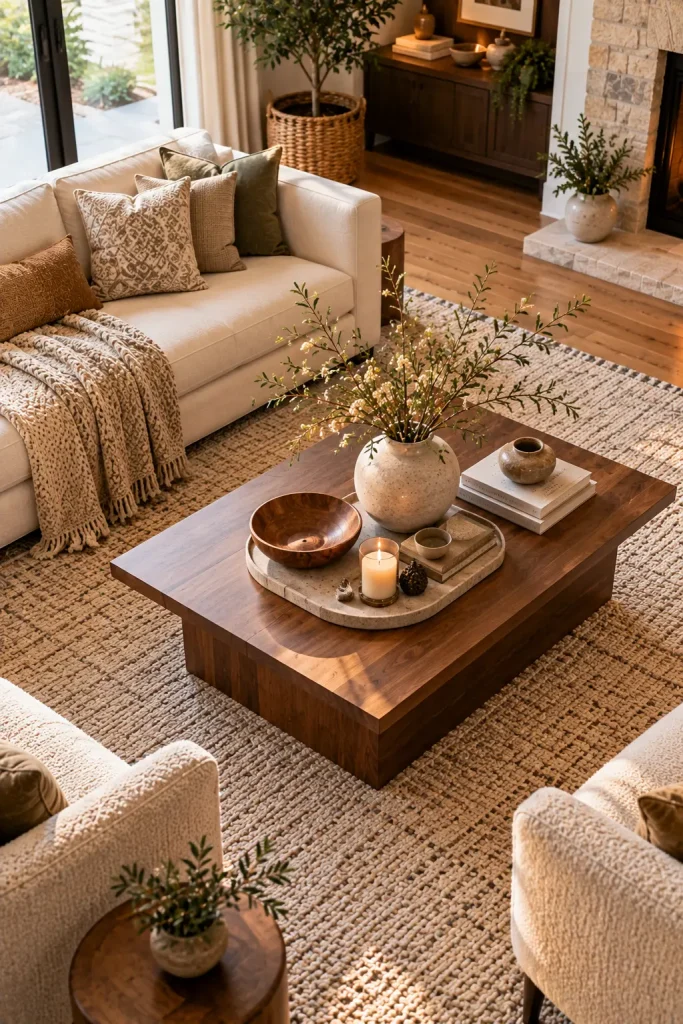
A coffee table usually looks more intentional when decorative objects are grouped rather than spread randomly across the entire surface. Begin with a low foundation such as a tray or a small stack of attractive books. Add one medium-height object, such as a ceramic vase, bowl, or candleholder, to create vertical variation. Finish with a smaller detail that brings another shape or texture into the arrangement. Keep some empty tabletop visible because the surface still needs to function for everyday use. Rounded objects can soften a table with strong rectangular lines, while wooden pieces can warm a glass or stone table. Try to repeat one material or color from the surrounding room so the arrangement feels connected. A simple three-layer composition can make an ordinary coffee table look considered without becoming overly styled.
6. Use Warm Lighting Instead of Relying on One Ceiling Fixture
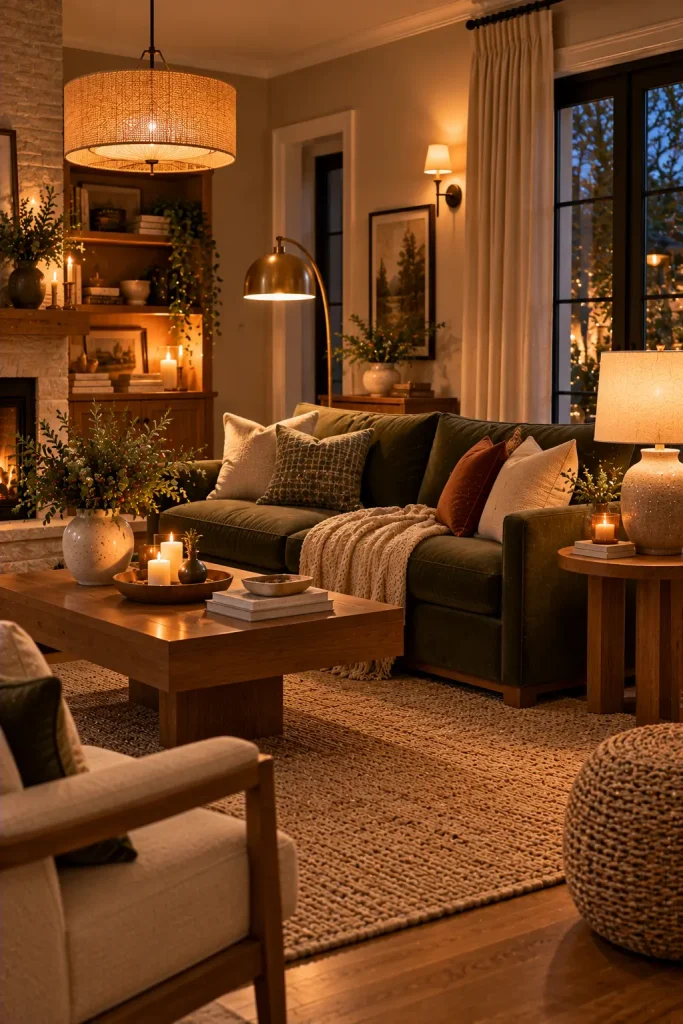
Lighting can completely change the mood of a room, especially after sunset. Instead of depending on a single ceiling fixture, create several light sources at different heights. A floor lamp beside the sofa can provide focused light for reading or conversation. A table lamp on a console or sideboard can create a softer pool of illumination farther across the room. Wall sconces can add another layer while taking up very little floor space. Choose warm, comfortable lighting for living areas and bedrooms where a relaxed atmosphere is the goal. The fixtures themselves should also contribute to the decor through their shape, material, or finish. Layered lighting makes the room feel more dimensional and allows you to adjust the atmosphere depending on the activity.
7. Paint an Accent Wall in a Muted Earth Tone
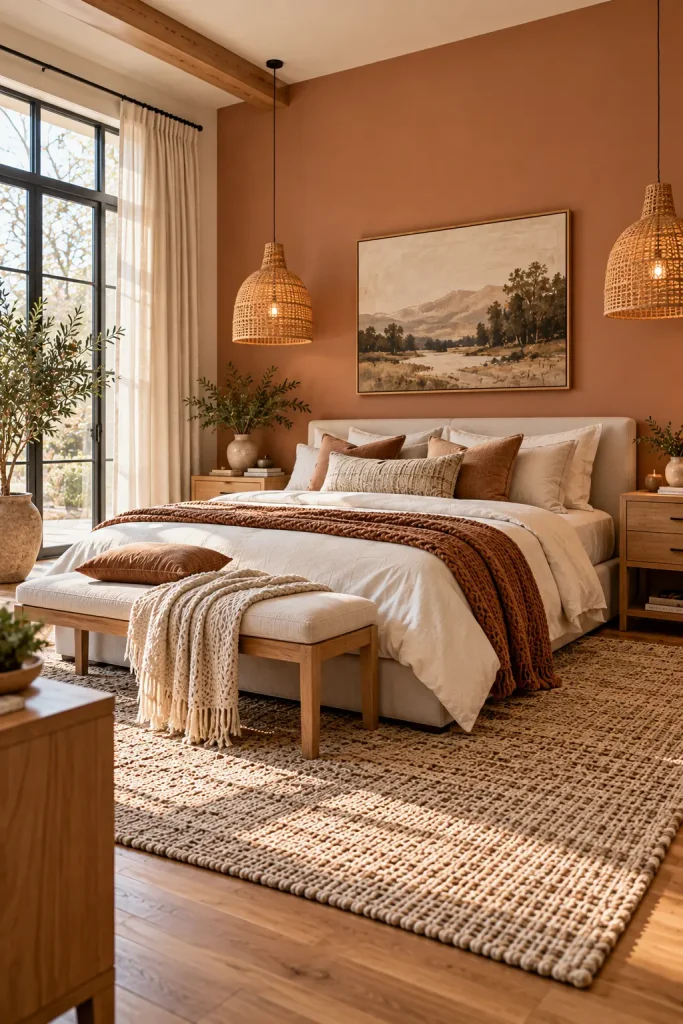
An accent wall can add personality without requiring an entire room to be repainted. Instead of choosing an extremely bright shade, consider muted colors such as clay, olive, dusty blue, warm taupe, or soft terracotta. These tones can add depth while remaining comfortable alongside neutral furniture. The wall behind a bed, sofa, fireplace, or dining table often makes the strongest location for an accent treatment. Look at the natural light in the room before selecting the final color because daylight can change how paint appears throughout the day. Repeat the accent shade in a cushion, artwork, vase, or small accessory to create visual continuity. Keep the remaining walls and larger furniture relatively restrained so the accent surface has room to work. A carefully chosen earth tone can make an ordinary room feel warmer and more intentional.
8. Add a Gallery Wall With Consistent Spacing
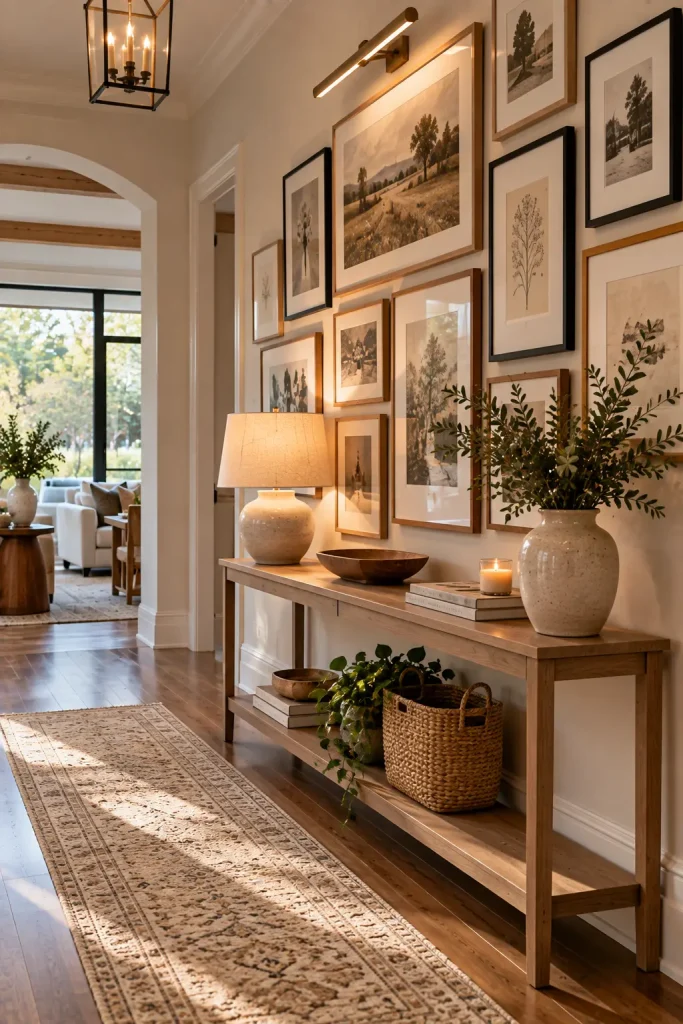
A gallery wall can bring personality to an otherwise plain wall while allowing you to combine different types of artwork. Mix photography, drawings, paintings, family pieces, or collected prints rather than relying on identical frames and images. To keep the arrangement cohesive, repeat a limited frame finish such as black, natural oak, brass, or white. Consistent spacing will help the collection feel deliberate even when the artwork itself varies. Before hanging the pieces, arrange them on the floor to test different layouts and overall proportions. Keep the outer shape of the gallery relatively balanced rather than allowing one side to become much heavier than the other. Leave enough space around the arrangement so the artwork remains a focal point. The result should feel collected over time rather than purchased as one matching package.
9. Swap Heavy Curtains for Airy Window Treatments
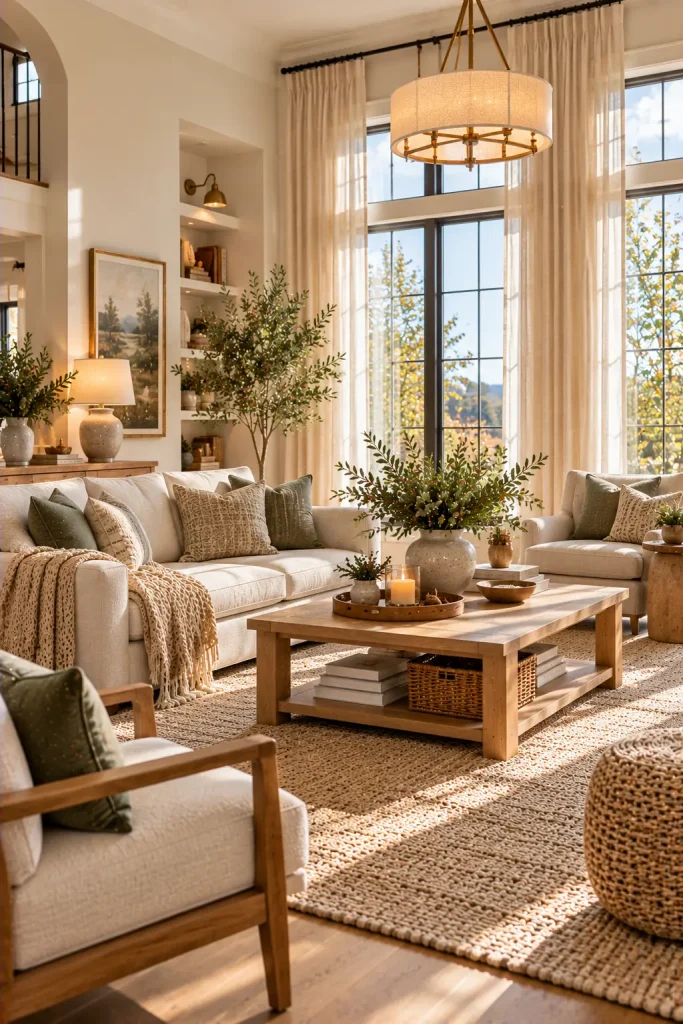
Window treatments influence both the amount of light a room receives and how substantial the architecture feels. Heavy curtains can sometimes make a smaller room feel visually crowded, particularly when they are dark or overly ornate. Lightweight linen or linen-look panels can soften the windows while allowing more daylight to visually pass through the room. Mounting the curtain rod higher than the window frame can also emphasize ceiling height. Let the panels extend beyond the sides of the window so they frame the opening rather than covering too much glass. Choose a fabric that is practical for the room and easy to maintain. A simple neutral treatment can make the entire space feel lighter, calmer, and more current.
10. Introduce a Vintage or Secondhand Piece
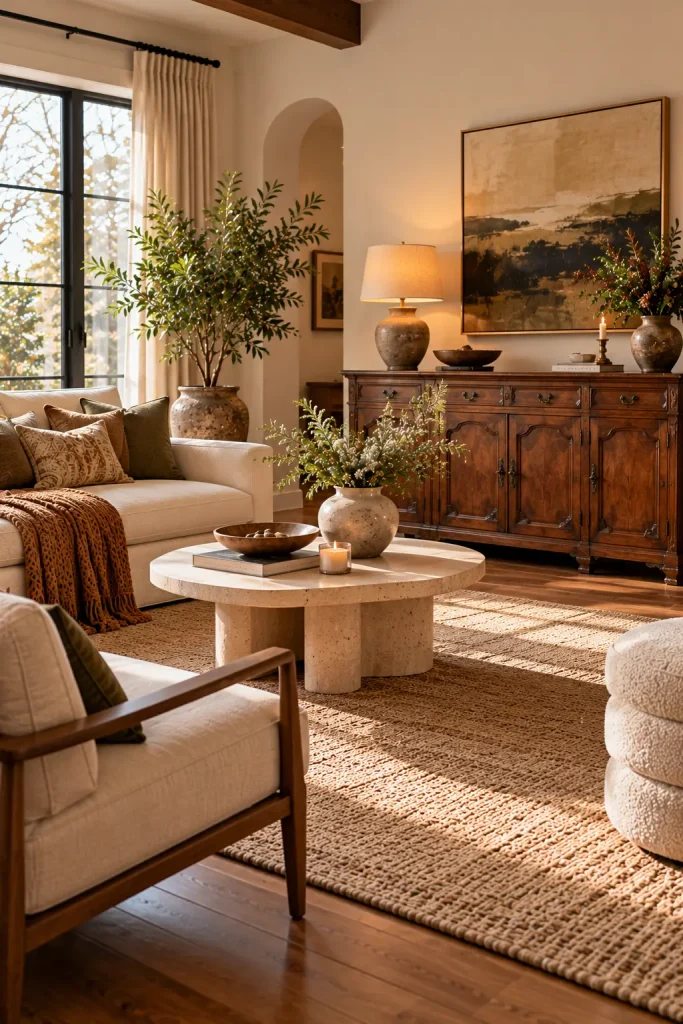
A vintage or secondhand piece can give a room character that perfectly matched new furniture sometimes lacks. Consider an old wooden cabinet, antique mirror, carved stool, vintage side table, or aged picture frame. The goal isn’t to make the entire room look antique but to introduce one piece with history into a more contemporary setting. Look for strong proportions, useful construction, and a finish you genuinely enjoy rather than focusing only on labels. Small signs of age can add warmth when the rest of the room is relatively clean and modern. Pair the older piece with simple textiles and contemporary lighting to create contrast. This approach also allows you to build a room gradually rather than purchasing every item at the same time. One distinctive piece can make a space feel much more personal and collected.
11. Create a Calm Entryway Drop Zone
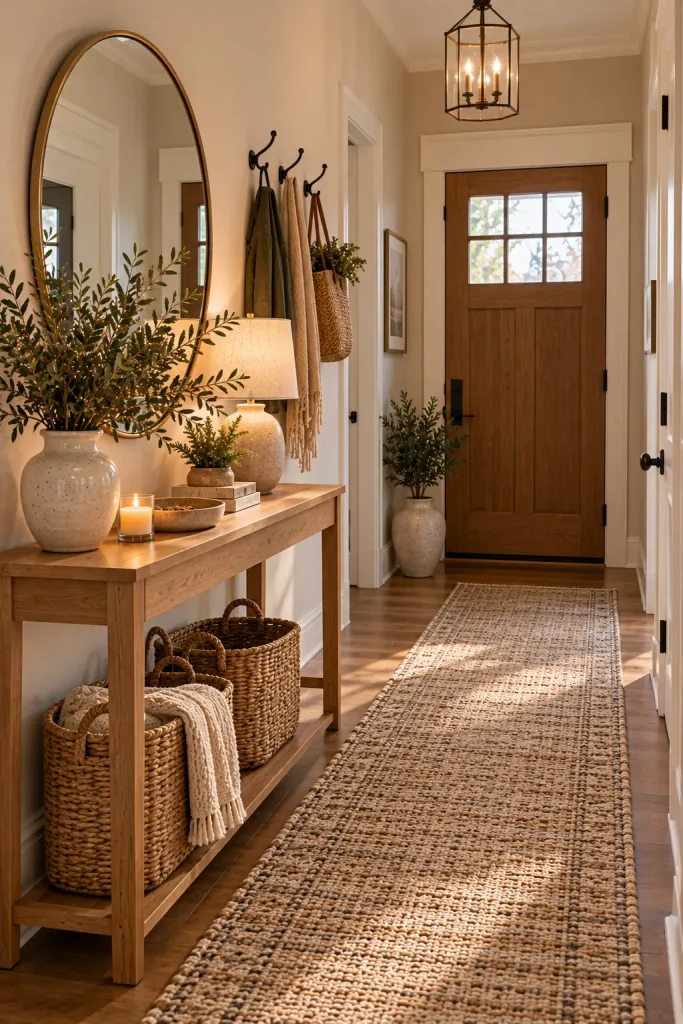
An entryway works better when everyday items have clearly defined places to land. A narrow console can hold keys and small essentials while wall hooks keep bags and coats from collecting on chairs. Add a tray for loose objects and baskets underneath for shoes, accessories, or items that need to be carried upstairs. A mirror gives the area a practical function while also making the entry feel more finished. Keep decorative accessories limited so the drop zone doesn’t become another source of clutter. Choose storage pieces that fit the actual width of the walkway and don’t interfere with doors. If space is tight, wall-mounted storage can preserve valuable floor area. The finished entry should feel welcoming while making the first few minutes of coming home easier.
12. Mix Wood Tones With a Common Undertone
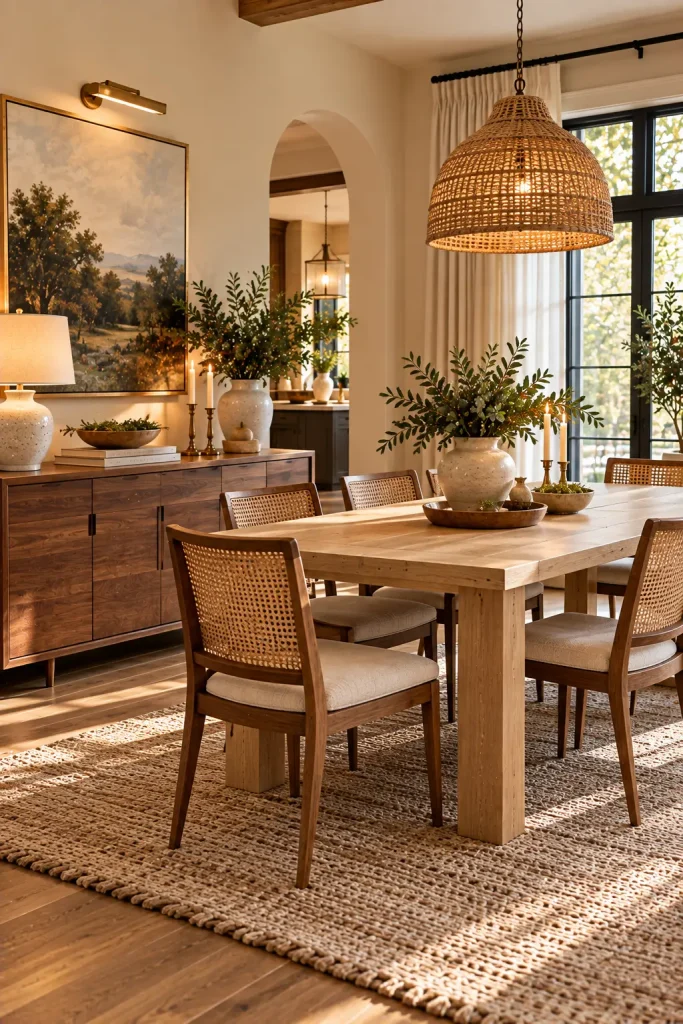
Different wood finishes can make a room feel more layered when they are selected intentionally. You don’t need every wooden piece to match exactly, but the finishes should have some relationship in warmth, depth, or grain. Warm oak and walnut, for example, can work together when the surrounding fabrics and accessories bridge their differences. Too many unrelated wood tones can make a room feel visually fragmented, so keep the overall selection edited. Use one wood as the dominant finish and allow another to appear in smaller amounts. Rugs, upholstery, ceramics, and artwork can help connect the different tones. Natural variations in wood should be treated as part of the character rather than something that needs to be perfectly uniform. When balanced properly, mixed woods create a room that feels collected instead of overly coordinated.
| Wood Approach | Visual Effect | Best Fit |
|---|---|---|
| Similar warm tones | Calm and cohesive | Minimal interiors |
| Light + medium wood | Fresh contrast | Scandinavian-inspired rooms |
| Oak + walnut | Rich but balanced | Transitional spaces |
| Mixed vintage woods | Collected character | Eclectic interiors |
13. Give an Empty Wall a Functional Purpose
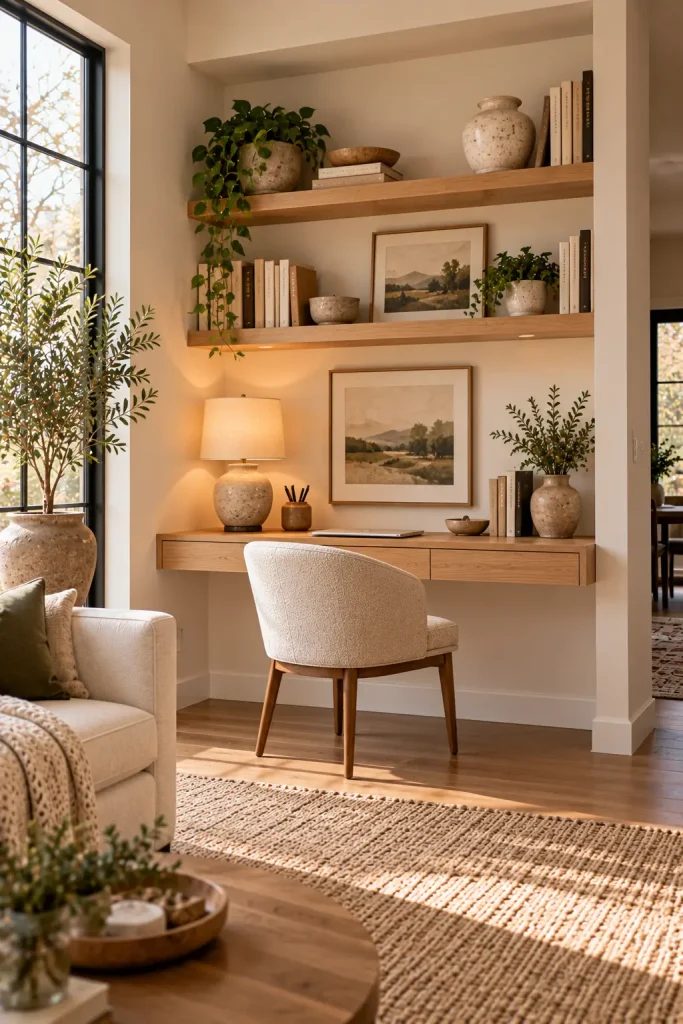
A blank wall doesn’t always need to be filled with decorative artwork. Depending on the room, it can become useful storage, a compact workspace, a display area, or a practical family organization zone. Floating shelves can add storage without consuming much floor space. A shallow desk can turn a previously unused section of wall into a home office. In a bedroom, a built-in wardrobe or low cabinet can provide additional storage while keeping the floor clearer. Think about what the room genuinely lacks before deciding what belongs on the wall. Measure carefully so the new furniture doesn’t interfere with doors, walkways, or existing furniture. When decoration and function occupy the same wall, the space often feels more intentional and efficient.
Quick Tip: Before adding anything, check the walking path around the wall and the clearance needed for doors and drawers.
14. Use a Large Rug to Anchor the Furniture
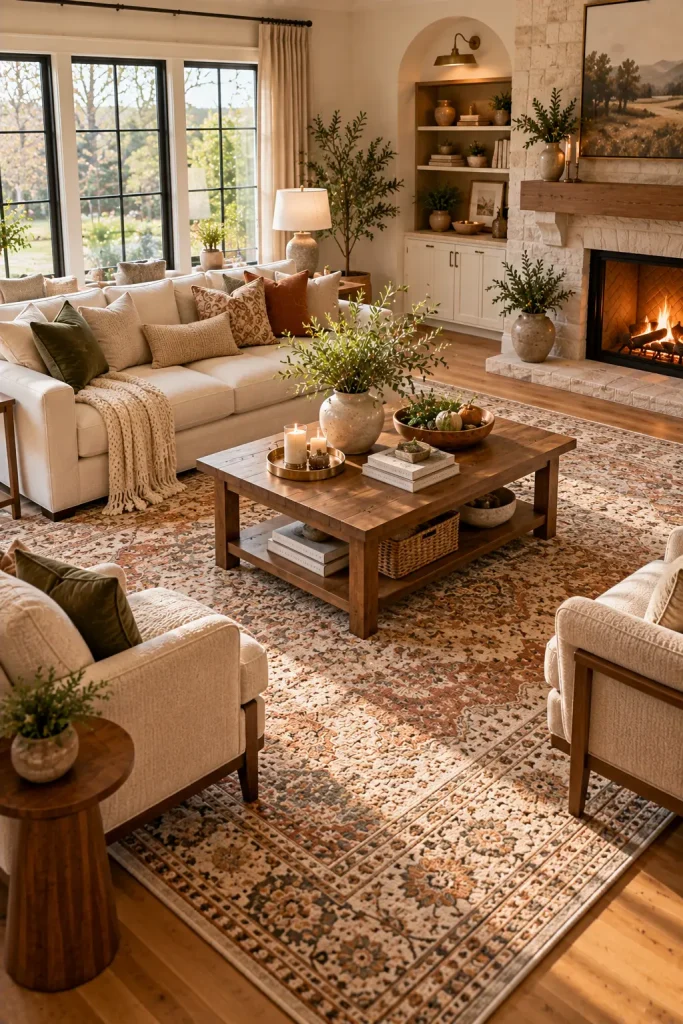
A properly sized rug can visually bring a furniture arrangement together and make the room feel more cohesive. A rug that is too small may leave the seating pieces looking disconnected from one another. In a living room, choose a size that allows at least the front portions of major furniture to sit securely on the rug. The pattern should also relate to the room’s existing colors rather than competing with every other feature. A subtle textured rug can work well when the furniture is visually strong. A patterned rug can become the focal point when the surrounding pieces are simpler. Always consider traffic patterns and cleaning requirements before choosing a material. The right rug adds comfort underfoot while giving the entire room a stronger visual foundation.
15. Style Open Shelves With Breathing Room
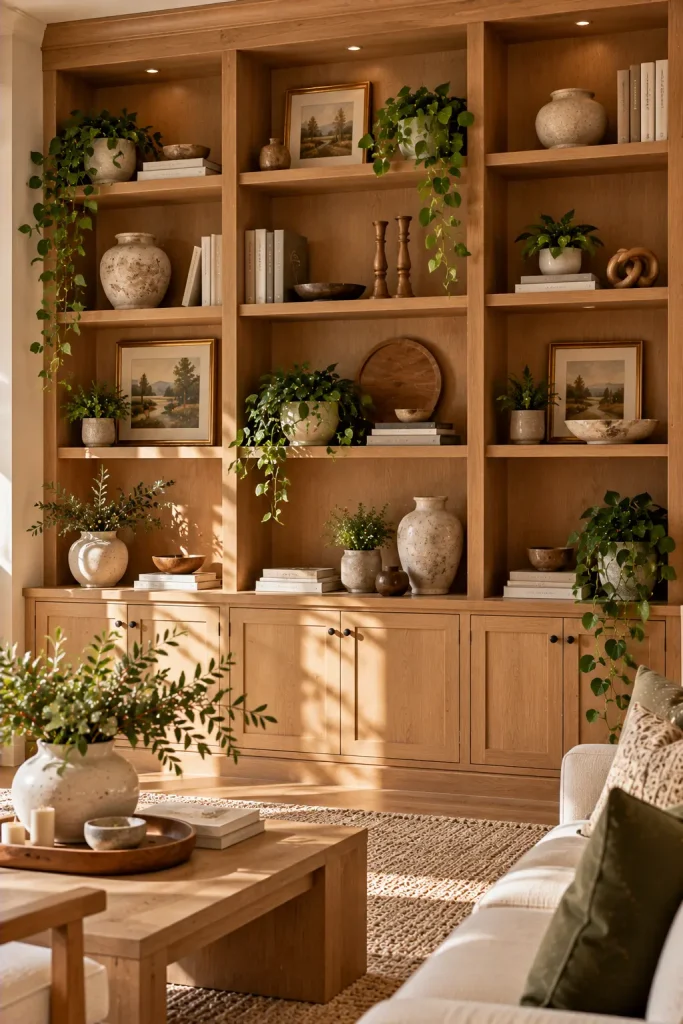
Open shelving looks more sophisticated when there is enough empty space between decorative groups. Start by placing the largest objects first, then fill smaller areas with books, ceramics, greenery, or artwork. Vary the heights so every shelf doesn’t have the same visual rhythm. Leave some sections completely empty because negative space allows the displayed pieces to stand out. Repeat a few colors or materials across the shelves to create a connection between otherwise different objects. Avoid filling every shelf simply because the space is available. Rotate seasonal or less-used objects rather than allowing the display to become permanently crowded. A restrained arrangement will make the shelves feel like part of the architecture instead of a collection of miscellaneous storage.
16. Add an Upholstered Bench to an Awkward Wall
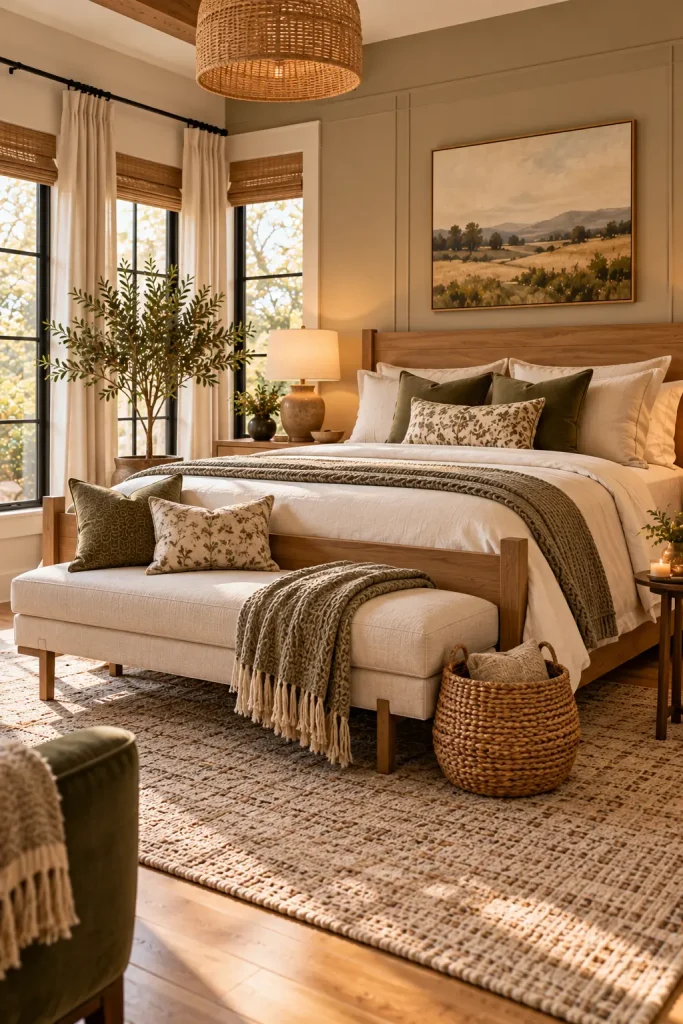
A bench can fill an awkward low wall while providing useful seating at the same time. In an entryway, it creates a comfortable place to sit while putting on shoes. In a bedroom, a bench at the foot of the bed can hold a folded blanket or provide a temporary landing spot for clothing. Choose a bench width that suits the wall without making the furniture arrangement feel cramped. Upholstery adds softness, while a wooden or woven version can create a more casual look. Keep the accessories on the bench limited to a few cushions or one folded textile. If storage is needed, select a bench with baskets or a concealed compartment underneath. This is a practical way to make an awkward section of a room feel purposeful.
17. Bring Warmth Through Layered Textiles
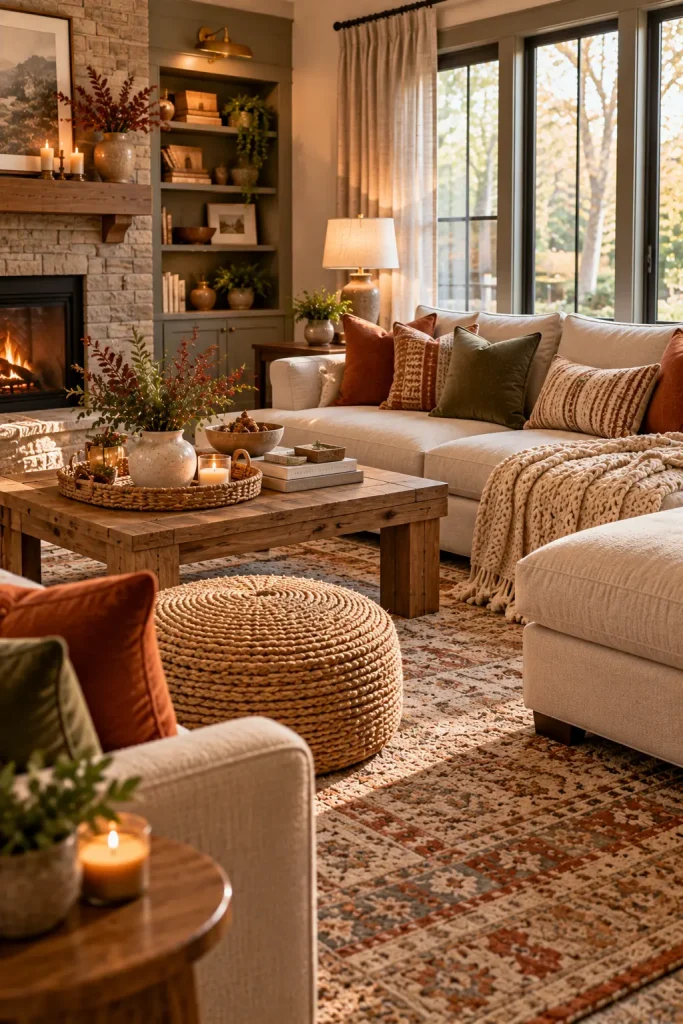
Textiles can change the atmosphere of a room quickly because they introduce softness, color, and tactile variation. Start with the largest surfaces, such as the rug, curtains, or sofa upholstery, before adding smaller cushions and throws. Mix materials rather than using the same fabric everywhere. Linen can provide an airy quality, while wool and boucle add warmth and visual weight. Cotton works well for everyday cushions and lightweight layers. Repeat one or two colors across the textiles so the different materials feel connected. Don’t add layers simply for the sake of fullness; each piece should contribute either comfort, texture, color, or function. A thoughtful combination can make a room feel considerably cozier without requiring new furniture.
18. Replace Small Decor With One Sculptural Object
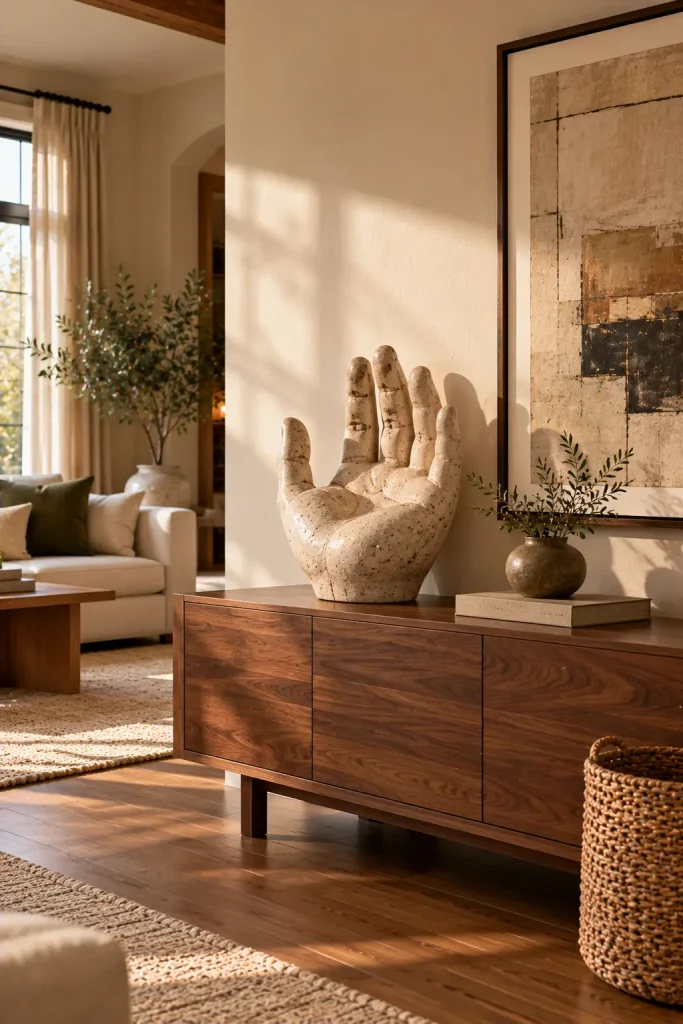
Too many small accessories can make an otherwise attractive room feel visually busy. Instead, remove several smaller pieces and introduce one substantial sculptural object that can hold attention on its own. A large ceramic vessel, carved wooden form, stone bowl, or abstract sculpture can work beautifully on a console or shelf. Give the object enough surrounding space so its silhouette remains easy to see. The material should complement the room rather than simply matching everything else. If the furniture already has strong shapes, choose a sculptural piece with a softer or contrasting form. Keep the surrounding accessories minimal so the focal point remains clear. This approach creates visual interest through scale and shape rather than quantity.
Common Mistake: Choosing one large decorative object and then surrounding it with dozens of smaller accessories.
Better Approach: Let the statement piece breathe and become the main focal point.
19. Use Curtains to Visually Soften Hard Architecture
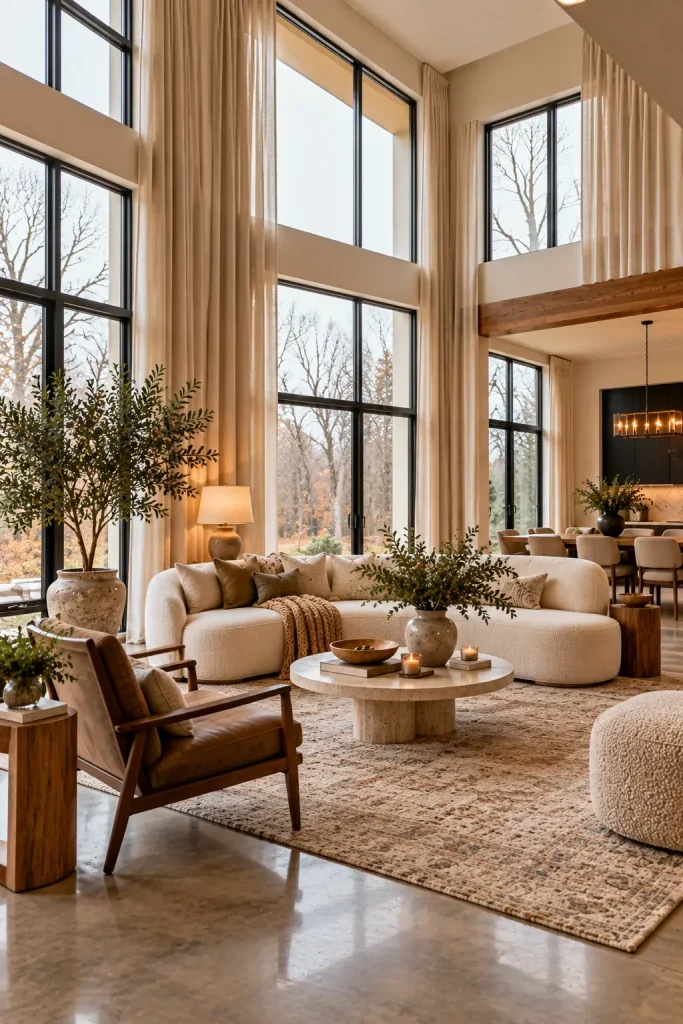
Rooms with large windows, exposed walls, concrete, stone, or extensive wood can sometimes feel visually hard even when the furniture is comfortable. Full-height curtains introduce a soft vertical layer that balances those harder surfaces. Linen and woven fabrics are especially useful when you want texture without excessive decoration. Choose a color close to the walls for a quiet effect or a slightly deeper shade for subtle contrast. Allow the curtains to extend from near the ceiling toward the floor to emphasize height. Keep the folds natural rather than making the fabric look excessively formal. This technique is particularly effective in modern rooms where soft textiles help make architectural materials feel more residential.
20. Create a Relaxed Breakfast Nook
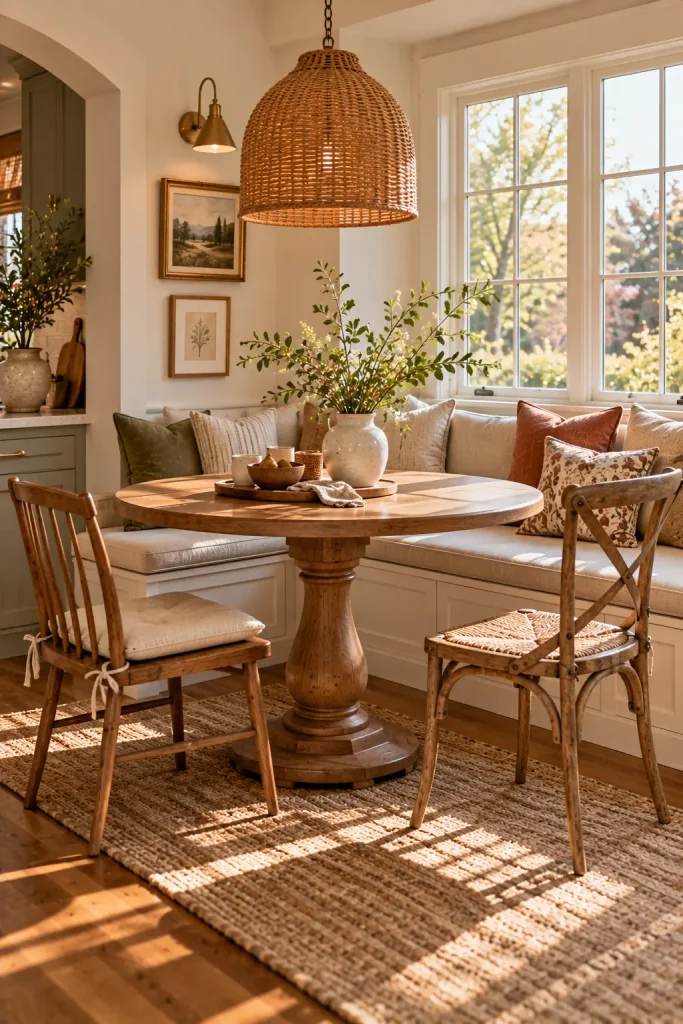
A breakfast nook can turn an unused corner into a dedicated place for casual meals, coffee, homework, or conversation. A round table is especially useful in compact spaces because it eliminates sharp corners and makes movement around the seating easier. A built-in bench can maximize seating along one wall without requiring several chairs. Add cushions in washable fabrics if the area will receive frequent everyday use. A pendant light centered over the table gives the nook a clear visual focal point. Keep the tabletop simple with one vase, bowl, or small centerpiece rather than excessive decoration. A breakfast nook should feel relaxed and practical rather than like a formal dining room squeezed into a corner.
21. Use a Tonal Color Palette for a Calmer Room
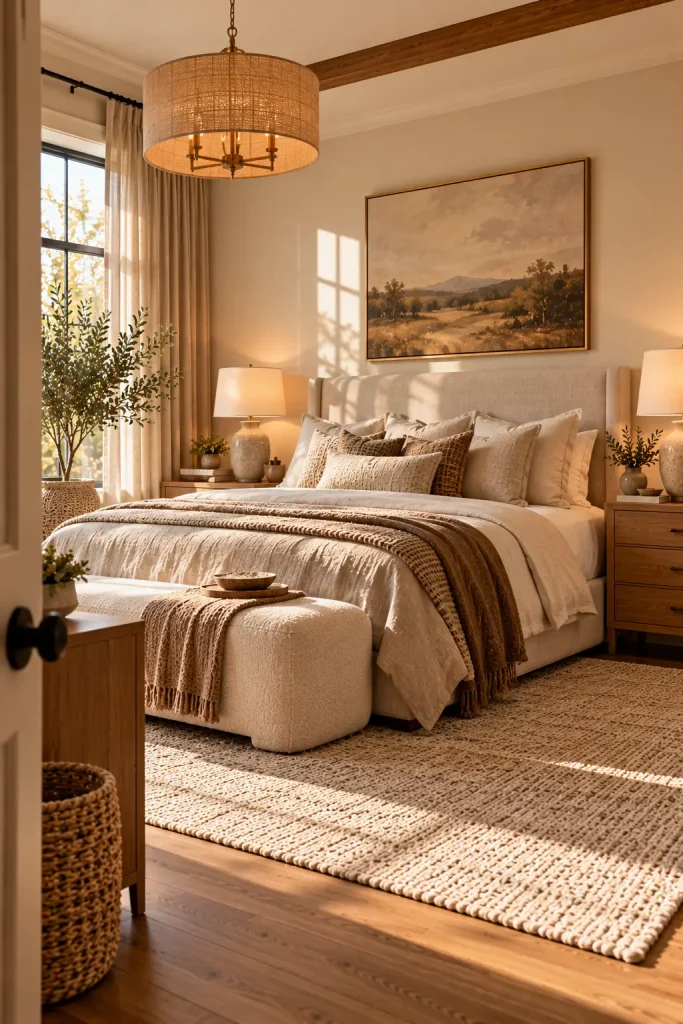
A tonal color scheme can make a room feel calm without becoming completely monochromatic. Choose one general color family and use several lighter and darker variations throughout the space. Cream, sand, taupe, and caramel work well for a warm neutral room, while dusty blue, blue-gray, and navy create a cooler interpretation. Texture becomes especially important because similar colors need different surfaces to keep the room visually interesting. Combine matte walls with woven fabrics, polished wood, soft upholstery, and ceramic accessories. Use darker tones sparingly to give the eye a few points of contrast. The result is a space that feels cohesive without looking flat or overly coordinated.
22. Add Character With a Painted Interior Door
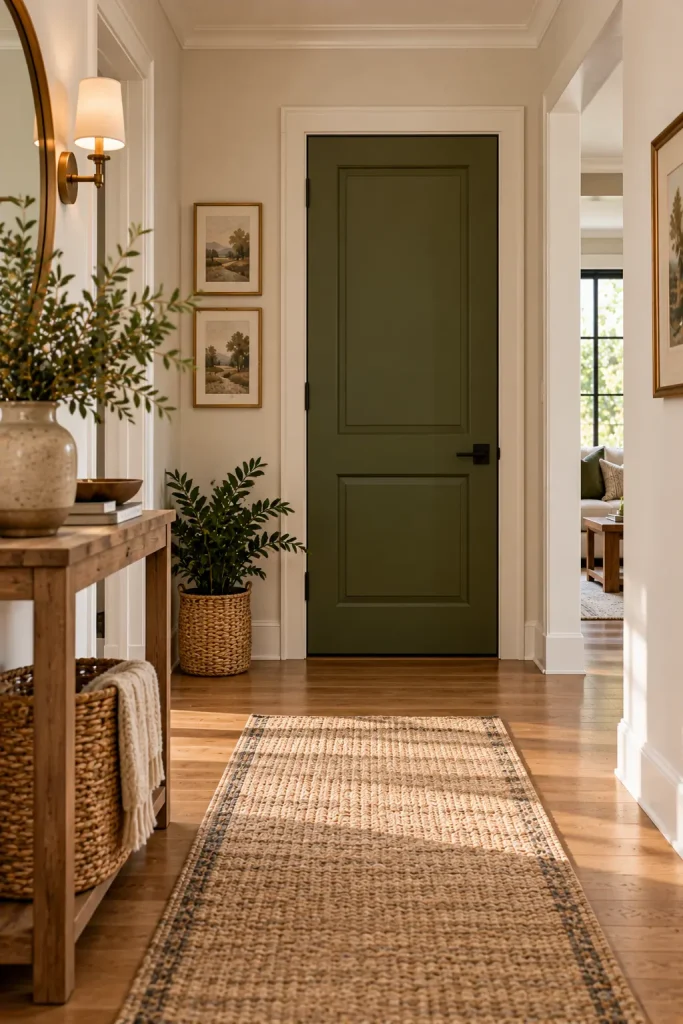
An interior door can become an unexpected opportunity to introduce color without changing an entire room. Deep olive, dusty blue, charcoal, muted brown, or rich burgundy can create a strong focal point. This works particularly well in hallways, offices, powder rooms, and bedrooms where a single saturated surface can make a noticeable difference. Keep the surrounding walls relatively quiet so the door has enough visual space to stand out. You can repeat the door color in a small artwork, cushion, vase, or lamp elsewhere in the room. Use a finish appropriate to the amount of handling the door receives so the surface remains practical. A painted door is a relatively contained decorating project that can give an otherwise ordinary interior much more personality.
23. Make a Small Bathroom Feel More Finished
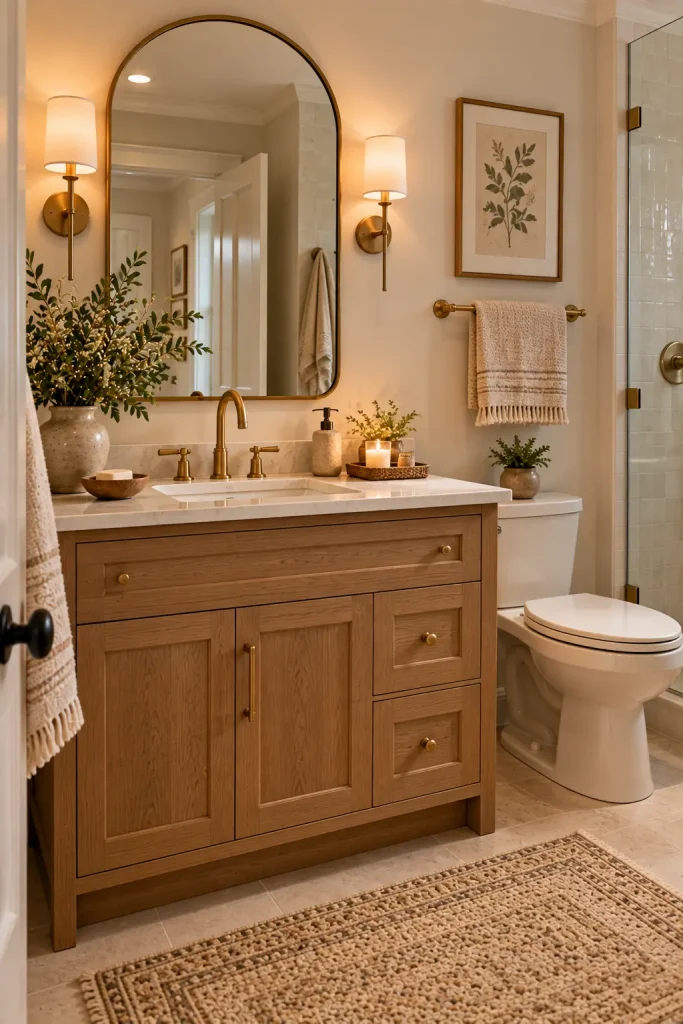
Small bathrooms benefit from thoughtful editing because there is usually limited space for decoration. Start with one strong mirror that suits the scale of the vanity and room. Good lighting around the mirror can make everyday tasks easier while also improving the overall atmosphere. Choose towels in a coordinated palette and fold or hang them neatly to create a cleaner visual appearance. A small ceramic vessel, natural wood accessory, or simple botanical print can add warmth without taking up much space. Avoid placing too many objects around the sink because they can make a compact bathroom feel crowded. Choose accessories that are easy to wipe down and maintain. A restrained combination of texture, lighting, and useful accessories can make even a small bathroom feel considered and comfortable.
24. Create a Cozy Bedroom With a Soft Headboard Wall
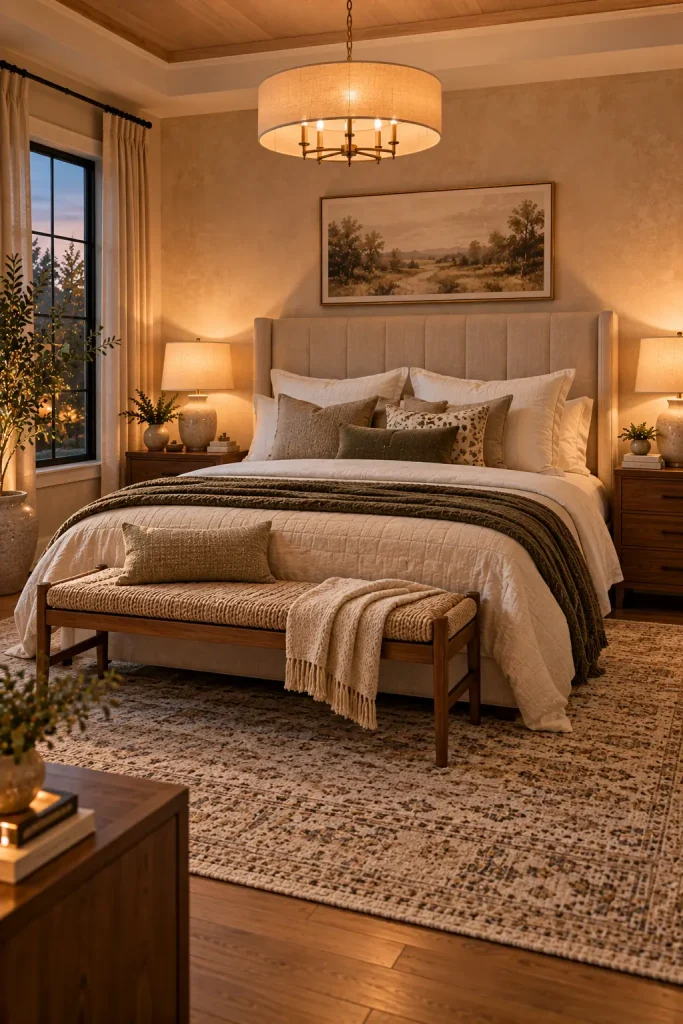
The wall behind the bed naturally becomes one of the strongest visual points in a bedroom. A tall upholstered headboard can make that wall feel substantial without requiring complicated construction. Pair it with soft bedding in several complementary textures to create a comfortable layered appearance. Warm bedside lamps provide low-level lighting that feels more relaxing in the evening. Keep nightstands relatively simple so the bed remains the central focal point. Linen curtains, a soft rug, and a bench can reinforce the cozy atmosphere without making the room feel crowded. Choose colors that are soothing rather than overly high contrast if relaxation is the main goal. A well-layered headboard wall can make the bedroom feel finished while still maintaining a calm, residential character.
25. Finish the Room With a Personal Collection
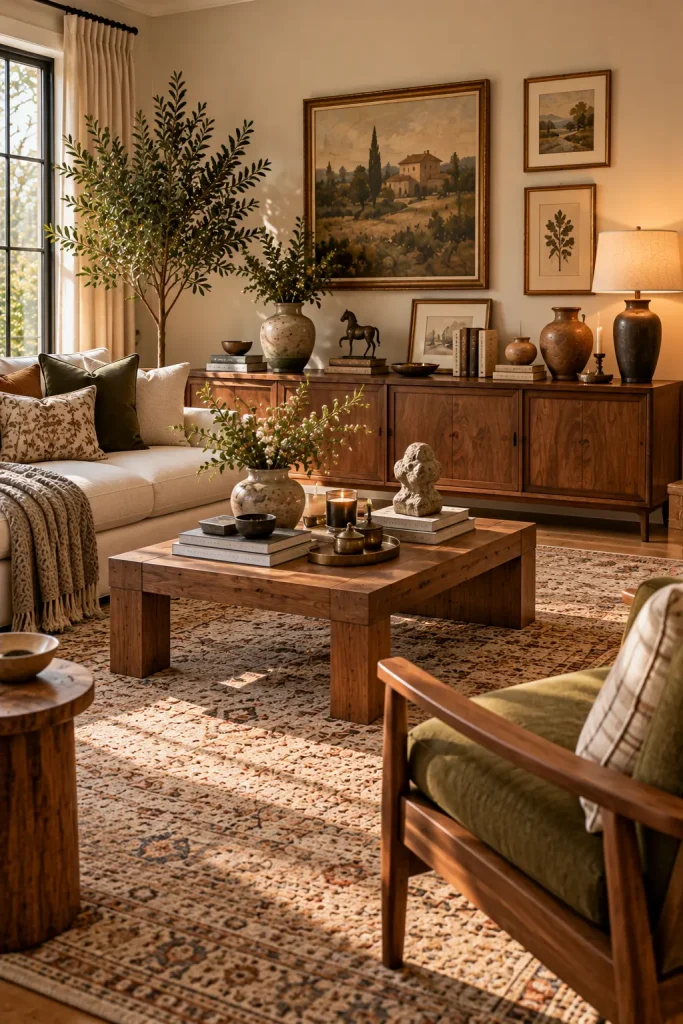
A home becomes more distinctive when it includes objects that have personal meaning rather than only decorative pieces chosen for appearance. Display books, artwork, ceramics, travel finds, family photographs, handmade objects, or items connected to hobbies and interests. Group related pieces together instead of spreading every object across the room. Use a mixture of heights, shapes, and materials so the collection has visual rhythm. Leave empty space around the most meaningful objects so they don’t disappear into clutter. You can combine sentimental pieces with simpler modern accessories to keep the overall display balanced. Rotate objects occasionally if your collection is large and you want the room to feel refreshed. The goal isn’t to make the space look perfectly staged but to let the decor communicate something about the people who live there.